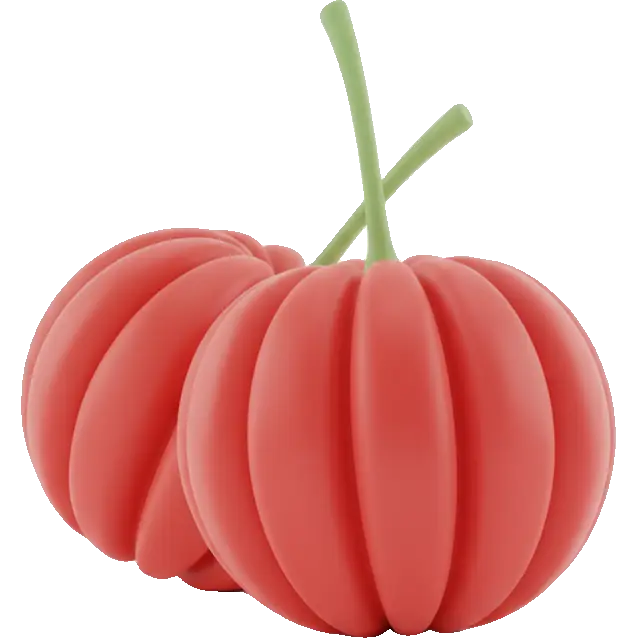
surinam cherry
Fruit
Is surinam cherry inflammation-compatible?
See whether surinam cherry fits an inflammation diet, with a clear compatible-or-avoid verdict plus its FODMAP, histamine and other trigger ratings in one place.
Related checkers
Compare surinam cherry across criteria
Sensitivity notes
Why inflammation diet checker matters
An anti-inflammatory diet focuses on foods that help reduce chronic inflammation in the body. It emphasizes fruits, vegetables, fatty fish, nuts, and whole grains while limiting processed foods, refined sugars, and certain oils.
- Focus on omega-3 rich foods like fatty fish, walnuts, and flaxseed
- Colorful fruits and vegetables provide anti-inflammatory antioxidants
- Extra virgin olive oil is a cornerstone of anti-inflammatory eating
- Limit refined sugars, processed foods, and industrial seed oils
- Turmeric and ginger are powerful anti-inflammatory spices
Sensitivities
What surinam cherry contains
FODMAPs
Histamine & Amines
Plant compounds
Irritants
Additives
Allergens
Diet fit
Where surinam cherry fits
Therapeutic diets
Lifestyle diets
Religious diets
What to know about surinam cherry
Surinam cherry is not a cherry. Eugenia uniflora is a myrtle, sitting in the same family as guava, feijoa, clove and allspice, and the ribbed little fruit it drops has nothing to do with Prunus beyond being red and roughly cherry sized. That family membership is the flavour story as much as the naming one: the fruit is dense with volatile terpenes, which is why an underripe one tastes frankly of turpentine and why even a ripe one strikes some people as resinous or soapy. What comes out of that is a practical ripeness rule rather than an intolerance warning. Eat them fully coloured, deep red through to almost black, and leave the orange ones a few more days on the tree, because the unripe fruit is resinous enough to sit badly on a stomach. Ripe, the graded triggers are quiet: clean for histamine content, tyramine, sulfites, nitrites, free glutamates, gluten, lactose and nightshade, and only mildly elevated for salicylates, oxalate, nickel and histamine liberation.
Watch for
- Ripeness is the whole practical rule with this fruit.Green and orange pitanga are astringent and heavily resinous and are widely reported to cause stomach upset, while a properly ripe one is soft enough to drop into your hand at a touch. The dark-fruited cultivars, sold as black or purple pitanga, are markedly sweeter and less resinous than the ordinary red, and are the ones to seek out if the turpentine note has put you off
- Do not eat the seed.The one or two seeds inside are intensely bitter and resinous, and they carry the strongest concentration of the turpentine character. Spit them out rather than putting whole fruit into a blender, which is the usual way people end up with a resinous smoothie they cannot drink
- Its relatives are guava, feijoa, jaboticaba, clove and allspice, not stone fruit.If Myrtaceae fruits or the clove and allspice spices are already on your avoid list for any reason, file this fruit with them rather than with cherries, because the name is the only thing it shares with a cherry
- Mild histamine liberator grade against clean histamine content.The bigger real-world variable is that pitanga bruises and ferments quickly in the heat where it grows and is rarely refrigerated at a roadside sale. A soft, winey fruit has moved on from what these grades describe
- FODMAP columns are unrated rather than low, so a bowlful is an unmapped portion.The leaves are a separate matter entirely: they are used as a traditional tea and strewn as an insect repellent, and nothing here characterises a leaf infusion






Explore related in Fruit
Compare similar foods to build a personalized list of swaps that work for your system.



Inflammation Guide
Everything you need to know about inflammation compatibility and smart food choices.
An anti-inflammatory diet focuses on foods that help reduce chronic inflammation in the body. It emphasizes fruits, vegetables, fatty fish, nuts, and whole grains while limiting processed foods, refined sugars, and certain oils.
These foods are typically compatible with a Inflammation approach:
View all safe options





Practical guidance for following a Inflammation diet:
- 1Focus on omega-3 rich foods like fatty fish, walnuts, and flaxseed
- 2Colorful fruits and vegetables provide anti-inflammatory antioxidants
- 3Extra virgin olive oil is a cornerstone of anti-inflammatory eating
- 4Limit refined sugars, processed foods, and industrial seed oils
- 5Turmeric and ginger are powerful anti-inflammatory spices
Pro tip: Keep a food diary to track your reactions. The Triggerbites app makes this easy with automatic pattern detection.
Want personalized tracking?
Download Triggerbites to log meals, track symptoms, and discover your unique triggers.
Get the AppFAQ
Does surinam cherry fit an inflammation diet?
Inflammation: fits well for most plans.
What if I eat it occasionally?
Still check preparation and add-ins.
What are safer swaps?
Compare within the Fruit group.