 Back to Inflammation diet checker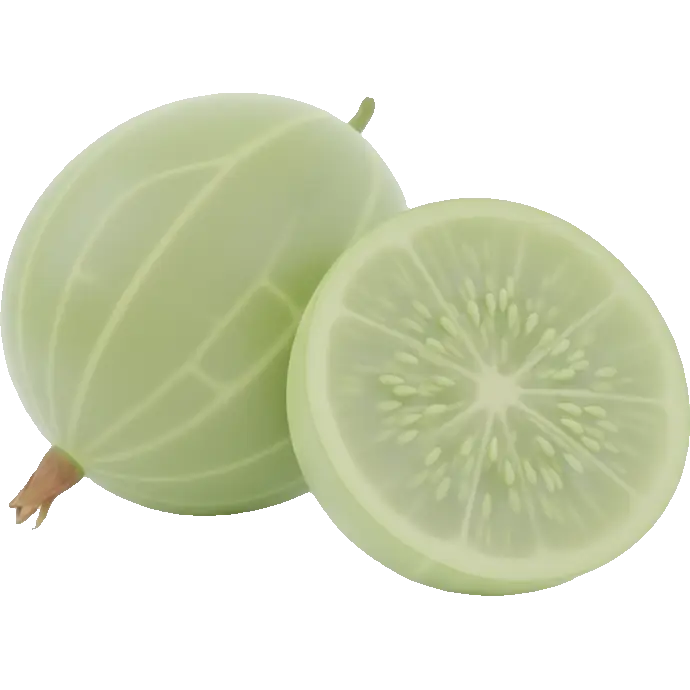
gooseberry
Fruit
Is gooseberry inflammation-compatible?

See whether gooseberry fits an inflammation diet, with a clear compatible-or-avoid verdict plus its FODMAP, histamine and other trigger ratings in one place.

Related checkers
Compare gooseberry across criteria

Sensitivity notes
Why inflammation diet checker matters
An anti-inflammatory diet focuses on foods that help reduce chronic inflammation in the body. It emphasizes fruits, vegetables, fatty fish, nuts, and whole grains while limiting processed foods, refined sugars, and certain oils.
- Focus on omega-3 rich foods like fatty fish, walnuts, and flaxseed
- Colorful fruits and vegetables provide anti-inflammatory antioxidants
- Extra virgin olive oil is a cornerstone of anti-inflammatory eating
- Limit refined sugars, processed foods, and industrial seed oils
- Turmeric and ginger are powerful anti-inflammatory spices

Sensitivities
What gooseberry contains
FODMAPs







Histamine & Amines



Plant compounds




Irritants




Additives



Allergens
















Diet fit
Where gooseberry fits
Therapeutic diets










Lifestyle diets









Religious diets






What to know about gooseberry
Gooseberries are clean on histamine, graded A for both histamine content and histamine liberation, which is unusual for a fruit this sharp. Sourness and histamine are not the same thing, and gooseberry is the proof. The one grade worth planning around is salicylate at C, moderate, concentrated in the skin and higher in the hard green fruit picked early for cooking. On FODMAPs gooseberry is the mildest of the Ribes bushes we cover: it grades B, while red currant and blackcurrant both land at D. Almost nobody eats it raw, so the sugar it is stewed with is part of the trigger picture too.
Watch for
- Salicylate C is the headline.Salicylates sit mainly in the skin, and gooseberries are eaten skin and all, usually as hard green fruit picked deliberately underripe for jam and crumble, which is the stage with the most.
- Gentler than its relatives.Gooseberry, red currant and blackcurrant are all Ribes, but only gooseberry stays at B for total FODMAPs. Red currant grades D for FODMAPs and D for excess fructose, blackcurrant grades D for FODMAPs and D for polyols.
- Mild across the FODMAP subtypes rather than clean: B for excess fructose and B for polyols, so a whole bowl of stewed fruit behaves differently from a spoonful of gooseberry sauce.
- The name is doing a lot of work elsewhere.Cape gooseberry, also sold as goldenberry or physalis, is a nightshade and not related. Indian gooseberry, or amla, and Chinese gooseberry, the old name for kiwi, are also different plants with different trigger profiles. Kiwi in particular grades E for oxalate.
- Gooseberry is so tart it is nearly always cooked with a lot of sugar, poured into a fool with cream, or set into jam.If a gooseberry pudding disagrees with you, work out whether it was the fruit, the sugar or the dairy before writing off the berry.





Explore related in Fruit
Compare similar foods to build a personalized list of swaps that work for your system.


Inflammation Guide
Everything you need to know about inflammation compatibility and smart food choices.
An anti-inflammatory diet focuses on foods that help reduce chronic inflammation in the body. It emphasizes fruits, vegetables, fatty fish, nuts, and whole grains while limiting processed foods, refined sugars, and certain oils.
These foods are typically compatible with a Inflammation approach:
View all safe options






Practical guidance for following a Inflammation diet:
- 1Focus on omega-3 rich foods like fatty fish, walnuts, and flaxseed
- 2Colorful fruits and vegetables provide anti-inflammatory antioxidants
- 3Extra virgin olive oil is a cornerstone of anti-inflammatory eating
- 4Limit refined sugars, processed foods, and industrial seed oils
- 5Turmeric and ginger are powerful anti-inflammatory spices
Pro tip: Keep a food diary to track your reactions. The Triggerbites app makes this easy with automatic pattern detection.
Want personalized tracking?
Download Triggerbites to log meals, track symptoms, and discover your unique triggers.
Get the AppFAQ
Does gooseberry fit an inflammation diet?
Inflammation: mixed fit - check ingredients.
What if I eat it occasionally?
Keep portions small and verify ingredients.
What are safer swaps?
More swaps coming soon.