
cranberry beans
Legumes/Pulses
Is cranberry beans inflammation-compatible?
See whether cranberry beans fits an inflammation diet, with a clear compatible-or-avoid verdict plus its FODMAP, histamine and other trigger ratings in one place.
Related checkers
Compare cranberry beans across criteria
Sensitivity notes
Why inflammation diet checker matters
An anti-inflammatory diet focuses on foods that help reduce chronic inflammation in the body. It emphasizes fruits, vegetables, fatty fish, nuts, and whole grains while limiting processed foods, refined sugars, and certain oils.
- Focus on omega-3 rich foods like fatty fish, walnuts, and flaxseed
- Colorful fruits and vegetables provide anti-inflammatory antioxidants
- Extra virgin olive oil is a cornerstone of anti-inflammatory eating
- Limit refined sugars, processed foods, and industrial seed oils
- Turmeric and ginger are powerful anti-inflammatory spices
Sensitivities
What cranberry beans contains
FODMAPs
Histamine & Amines
Plant compounds
Irritants
Additives
Allergens
Diet fit
Where cranberry beans fits
Therapeutic diets
Lifestyle diets
Religious diets
What to know about cranberry beans
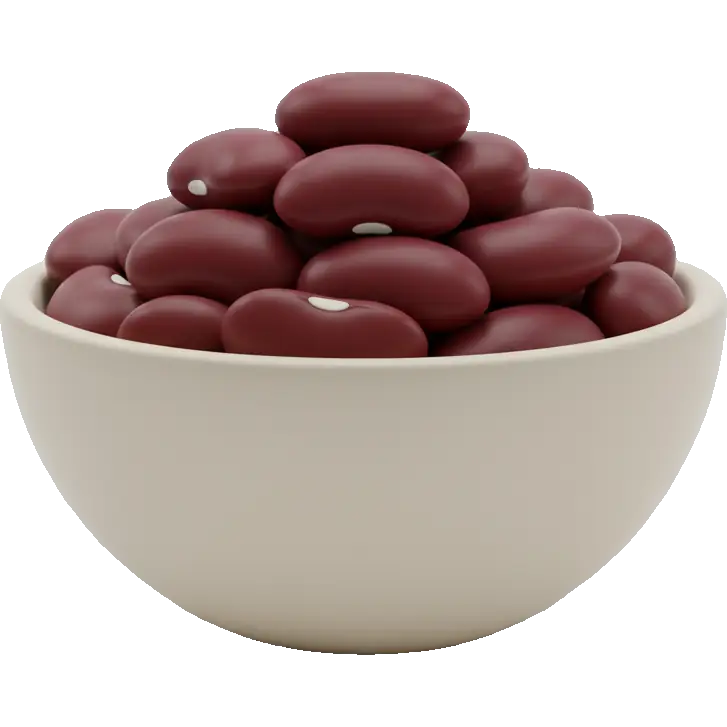
Cranberry beans are the speckled cream and crimson shell bean of New England and mid-Atlantic kitchens, sold fresh in their marbled pods at late-summer markets and dried the rest of the year. The speckling cooks away to a plain rosy tan, and the bean itself turns creamy rather than mealy, which is why it is the traditional choice for succotash alongside corn and for long-simmered bean and greens pots. On triggers it behaves like a textbook pulse in one narrow way and like a very quiet food everywhere else. Galacto-oligosaccharides are graded E and total FODMAPs D, which accounts for essentially all the bloating cranberry beans cause, with lectins at D and SIBO suitability at D. The rest of the card is unusually clean: histamine, histamine liberation, salicylates, oxalate, nickel, sulfites, glutamates, tyramine and gluten are all graded A. If beans trouble you but you also react to oxalate-heavy or nickel-heavy foods, this is a pulse where only one mechanism is ever in play.
Watch for
- Galacto-oligosaccharides graded E, and this is the entire bloating story.No human enzyme can split raffinose or stachyose, so they reach the colon whole and are fermented there into gas.
- Fresh shell beans are not a shortcut.Cranberry beans picked at the shell stage cook in a fraction of the time dried ones need, but the oligosaccharide load comes along with them.
- SIBO suitability graded D.Heavily fermentable beans are usually the first thing pulled during a small intestinal bacterial overgrowth flare, regardless of how small the portion is.
- Lectins graded D.Cranberry beans are Phaseolus vulgaris, the same species as kidney beans, so bring dried ones to a hard rolling boil rather than easing them up slowly. A low unboiled simmer is exactly the condition legume lectins survive.
- Graded C for anti-inflammatory fit and excluded from paleo and AIP.Those are diet-pattern notes rather than chemical triggers, and they say nothing about how a sensitive gut will respond.




Explore related in Legumes/Pulses
Compare similar foods to build a personalized list of swaps that work for your system.

Inflammation Guide
Everything you need to know about inflammation compatibility and smart food choices.
An anti-inflammatory diet focuses on foods that help reduce chronic inflammation in the body. It emphasizes fruits, vegetables, fatty fish, nuts, and whole grains while limiting processed foods, refined sugars, and certain oils.
These foods are typically compatible with a Inflammation approach:
View all safe options







Practical guidance for following a Inflammation diet:
- 1Focus on omega-3 rich foods like fatty fish, walnuts, and flaxseed
- 2Colorful fruits and vegetables provide anti-inflammatory antioxidants
- 3Extra virgin olive oil is a cornerstone of anti-inflammatory eating
- 4Limit refined sugars, processed foods, and industrial seed oils
- 5Turmeric and ginger are powerful anti-inflammatory spices
Pro tip: Keep a food diary to track your reactions. The Triggerbites app makes this easy with automatic pattern detection.
Want personalized tracking?
Download Triggerbites to log meals, track symptoms, and discover your unique triggers.
Get the AppFAQ
Does cranberry beans fit an inflammation diet?
Inflammation: mixed fit - check ingredients.
What if I eat it occasionally?
Keep portions small and verify ingredients.
What are safer swaps?
Compare within the Legumes/Pulses group.