 Back to Whole30 diet checker
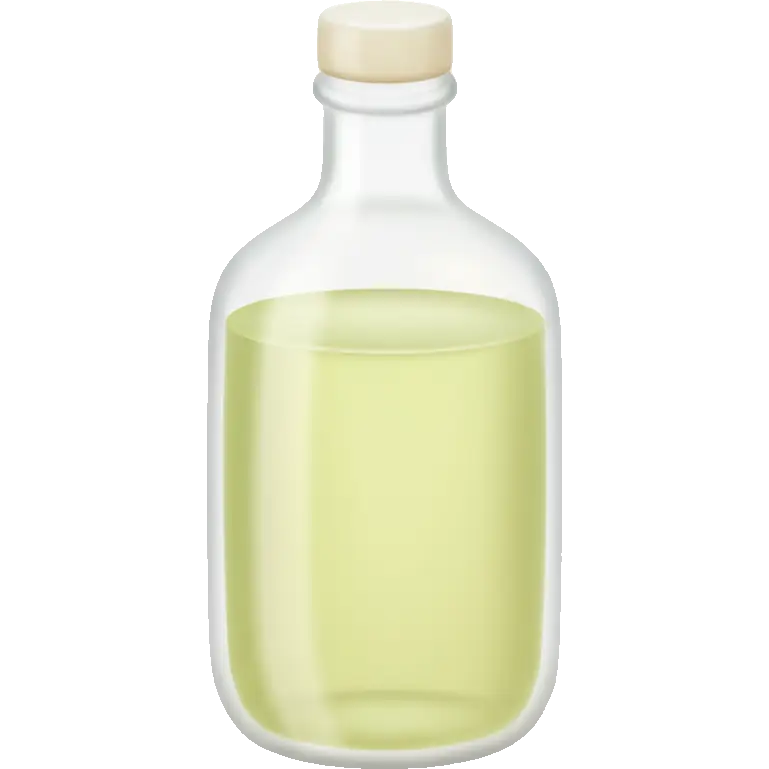
grapeseed oil
Oils & Fats
Is grapeseed oil whole30-compatible?

See whether grapeseed oil fits a whole30 diet, with a clear compatible-or-avoid verdict plus its FODMAP, histamine and other trigger ratings in one place.

Related checkers
Compare grapeseed oil across criteria

Sensitivity notes
Why whole30 diet checker matters
Whole30 affects how your body responds to certain foods. Understanding your personal tolerance helps you make informed choices.
- Keep a detailed food and symptom diary to track your personal reactions
- Eliminate the suspected trigger completely for 2-4 weeks
- Reintroduce gradually to find your personal tolerance threshold
- Work with a healthcare provider or registered dietitian for guidance
- Remember that food sensitivities can change over time

Sensitivities
What grapeseed oil contains
FODMAPs







Histamine & Amines



Plant compounds




Irritants




Additives



Allergens
















Diet fit
Where grapeseed oil fits
Therapeutic diets










Lifestyle diets









Religious diets






What to know about grapeseed oil
Grapeseed oil is pressed from the seeds left over from winemaking, and that origin is why people managing histamine intolerance or sulfite sensitivity often assume it comes with the same baggage as a glass of red. It does not. The oil is pressed from the seed and refined, leaving behind the fermentation products and the added preservatives, and it grades clean on histamine, histamine liberation, sulfites, tyramine, salicylates, FODMAPs, lactose, nickel and gluten. The real caveat is a different one entirely. Grapeseed oil is roughly 70 percent linoleic acid, making it one of the most omega-6-dominant fats in a normal kitchen, which is why it grades moderate rather than clean on the anti-inflammatory scale. It also sits awkwardly with its own marketing: it is sold as a high-heat oil, and polyunsaturated fat is the least heat-stable kind there is.
Watch for
- Moderate rather than clean on the anti-inflammatory scale, reflecting how heavily it skews toward omega-6 linoleic acid compared with olive or avocado oil
- Marketed on its smoke point, but smoke point is not the same as oxidative stability, and polyunsaturated oils degrade faster under repeated or prolonged heat than monounsaturated ones
- Clean on histamine and sulfites despite the winemaking origin, so it is a reasonable cooking fat on a low-histamine protocol
- Commonly extracted with solvents rather than pressed, since the seed yields little oil mechanically.Expeller-pressed or cold-pressed on the label tells you which you have bought
- Not paleo or AIP compliant, and only a moderate fit for DASH and Mediterranean patterns, both of which centre olive oil instead
Explore related in Oils & Fats
Compare similar foods to build a personalized list of swaps that work for your system.

Whole30 Guide
Everything you need to know about whole30 compatibility and smart food choices.
Whole30 affects how your body responds to certain foods. Understanding your personal tolerance helps you make informed choices.
These foods are typically compatible with a Whole30 approach:
View all safe options






Practical guidance for following a Whole30 diet:
- 1Keep a detailed food and symptom diary to track your personal reactions
- 2Eliminate the suspected trigger completely for 2-4 weeks
- 3Reintroduce gradually to find your personal tolerance threshold
- 4Work with a healthcare provider or registered dietitian for guidance
- 5Remember that food sensitivities can change over time
Pro tip: Keep a food diary to track your reactions. The Triggerbites app makes this easy with automatic pattern detection.
Want personalized tracking?
Download Triggerbites to log meals, track symptoms, and discover your unique triggers.
Get the AppFAQ
Does grapeseed oil fit a whole30 diet?
Whole30: mixed fit - check ingredients.
What if I eat it occasionally?
Keep portions small and verify ingredients.
What are safer swaps?
Compare within the Oils & Fats group.