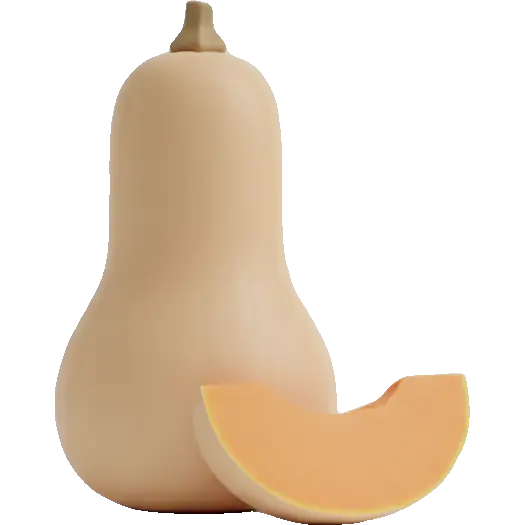
butternut squash
Vegetables
Is butternut squash vegetarian-compatible?
See whether butternut squash fits a vegetarian diet, with a clear compatible-or-avoid verdict plus its FODMAP, histamine and other trigger ratings in one place.
Related checkers
Compare butternut squash across criteria
Sensitivity notes
Why vegetarian diet checker matters
A vegetarian diet excludes meat and fish but may include dairy products and eggs. It focuses on plant foods with optional animal-derived products like milk, cheese, and eggs.
- Eggs and dairy can help meet protein needs
- Include a variety of plant proteins for balanced nutrition
- Iron-rich foods pair well with vitamin C
- Don't rely too heavily on cheese as a protein source
- B12 is still important if limiting animal products
Sensitivities
What butternut squash contains
FODMAPs
Histamine & Amines
Plant compounds
Irritants
Additives
Allergens
Diet fit
Where butternut squash fits
Therapeutic diets
Lifestyle diets
Religious diets
What to know about butternut squash
Butternut squash is a sweet, gentle winter squash that most people assume is easy on the gut, but it is high FODMAP by the cupful because of the sugar alcohol mannitol. A small side of a third of a cup is usually fine, while a big roasted bowlful can tip a sensitive gut into bloating and loose stools. It is otherwise a clean, strongly anti-inflammatory vegetable with no nightshade or histamine concerns.
Watch for
- High FODMAP once the serving grows: the polyol mannitol builds up past roughly a third of a cup and can cause bloating, wind or loose stools
- Portion is everything here, so a small side is low FODMAP while a full roasted bowl is not, unlike a food that triggers at any dose
- High in lectins when raw, though thorough cooking, which squash always gets, brings that right down


Explore related in Vegetables
Compare similar foods to build a personalized list of swaps that work for your system.



Vegetarian Guide
Everything you need to know about vegetarian compatibility and smart food choices.
A vegetarian diet excludes meat and fish but may include dairy products and eggs. It focuses on plant foods with optional animal-derived products like milk, cheese, and eggs.
These foods are typically compatible with a Vegetarian approach:
View all safe options






Practical guidance for following a Vegetarian diet:
- 1Eggs and dairy can help meet protein needs
- 2Include a variety of plant proteins for balanced nutrition
- 3Iron-rich foods pair well with vitamin C
- 4Don't rely too heavily on cheese as a protein source
- 5B12 is still important if limiting animal products
Pro tip: Keep a food diary to track your reactions. The Triggerbites app makes this easy with automatic pattern detection.
Want personalized tracking?
Download Triggerbites to log meals, track symptoms, and discover your unique triggers.
Get the AppFAQ
Does butternut squash fit a vegetarian diet?
Vegetarian: fits well for most plans.
What if I eat it occasionally?
Still check preparation and add-ins.
What are safer swaps?
Compare within the Vegetables group.