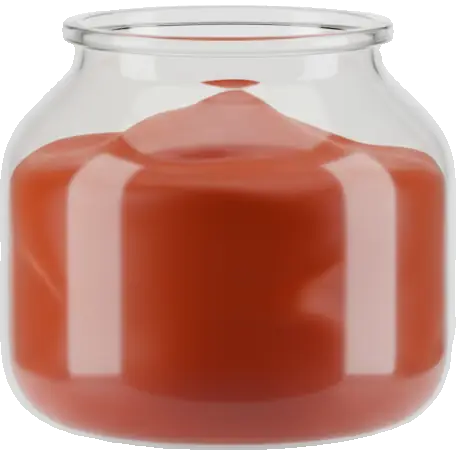
palm oil
Oils & Fats
Is palm oil vegan-compatible?
See whether palm oil fits a vegan diet, with a clear compatible-or-avoid verdict plus its FODMAP, histamine and other trigger ratings in one place.
Related checkers
Compare palm oil across criteria
Sensitivity notes
Why vegan diet checker matters
A vegan diet excludes all animal products including meat, dairy, eggs, and honey. It focuses on plant-based foods like vegetables, fruits, grains, legumes, nuts, and seeds.
- Ensure adequate protein from varied plant sources
- Supplement B12 - it's essential and not available from plants
- Consider omega-3 from algae-based supplements
- Iron from plants requires vitamin C for better absorption
- Plan meals to ensure complete amino acid profiles
Sensitivities
What palm oil contains
FODMAPs
Histamine & Amines
Plant compounds
Irritants
Additives
Allergens
Diet fit
Where palm oil fits
Therapeutic diets
Lifestyle diets
Religious diets
What to know about palm oil
Palm oil is the most-produced vegetable oil in the world, pressed from the orange flesh of the oil palm fruit, and on food-chemistry triggers it is one of the cleanest things you can eat: graded A for histamine, histamine liberation, salicylates, oxalate, nickel, sulfites, glutamates, gluten and every FODMAP group. A pure refined fat carries essentially no protein and no fermentable carbohydrate, so if you are asking whether palm oil is low FODMAP or safe for histamine intolerance, the answer is yes on both. Its two real stories are elsewhere: about half its fat is saturated, which is why it grades D on an anti-inflammatory pattern and only C for DASH and Mediterranean, and it hides under a long list of label names, so it is easy to eat daily without ever seeing the words on a packet.
Watch for
- It is semi-solid at room temperature without hydrogenation, which is exactly why it replaced partially hydrogenated oils after the trans fat rules.That put it into the biscuits, spreads, instant noodles, non-dairy creamers and pastry you may already be reacting to, usually alongside wheat, dairy or additives that are the more likely culprit
- Rarely labelled plainly.Look for palm olein, palm stearin, palm fat, palm fruit oil, palmitate, glyceryl stearate, sodium palmate and the catch-all "vegetable oil" or "vegetable fat". If you are logging fats in a diary, this is the one that goes unrecorded
- Graded D on the anti-inflammatory scale, driven by roughly half its fat being saturated and mostly palmitic acid.That is a dietary-pattern note, not a sensitivity trigger, but it is the honest reason it scores C for DASH and Mediterranean
- Refining strips out the protein, so palm allergy is essentially unheard of, and the oil is A for dairy proteins and gluten.Unrefined red palm oil keeps the carotenoids that give it its colour and a much stronger flavour
- The dominant public conversation is deforestation, not digestion.RSPO certification (segregated or identity-preserved on the pack, rather than the weaker mass-balance claim) is the practical hook if that is what you are shopping for
Explore related in Oils & Fats
Compare similar foods to build a personalized list of swaps that work for your system.

Vegan Guide
Everything you need to know about vegan compatibility and smart food choices.
A vegan diet excludes all animal products including meat, dairy, eggs, and honey. It focuses on plant-based foods like vegetables, fruits, grains, legumes, nuts, and seeds.
These foods are typically compatible with a Vegan approach:
View all safe options







Practical guidance for following a Vegan diet:
- 1Ensure adequate protein from varied plant sources
- 2Supplement B12 - it's essential and not available from plants
- 3Consider omega-3 from algae-based supplements
- 4Iron from plants requires vitamin C for better absorption
- 5Plan meals to ensure complete amino acid profiles
Pro tip: Keep a food diary to track your reactions. The Triggerbites app makes this easy with automatic pattern detection.
Want personalized tracking?
Download Triggerbites to log meals, track symptoms, and discover your unique triggers.
Get the AppFAQ
Does palm oil fit a vegan diet?
Vegan: fits well for most plans.
What if I eat it occasionally?
Still check preparation and add-ins.
What are safer swaps?
Compare within the Oils & Fats group.