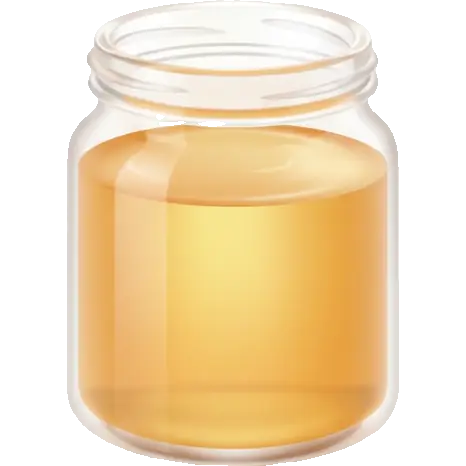
agave nectar
Sweeteners
Is agave nectar vegan-compatible?
See whether agave nectar fits a vegan diet, with a clear compatible-or-avoid verdict plus its FODMAP, histamine and other trigger ratings in one place.
Related checkers
Compare agave nectar across criteria
Sensitivity notes
Why vegan diet checker matters
A vegan diet excludes all animal products including meat, dairy, eggs, and honey. It focuses on plant-based foods like vegetables, fruits, grains, legumes, nuts, and seeds.
- Ensure adequate protein from varied plant sources
- Supplement B12 - it's essential and not available from plants
- Consider omega-3 from algae-based supplements
- Iron from plants requires vitamin C for better absorption
- Plan meals to ensure complete amino acid profiles
Sensitivities
What agave nectar contains
FODMAPs
Histamine & Amines
Plant compounds
Irritants
Additives
Allergens
Diet fit
Where agave nectar fits
Therapeutic diets
Lifestyle diets
Religious diets
What to know about agave nectar
Agave nectar is marketed as a healthy low-GI sweetener, but it is one of the most concentrated sources of excess fructose you can buy, often 70 to 90 percent fructose. That is exactly what people with fructose malabsorption cannot absorb, so agave is a common hidden trigger for bloating, gas and loose stools even though it barely moves blood sugar.
Watch for
- Very high in excess fructose, the single FODMAP behind fructose malabsorption, so a small drizzle can cause bloating, wind and diarrhoea
- The low glycaemic index that makes it look healthy comes from the same free fructose that upsets a sensitive gut, so the health halo is misleading
- A poor choice for SIBO and generally pro-inflammatory as an added sugar, despite the natural label


Explore related in Sweeteners
Compare similar foods to build a personalized list of swaps that work for your system.



Vegan Guide
Everything you need to know about vegan compatibility and smart food choices.
A vegan diet excludes all animal products including meat, dairy, eggs, and honey. It focuses on plant-based foods like vegetables, fruits, grains, legumes, nuts, and seeds.
These foods are typically compatible with a Vegan approach:
View all safe options







Practical guidance for following a Vegan diet:
- 1Ensure adequate protein from varied plant sources
- 2Supplement B12 - it's essential and not available from plants
- 3Consider omega-3 from algae-based supplements
- 4Iron from plants requires vitamin C for better absorption
- 5Plan meals to ensure complete amino acid profiles
Pro tip: Keep a food diary to track your reactions. The Triggerbites app makes this easy with automatic pattern detection.
Want personalized tracking?
Download Triggerbites to log meals, track symptoms, and discover your unique triggers.
Get the AppFAQ
Does agave nectar fit a vegan diet?
Vegan: fits well for most plans.
What if I eat it occasionally?
Still check preparation and add-ins.
What are safer swaps?
Compare within the Sweeteners group.