 Back to Polyols food checker
whiskey
Beverages
Is whiskey high in polyols?
Is whiskey high or low in polyols? See its exact rating, how much counts as a portion, and its FODMAP, salicylate, oxalate and diet compatibility in one place.

Related checkers
Compare whiskey across criteria

Sensitivity notes
Why polyols food checker matters
Polyols (sugar alcohols) are found naturally in some fruits and vegetables, and are used as artificial sweeteners. They're poorly absorbed and can cause digestive symptoms, especially in IBS sufferers.
- Avoid sugar-free products with sorbitol, mannitol, xylitol, maltitol
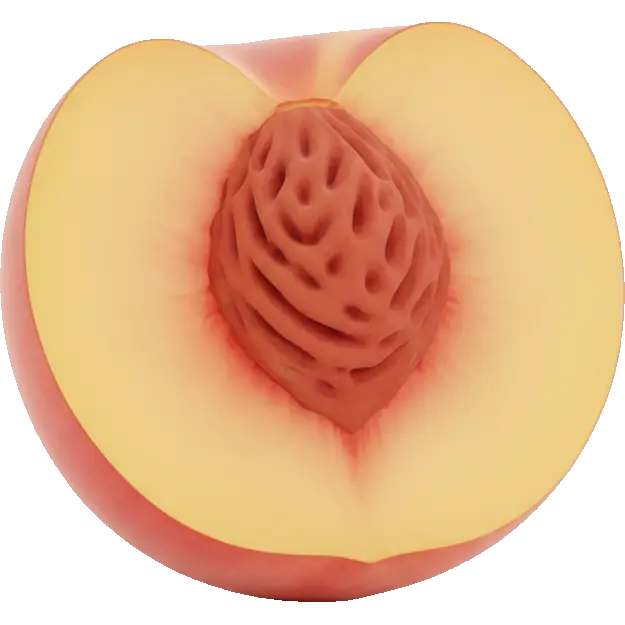
- Stone fruits are naturally high in polyols
- Cooking doesn't reduce polyol content
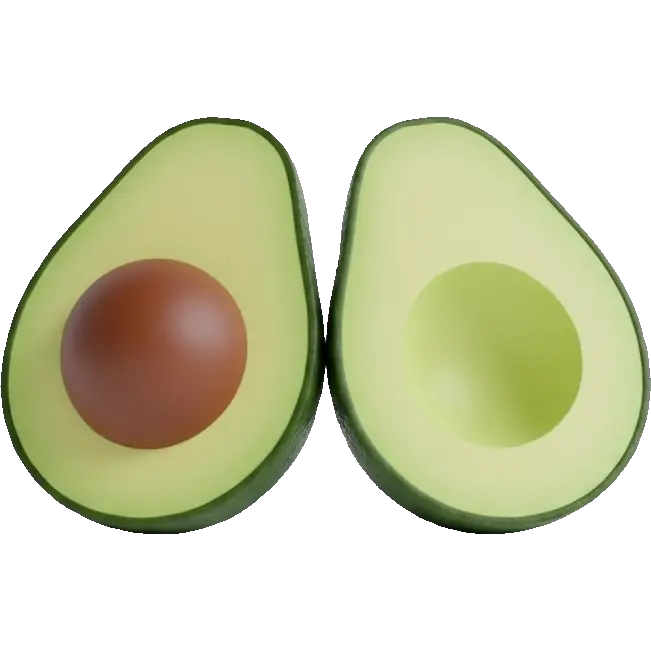
- Avocado portion size matters - small amounts may be fine
- Cauliflower and mushrooms are common triggers

Sensitivities
What whiskey contains
FODMAPs







Histamine & Amines



Plant compounds




Irritants




Additives



Allergens
















Diet fit
Where whiskey fits
Therapeutic diets










Lifestyle diets









Religious diets






What to know about whiskey
Whiskey is the umbrella for a whole family of grain spirits aged in oak: bourbon from a corn-heavy mash, rye, Irish pot still, Canadian, Japanese and Scotch from malted barley. Whatever the grain, the finished spirit grades A for gluten and A across fructans, lactose and every other FODMAP column, because both the sugars and the cereal protein are left behind in the still. What ageing adds instead is congeners, the methanol, acetaldehyde, fusel alcohols, tannins and oak phenols that give whiskey its colour and its character. Congener load is the clearest thing that separates whiskey from a neutral spirit in the data: controlled comparisons of matched doses have repeatedly found the darker, congener-rich drink produces the worse hangover. Whiskey grades B for histamine and B for tyramine, low to moderate rather than clean, and A for sulfites, which is the one big advantage it holds over wine.
Watch for
- Congeners scale with colour and cask time.Bourbon has been measured at dozens of times the congener content of vodka, and when researchers matched the alcohol dose the bourbon group reported markedly worse next-day symptoms. Blended and lightly aged whiskeys sit lower than heavily aged or sherry-cask bottlings
- Histamine and tyramine both grade B.Neither is high, but a barrel-aged spirit is not the blank slate a filtered neutral spirit is, and alcohol amplifies whatever amines are already in circulation
- Sulfites grade A.Unlike wine, whiskey is not sulfited, so if red wine reliably gives you a flushed face or a wheeze and whiskey does not, sulfites are a reasonable thing to suspect
- Gluten grades A but liqueurs do not follow the same rule.Cream liqueurs, honey and spiced whiskey liqueurs and pre-mixed cans have dairy, sugar and flavourings added back after distillation, and those additions are not covered by the distillation argument
- Poor for SIBO (grade E), and a spirit taken neat delivers a high concentration of ethanol to an already irritable gut





Explore related in Beverages
Compare similar foods to build a personalized list of swaps that work for your system.

Polyols Guide
Everything you need to know about polyols sensitivity and smart food choices.
Polyols (sugar alcohols) are found naturally in some fruits and vegetables, and are used as artificial sweeteners. They're poorly absorbed and can cause digestive symptoms, especially in IBS sufferers.
Sensitivity varies widely. What triggers one person may be fine for another. Track your reactions to find your personal threshold.

These foods are generally well-tolerated for Polyols sensitivity:
View all safe options






These foods have moderate levels and may be tolerated in small amounts:




These foods are high in polyols and may trigger symptoms:
View full list

If you're sensitive to Polyols, consider these strategies:
- 1Avoid sugar-free products with sorbitol, mannitol, xylitol, maltitol
- 2Stone fruits are naturally high in polyols
- 3Cooking doesn't reduce polyol content
- 4Avocado portion size matters - small amounts may be fine
- 5Cauliflower and mushrooms are common triggers
Pro tip: Keep a food diary to track your reactions. The Triggerbites app makes this easy with automatic pattern detection.
Want personalized tracking?
Download Triggerbites to log meals, track symptoms, and discover your unique triggers.
Get the AppFAQ
Is whiskey high in Polyols?
Polyols: low signal for most people.
Can I still eat whiskey if I'm sensitive to Polyols?
Usually fine in normal portions.
What else should I check?
Check Alcohol, AIP, and Reflux Diet next for a fuller picture.