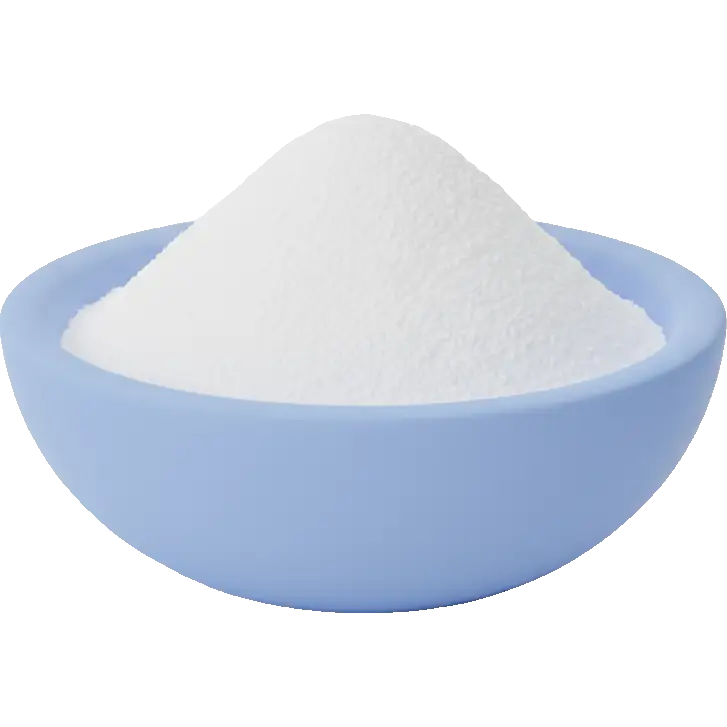
trehalose
Additives & Leavening
Is trehalose high in polyols?
Is trehalose high or low in polyols? See its exact rating, how much counts as a portion, and its FODMAP, salicylate, oxalate and diet compatibility in one place.
Related checkers
Compare trehalose across criteria
Sensitivity notes
Why polyols food checker matters
Polyols (sugar alcohols) are found naturally in some fruits and vegetables, and are used as artificial sweeteners. They're poorly absorbed and can cause digestive symptoms, especially in IBS sufferers.
- Avoid sugar-free products with sorbitol, mannitol, xylitol, maltitol
- Stone fruits are naturally high in polyols
- Cooking doesn't reduce polyol content
- Avocado portion size matters - small amounts may be fine
- Cauliflower and mushrooms are common triggers
Sensitivities
What trehalose contains
FODMAPs
Histamine & Amines
Plant compounds
Irritants
Additives
Allergens
Diet fit
Where trehalose fits
Therapeutic diets
Lifestyle diets
Religious diets
What to know about trehalose
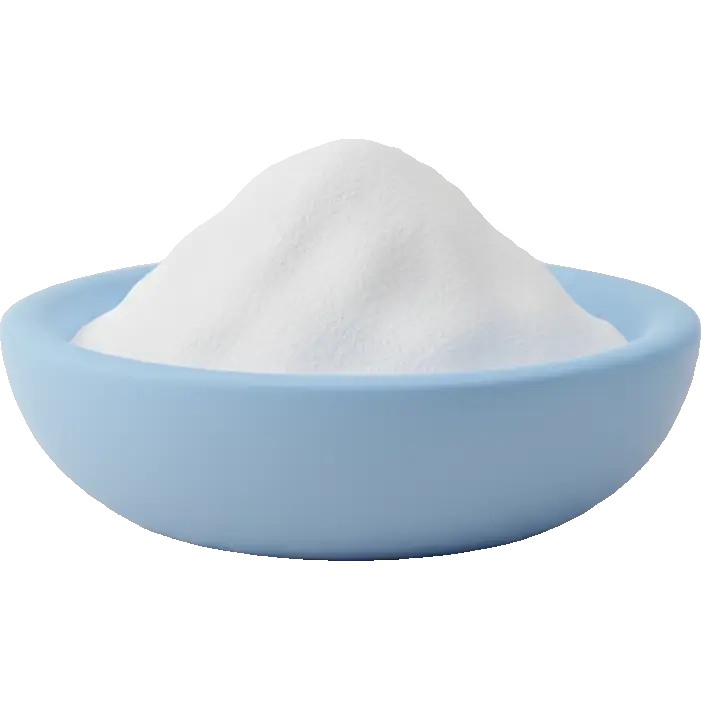
Trehalose is a disaccharide made of two glucose units joined by an unusual bond, and it occurs naturally in mushrooms, yeast, honey and shellfish. Industrially it became cheap in the mid 1990s and is now used to stabilise texture in frozen and dried foods, since it protects cell structure remarkably well. Digesting it requires one specific enzyme, trehalase, in the small intestine brush border. Most people have plenty. Some populations do not, and that deficiency is the mechanism behind the only well established intolerance to it.
Watch for
- Trehalase deficiency is a real and inherited enzyme deficiency, notably common in Greenlandic Inuit populations where prevalence estimates run to around ten to fifteen per cent.Without the enzyme, trehalose behaves like any unabsorbed sugar: it ferments and draws water, producing bloating, wind and diarrhoea after mushrooms or trehalose containing foods.
- Graded moderate on FODMAPs and SIBO fermentation, which is the sensible default given that the unabsorbed fraction ferments in anyone whose trehalase activity is low.
- The Clostridioides difficile question is genuinely contested and should not be repeated as settled.A 2018 Nature paper proposed that the spread of dietary trehalose helped hypervirulent C. difficile ribotypes become dominant. Subsequent work challenged both the dose assumptions and the epidemiological timing, and the hypothesis is not accepted as established.
- It is roughly forty five per cent as sweet as sucrose, so it is used for texture and stability rather than for sweetness, and often appears alongside other sweeteners rather than instead of them.
- Mushrooms are the main natural dietary source, which is worth knowing if you react to mushrooms and have assumed it was the mannitol.
Explore related in Additives & Leavening
Compare similar foods to build a personalized list of swaps that work for your system.

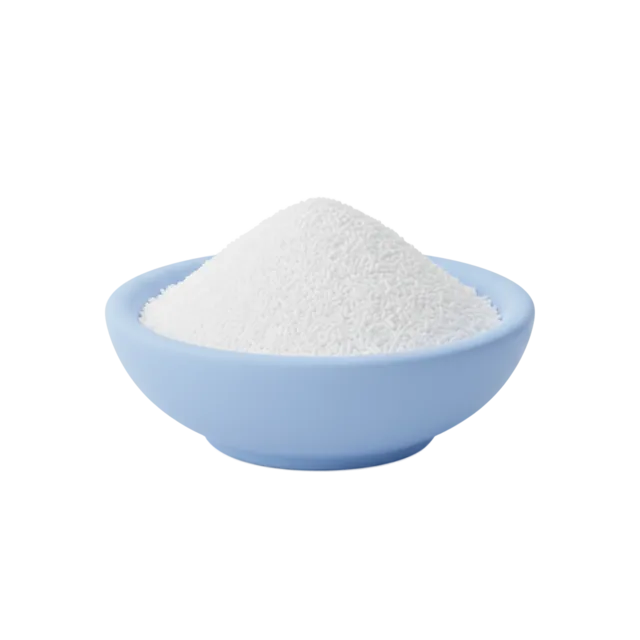
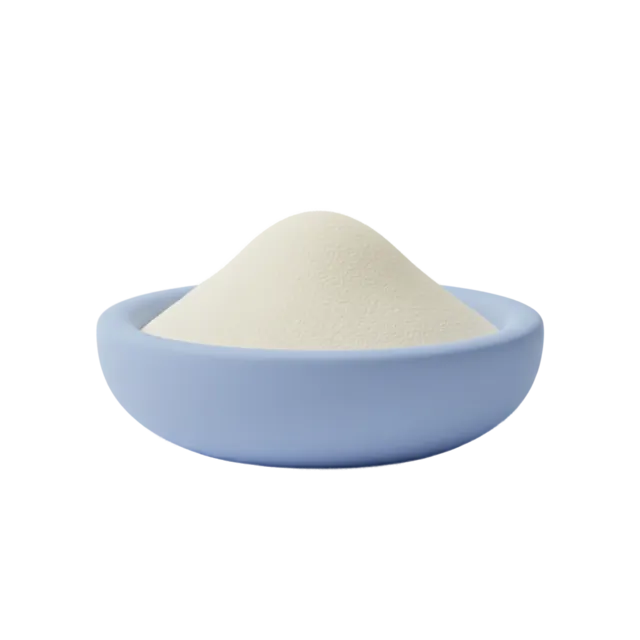
Polyols Guide
Everything you need to know about polyols sensitivity and smart food choices.
Polyols (sugar alcohols) are found naturally in some fruits and vegetables, and are used as artificial sweeteners. They're poorly absorbed and can cause digestive symptoms, especially in IBS sufferers.
Sensitivity varies widely. What triggers one person may be fine for another. Track your reactions to find your personal threshold.
These foods are generally well-tolerated for Polyols sensitivity:
View all safe options







These foods have moderate levels and may be tolerated in small amounts:





These foods are high in polyols and may trigger symptoms:
View full list

If you're sensitive to Polyols, consider these strategies:
- 1Avoid sugar-free products with sorbitol, mannitol, xylitol, maltitol
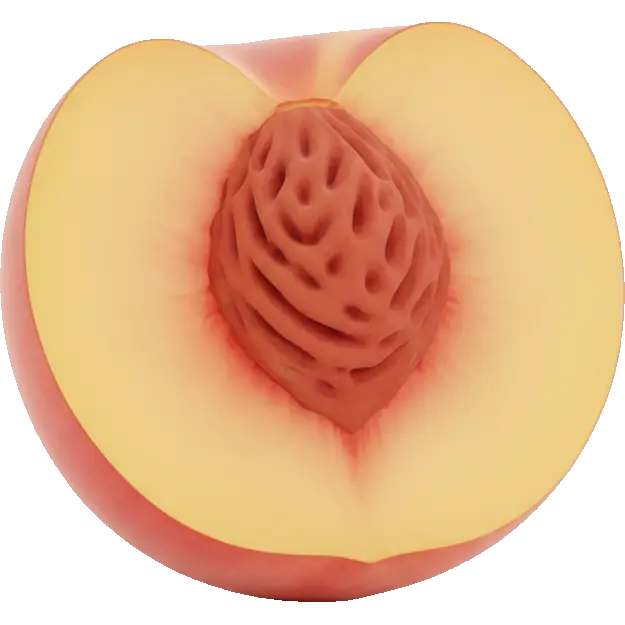
- 2Stone fruits are naturally high in polyols
- 3Cooking doesn't reduce polyol content
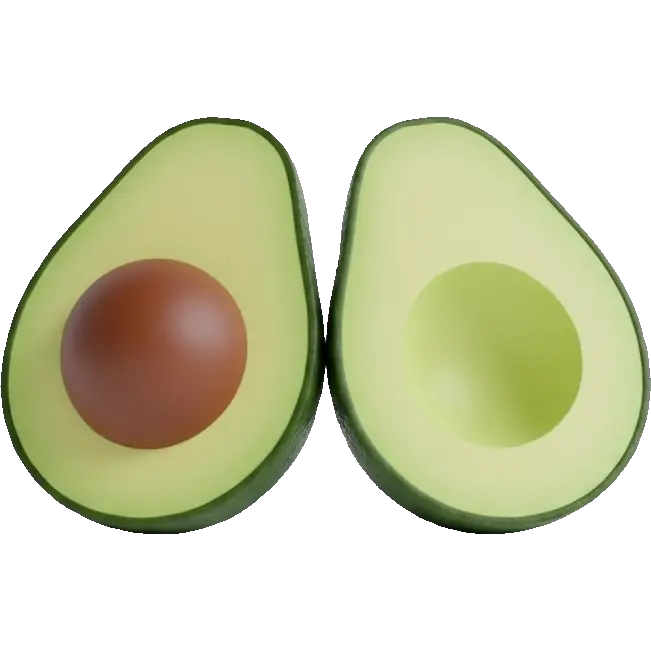
- 4Avocado portion size matters - small amounts may be fine
- 5Cauliflower and mushrooms are common triggers
Pro tip: Keep a food diary to track your reactions. The Triggerbites app makes this easy with automatic pattern detection.
Want personalized tracking?
Download Triggerbites to log meals, track symptoms, and discover your unique triggers.
Get the AppFAQ
Is trehalose high in Polyols?
Polyols: higher signal - consider smaller servings or swaps.
Can I still eat trehalose if I'm sensitive to Polyols?
Best to avoid or test carefully with a small amount.
What else should I check?
Check AIP, Specific Carbohydrate, and Paleo next for a fuller picture.