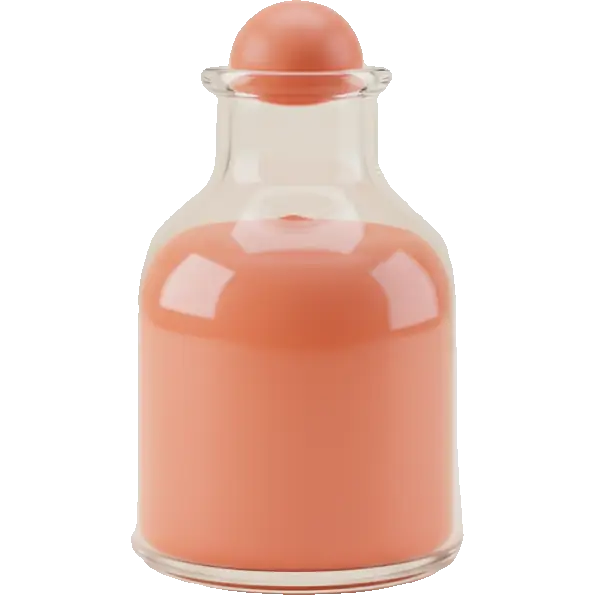
french dressing
Condiments & Sauces
Is french dressing paleo-compatible?
See whether french dressing fits a paleo diet, with a clear compatible-or-avoid verdict plus its FODMAP, histamine and other trigger ratings in one place.
Related checkers
Compare french dressing across criteria
Sensitivity notes
Why paleo diet checker matters
Paleo affects how your body responds to certain foods. Understanding your personal tolerance helps you make informed choices.
- Keep a detailed food and symptom diary to track your personal reactions
- Eliminate the suspected trigger completely for 2-4 weeks
- Reintroduce gradually to find your personal tolerance threshold
- Work with a healthcare provider or registered dietitian for guidance
- Remember that food sensitivities can change over time
Sensitivities
What french dressing contains
FODMAPs
Histamine & Amines
Plant compounds
Irritants
Additives
Allergens
Diet fit
Where french dressing fits
Therapeutic diets
Lifestyle diets
Religious diets
What to know about french dressing
The bottled American French dressing is not the plain oil-and-vinegar French vinaigrette its name suggests. It is a sweetened, tomato-tinted, vinegar-based emulsion, and that composition shows up in the grades as a long row of moderates rather than one dramatic spike: nightshade C from the tomato paste that gives it the orange colour, excess fructose C and polyols C from the sweetener, fructans C from onion and garlic powder, sulfite C, histamine C with histamine liberator C, glutamates C and salicylate C. Nothing here is graded high, so French dressing is rarely the single thing that wrecks a day. It is the kind of ingredient that stacks. If you are tracking a nightshade, sulfite or FODMAP reaction, the honest answer is that the label decides, not the name: recipes differ enormously between brands, and two bottles both called French dressing can have completely different trigger profiles.
Watch for
- Graded nightshade C because tomato paste or puree is what makes it orange.It counts as a nightshade exposure on an elimination even though it arrives as a condiment rather than a vegetable
- Excess fructose C and polyols C: the sweetness usually comes from corn syrup, high fructose corn syrup or sugar, so a heavy pour is a real fructose load on a small amount of food
- Fructans C from the onion and garlic powder that most recipes lean on for savoury depth.This is the FODMAP most people miss in a dressing
- Sulfite C, histamine C and histamine liberator C all trace back to the vinegar base and the tomato, which is why a bottled dressing can bother you when the same salad dressed with oil does not
- Dairy protein C, gluten C and glutamates C are brand-dependent rather than universal.Creamy styles add buttermilk or whey, some thickeners and malt vinegars are wheat-derived, and savoury boosters raise free glutamate. Read the specific bottle


Explore related in Condiments & Sauces
Compare similar foods to build a personalized list of swaps that work for your system.




Paleo Guide
Everything you need to know about paleo compatibility and smart food choices.
Paleo affects how your body responds to certain foods. Understanding your personal tolerance helps you make informed choices.







Practical guidance for following a Paleo diet:
- 1Keep a detailed food and symptom diary to track your personal reactions
- 2Eliminate the suspected trigger completely for 2-4 weeks
- 3Reintroduce gradually to find your personal tolerance threshold
- 4Work with a healthcare provider or registered dietitian for guidance
- 5Remember that food sensitivities can change over time
Pro tip: Keep a food diary to track your reactions. The Triggerbites app makes this easy with automatic pattern detection.
Want personalized tracking?
Download Triggerbites to log meals, track symptoms, and discover your unique triggers.
Get the AppFAQ
Does french dressing fit a paleo diet?
Paleo: avoid for strict plans.
What if I eat it occasionally?
Occasional use may break strict plans.
What are safer swaps?
Compare within the Condiments & Sauces group.