 Back to AIP diet checker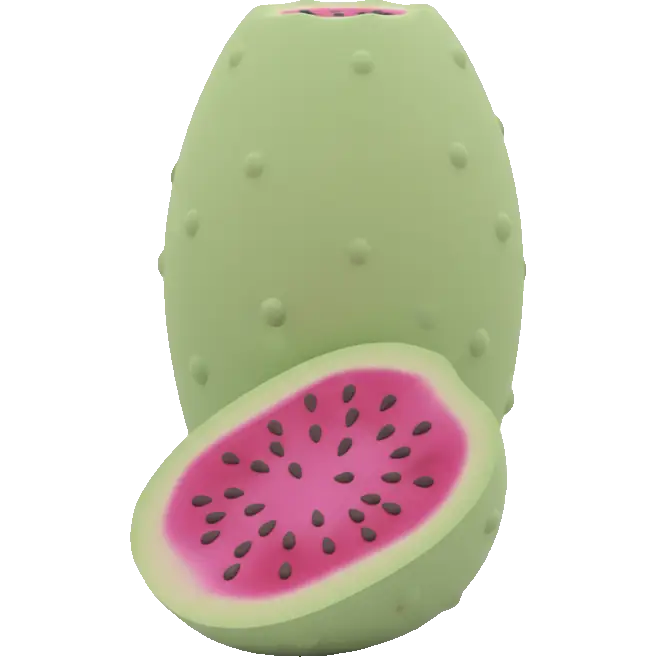
cactus pear
Fruit
Is cactus pear aip-compatible?
See whether cactus pear fits an aip diet, with a clear compatible-or-avoid verdict plus its FODMAP, histamine and other trigger ratings in one place.

Related checkers
Compare cactus pear across criteria

Sensitivity notes
Why aip diet checker matters
The Paleo Autoimmune Protocol (AIP) is an elimination diet designed to reduce inflammation and heal the gut in people with autoimmune conditions. It removes grains, legumes, dairy, eggs, nuts, seeds, and nightshades during the elimination phase.
- Elimination phase removes all potentially inflammatory foods
- Focus on nutrient-dense foods: organ meats, bone broth, vegetables
- Reintroduce foods one at a time after 30-90 days
- Sleep, stress management, and movement are part of the protocol
- Work with a practitioner experienced in autoimmune protocols

Sensitivities
What cactus pear contains
FODMAPs







Histamine & Amines



Plant compounds




Irritants




Additives



Allergens















Diet fit
Where cactus pear fits
Therapeutic diets










Lifestyle diets









Religious diets





What to know about cactus pear
Cactus pear is one of the genuinely all clear entries in this database. The fruit of Opuntia ficus indica grades A on every criterion we track: low FODMAP with A for total FODMAPs, excess fructose, polyols and fructans, plus A for histamine, histamine liberation, tyramine, salicylates, oxalates, nickel, sulfites, gluten, lactose, free glutamates, lectins and nightshades. If you are rebuilding a diet after an elimination phase, this is an unusually low risk fruit to bring back. Two honest caveats keep it from being a free pass. The first is a scope question people get wrong constantly: the fruit and the pads are not the same food. Nopal, the flat green cladode eaten as a vegetable, carries substantial calcium oxalate as microscopic crystals and grades B for oxalates against the fruit A, so a low oxalate protocol should treat them as separate entries. The second is mechanical rather than chemical. Cactus pear is packed with small stone hard seeds that pass through undigested, and eating a lot of them is a recognised cause of seed bezoars and rectal impaction in the medical literature. Neither of those is a food chemistry trigger, but both are worth knowing before you eat four in a row.
Watch for
- The seeds do not break down and can accumulate.In a published series of thirty adults hospitalised with seed bezoars impacted in the rectum, prickly pear seeds were the single most common culprit at twelve cases, and there is a case report of a bezoar causing rectal perforation in an elderly patient. Eat it in reasonable amounts, spit or strain the seeds if you are eating several, and take this seriously if you are older, prone to constipation or not drinking much
- Glochids are the real hazard in the kitchen.The hair fine barbed bristles on the skin embed in fingers, lips and the roof of the mouth, and they irritate mechanically rather than poison. Handle with tongs and gloves, scrub or singe the skin, and peel properly rather than biting into an unpeeled fruit
- Red and purple varieties will tint urine and stool pink or red for a day, in exactly the way beetroot does and for the same reason: betalain pigments passing through.It is harmless, but it alarms people who mistake it for blood
- Cactus pear and nopal pads are rich in mucilage, a soluble fibre gel.Soluble fibre is fermentable, so a large portion can still produce gas and looseness even though the FODMAP grades are A. Low FODMAP is not the same claim as low fibre
- If you are tracking oxalates for kidney stones, log the pads separately from the fruit.The fruit grades A, but nopal cladodes hold calcium oxalate crystals and grade B, and the two get conflated on menus and in supplements
- Nopal and cactus pear preparations are studied for lowering post meal blood glucose.That is a benefit for most people, but worth flagging to your doctor if you take glucose lowering medication




Explore related in Fruit
Compare similar foods to build a personalized list of swaps that work for your system.
AIP Guide
Everything you need to know about aip compatibility and smart food choices.
The Paleo Autoimmune Protocol (AIP) is an elimination diet designed to reduce inflammation and heal the gut in people with autoimmune conditions. It removes grains, legumes, dairy, eggs, nuts, seeds, and nightshades during the elimination phase.







Practical guidance for following a AIP diet:
- 1Elimination phase removes all potentially inflammatory foods
- 2Focus on nutrient-dense foods: organ meats, bone broth, vegetables
- 3Reintroduce foods one at a time after 30-90 days
- 4Sleep, stress management, and movement are part of the protocol
- 5Work with a practitioner experienced in autoimmune protocols
Pro tip: Keep a food diary to track your reactions. The Triggerbites app makes this easy with automatic pattern detection.
Want personalized tracking?
Download Triggerbites to log meals, track symptoms, and discover your unique triggers.
Get the AppFAQ
Does cactus pear fit an aip diet?
AIP: fits well for most plans.
What if I eat it occasionally?
Still check preparation and add-ins.
What are safer swaps?
Compare within the Fruit group.