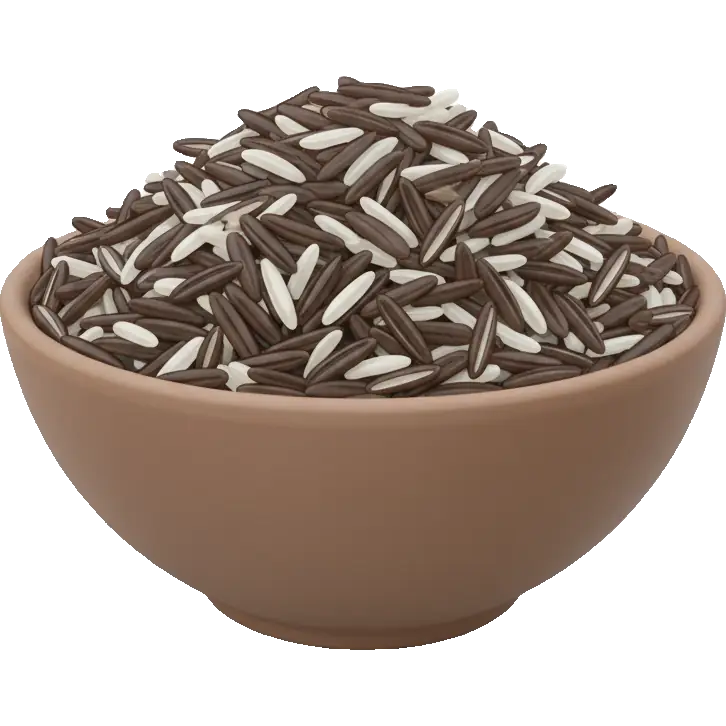
wild rice
Grains
Is wild rice mediterranean-compatible?
See whether wild rice fits a mediterranean diet, with a clear compatible-or-avoid verdict plus its FODMAP, histamine and other trigger ratings in one place.
Related checkers
Compare wild rice across criteria
Sensitivity notes
Why mediterranean diet checker matters
The Mediterranean diet is based on traditional foods from countries bordering the Mediterranean Sea. It emphasizes olive oil, fish, vegetables, whole grains, and moderate wine consumption while limiting red meat and processed foods.
- Make olive oil your primary fat source
- Eat fish at least twice per week
- Enjoy meals with family and friends - it's part of the lifestyle
- Red wine in moderation (optional) with meals
- Limit red meat to a few times per month
Sensitivities
What wild rice contains
FODMAPs
Histamine & Amines
Plant compounds
Irritants
Additives
Allergens
Diet fit
Where wild rice fits
Therapeutic diets
Lifestyle diets
Religious diets
What to know about wild rice
Wild rice is not rice. It is the seed of Zizania, an aquatic grass that grows in the shallow lakes and slow rivers of the Great Lakes region, in a different genus from Oryza entirely, and its resemblance to a long grain is a naming accident. To Ojibwe and other Anishinaabe communities it is manoomin, a sacred food still harvested by canoe in late summer by tapping the ripe heads with cedar knockers so that enough seed falls back into the water to reseed the bed. For anyone tracking food triggers the useful headline is that it grades clean almost everywhere: no gluten, no histamine or histamine liberation, no salicylate, no nickel, no free glutamate, no sulfites. The two honest caveats are that it is a whole, hulled seed that ferments heavily, and that our FODMAP and oxalate figures for it are unrated rather than low.
Watch for
- Naturally gluten free, but "wild rice" on a shelf is usually a blend: mostly long grain rice with a scattering of black seed, and pilaf and stuffing mixes add wheat, bouillon and yeast extract.The box is the risk, not the grain
- Graded poorly for low fermentation and SIBO diets.The bran stays intact through cooking, so it arrives in the colon largely undigested and ferments
- FODMAP content is unrated in our data rather than confirmed low.Ordinary rice is low, but wild rice is a different plant, so portion test it instead of assuming
- Oxalate is also unrated here.If you are on a strict low oxalate protocol, treat wild rice as unknown until you have tested it rather than counting it as safe
- It takes 45 minutes or more to cook, so it usually turns up in stock, cream or soy heavy dishes.When wild rice soup causes symptoms, the broth is the more likely culprit




Explore related in Grains
Compare similar foods to build a personalized list of swaps that work for your system.



Mediterranean Guide
Everything you need to know about mediterranean compatibility and smart food choices.
The Mediterranean diet is based on traditional foods from countries bordering the Mediterranean Sea. It emphasizes olive oil, fish, vegetables, whole grains, and moderate wine consumption while limiting red meat and processed foods.
These foods are typically compatible with a Mediterranean approach:
View all safe options





Practical guidance for following a Mediterranean diet:
- 1Make olive oil your primary fat source
- 2Eat fish at least twice per week
- 3Enjoy meals with family and friends - it's part of the lifestyle
- 4Red wine in moderation (optional) with meals
- 5Limit red meat to a few times per month
Pro tip: Keep a food diary to track your reactions. The Triggerbites app makes this easy with automatic pattern detection.
Want personalized tracking?
Download Triggerbites to log meals, track symptoms, and discover your unique triggers.
Get the AppFAQ
Does wild rice fit a mediterranean diet?
Mediterranean: fits well for most plans.
What if I eat it occasionally?
Still check preparation and add-ins.
What are safer swaps?
Compare within the Grains group.