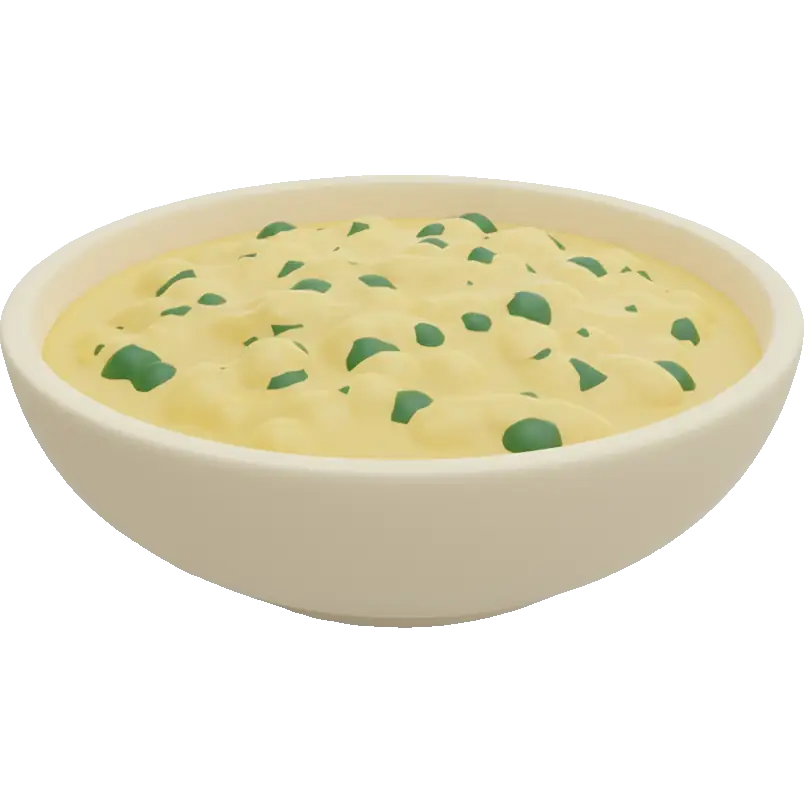
egusi seeds
Nuts & Seeds
Is egusi seeds mediterranean-compatible?
See whether egusi seeds fits a mediterranean diet, with a clear compatible-or-avoid verdict plus its FODMAP, histamine and other trigger ratings in one place.
Related checkers
Compare egusi seeds across criteria
Sensitivity notes
Why mediterranean diet checker matters
The Mediterranean diet is based on traditional foods from countries bordering the Mediterranean Sea. It emphasizes olive oil, fish, vegetables, whole grains, and moderate wine consumption while limiting red meat and processed foods.
- Make olive oil your primary fat source
- Eat fish at least twice per week
- Enjoy meals with family and friends - it's part of the lifestyle
- Red wine in moderation (optional) with meals
- Limit red meat to a few times per month
Sensitivities
What egusi seeds contains
FODMAPs
Histamine & Amines
Plant compounds
Irritants
Additives
Allergens
Diet fit
Where egusi seeds fits
Therapeutic diets
Lifestyle diets
Religious diets
What to know about egusi seeds
Egusi is the hulled seed of a West African gourd, ground to a coarse meal and used as the thickener and protein base of egusi soup across Nigeria, Ghana and Cameroon. Two things make it different from the nuts and seeds it sits beside in this database. First, it is a melon seed, not a tree nut, so it carries none of the tree nut allergen proteins and is a genuine option for people avoiding almonds, cashews and walnuts. Second, the portion is not a garnish. Egusi goes into a pot by the cupful and behaves as a staple, which is why its moderate nickel and oxalate grades deserve more attention here than the same grades would on a spice.
Watch for
- Oxalate and nickel both grade moderate (C), and the serving size is what turns that from trivia into something worth logging.A bowl of egusi soup can carry a hundred grams of ground seed, far more seed than anyone eats as a snack.
- Every FODMAP column on this row is unrated rather than clean.Egusi has not been tested, so treat a first bowl as an unknown rather than assuming the blank means low.
- Egusi soup is rarely just egusi.Ground crayfish, stockfish, palm oil and fermented locust bean (iru or dawadawa) are standard, and the fermented and dried seafood components carry far more histamine and glutamate than the seed does. If a bowl of egusi reliably sets you off, work through those before blaming the melon seed.
- The seed is high in fat and goes rancid quickly once ground.Rancid egusi tastes sharp and bitter, and stale ground seed is a common reason a familiar dish suddenly tastes wrong.
- It is not AIP compliant.The autoimmune protocol removes all seeds during the elimination phase regardless of how gentle the trigger profile looks.


Explore related in Nuts & Seeds
Compare similar foods to build a personalized list of swaps that work for your system.

Mediterranean Guide
Everything you need to know about mediterranean compatibility and smart food choices.
The Mediterranean diet is based on traditional foods from countries bordering the Mediterranean Sea. It emphasizes olive oil, fish, vegetables, whole grains, and moderate wine consumption while limiting red meat and processed foods.
These foods are typically compatible with a Mediterranean approach:
View all safe options







Practical guidance for following a Mediterranean diet:
- 1Make olive oil your primary fat source
- 2Eat fish at least twice per week
- 3Enjoy meals with family and friends - it's part of the lifestyle
- 4Red wine in moderation (optional) with meals
- 5Limit red meat to a few times per month
Pro tip: Keep a food diary to track your reactions. The Triggerbites app makes this easy with automatic pattern detection.
Want personalized tracking?
Download Triggerbites to log meals, track symptoms, and discover your unique triggers.
Get the AppFAQ
Does egusi seeds fit a mediterranean diet?
Mediterranean: mixed fit - check ingredients.
What if I eat it occasionally?
Keep portions small and verify ingredients.
What are safer swaps?
Compare within the Nuts & Seeds group.