 Back to Mediterranean diet checker
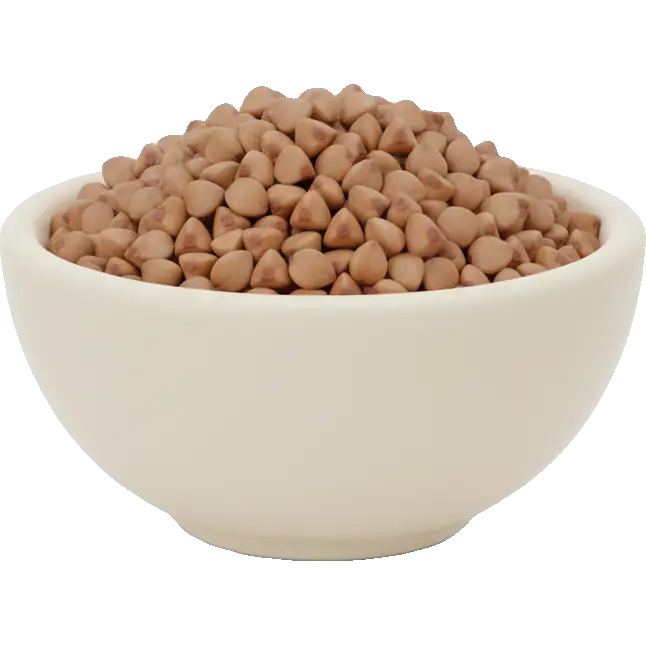
buckwheat groats
Grains
Is buckwheat groats mediterranean-compatible?
See whether buckwheat groats fits a mediterranean diet, with a clear compatible-or-avoid verdict plus its FODMAP, histamine and other trigger ratings in one place.

Related checkers
Compare buckwheat groats across criteria

Sensitivity notes
Why mediterranean diet checker matters
The Mediterranean diet is based on traditional foods from countries bordering the Mediterranean Sea. It emphasizes olive oil, fish, vegetables, whole grains, and moderate wine consumption while limiting red meat and processed foods.
- Make olive oil your primary fat source
- Eat fish at least twice per week
- Enjoy meals with family and friends - it's part of the lifestyle
- Red wine in moderation (optional) with meals
- Limit red meat to a few times per month

Sensitivities
What buckwheat groats contains
FODMAPs







Histamine & Amines



Plant compounds




Irritants




Additives



Allergens
















Diet fit
Where buckwheat groats fits
Therapeutic diets










Lifestyle diets









Religious diets






What to know about buckwheat groats
Buckwheat groats contain no wheat and no gluten, and the name is a translation accident rather than a clue. Buckwheat is not a grass or a cereal at all: it is the seed of a plant in the same family as rhubarb and sorrel, and groats are simply those seeds with the hard hull removed. Toast them and you get kasha, which turns reddish and nutty and holds its shape in a pilaf instead of collapsing the way the raw pale-green kernel can. Our data grades groats A for gluten, histamine, tyramine, glutamates and nightshade, with mild B grades for FODMAPs, fructans, salicylates and oxalate, so as a bowl of cooked grain-substitute it is one of the gentler options. Two things stop it from being a free pass. Buckwheat products are frequently not gluten free even when the seed is, and buckwheat is a documented food allergen in its own right.
Watch for
- Gluten free as a seed, unreliable as a product.Most Japanese soba noodles are cut with wheat flour and only juwari soba is 100 percent buckwheat, while buckwheat flour is often milled on shared equipment. With celiac disease the certification matters more here than it does for rice
- Buckwheat is a real IgE allergen, not only a sensitivity.It is a mandatory labeled allergen in Japan because soba is a staple there, reactions are well documented in Korea as well, and they can be severe. Buckwheat husk pillows are a recognized route of exposure alongside food
- Moderate FODMAP by volume, graded B for total FODMAPs and B for fructans.A modest side portion of cooked groats suits most sensitive guts, while a large main-course bowl brings enough fructans to notice
- Mild B for oxalate, so it is not the oxalate-free option that plain rice is.On a strict low oxalate protocol buckwheat belongs on the counted list rather than in the free column
- Kasha and raw groats are the same seed at different roast levels, but packets labeled buckwheat can also mean flour, noodles or a pancake mix with wheat, egg or milk in it.Log the format, not just the word


Explore related in Grains
Compare similar foods to build a personalized list of swaps that work for your system.


Mediterranean Guide
Everything you need to know about mediterranean compatibility and smart food choices.
The Mediterranean diet is based on traditional foods from countries bordering the Mediterranean Sea. It emphasizes olive oil, fish, vegetables, whole grains, and moderate wine consumption while limiting red meat and processed foods.
These foods are typically compatible with a Mediterranean approach:
View all safe options






Practical guidance for following a Mediterranean diet:
- 1Make olive oil your primary fat source
- 2Eat fish at least twice per week
- 3Enjoy meals with family and friends - it's part of the lifestyle
- 4Red wine in moderation (optional) with meals
- 5Limit red meat to a few times per month
Pro tip: Keep a food diary to track your reactions. The Triggerbites app makes this easy with automatic pattern detection.
Want personalized tracking?
Download Triggerbites to log meals, track symptoms, and discover your unique triggers.
Get the AppFAQ
Does buckwheat groats fit a mediterranean diet?
Mediterranean: fits well for most plans.
What if I eat it occasionally?
Still check preparation and add-ins.
What are safer swaps?
Compare within the Grains group.