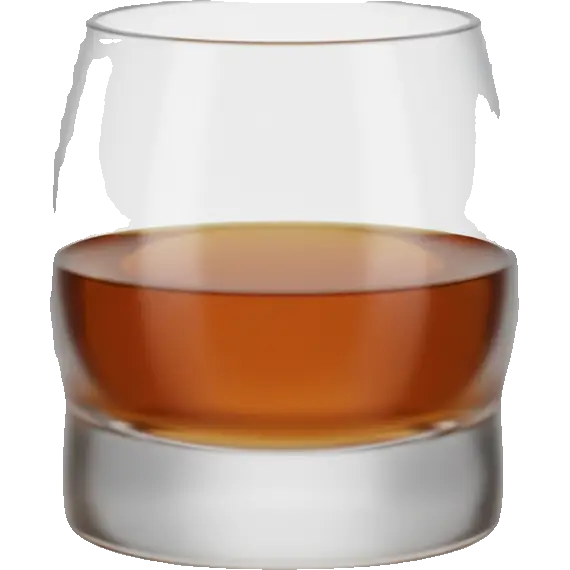
rye whiskey
Beverages
Is rye whiskey high in lectin?
Is rye whiskey high or low in lectin? See its exact rating, how much counts as a portion, and its FODMAP, salicylate, oxalate and diet compatibility in one place.
Related checkers
Compare rye whiskey across criteria
Sensitivity notes
Why lectin food checker matters
Lectins are proteins found in many plant foods, especially legumes and grains. Some people follow low-lectin diets believing they reduce inflammation and digestive issues, though properly cooked foods have reduced lectin content.
- Proper cooking destroys most lectins - never eat raw beans
- Pressure cooking is highly effective at reducing lectins
- Peeling and deseeding reduces lectin content
- Fermentation can reduce lectins in some foods
- Sprouting may increase or decrease lectins depending on the food
Sensitivities
What rye whiskey contains
FODMAPs
Histamine & Amines
Plant compounds
Irritants
Additives
Allergens
Diet fit
Where rye whiskey fits
Therapeutic diets
Lifestyle diets
Religious diets
What to know about rye whiskey
Rye whiskey gets its dry, peppery bite from the mash bill. US federal rules require at least 51 percent rye grain before a bottle can be called rye, the same threshold bourbon has to clear for corn, and that swap of grain is the entire flavour difference. Confusingly, Canadian whisky is allowed to be labelled rye with little or no rye in it at all, so the word on the front is not always a recipe. For trigger purposes the grain matters less than what fermentation and time in charred oak leave behind. Rye grades borderline on histamine and on tyramine, in line with bourbon and scotch and a notch above the generic whiskey entry, because the congeners that make it through a whiskey still and then build up in wood include the amines that people feel as flushing, a thumping head or a heart that will not settle. It is graded clean of oxalate, glutamate and nitrite, borderline on salicylate and sulfite from the barrel, and the gluten question has a short answer: distillation leaves the rye protein behind, so plain rye whiskey is graded gluten free even though rye grain is not.
Watch for
- Borderline on both histamine and tyramine, and those grades stack with whatever else is on the table: a rye with charcuterie and aged cheese is three moderate amine sources at once, which is often what actually tips a reaction
- Rye is a cocktail spirit more than a sipping one, and its classic partner is the Manhattan: sweet vermouth is graded high for sulfite and borderline for histamine and tyramine, so the drink is considerably more loaded than the whiskey in it
- Barrel proof and cask strength bottlings run 50 to 60 percent alcohol against a standard 40 to 45, so an identical looking pour can be a third more alcohol than you counted
- Graded poorly for SIBO and pro-inflammatory, which is true of spirits generally and is about the ethanol rather than anything specific to rye
- Gluten free by distillation, but flavoured rye liqueurs, pre-mixed cans and anything with added colouring or flavouring sit outside that answer and need their own label check






Explore related in Beverages
Compare similar foods to build a personalized list of swaps that work for your system.


Lectin Guide
Everything you need to know about lectin sensitivity and smart food choices.
Lectins are proteins found in many plant foods, especially legumes and grains. Some people follow low-lectin diets believing they reduce inflammation and digestive issues, though properly cooked foods have reduced lectin content.
Sensitivity varies widely. What triggers one person may be fine for another. Track your reactions to find your personal threshold.
These foods are generally well-tolerated for Lectin sensitivity:
View all safe options



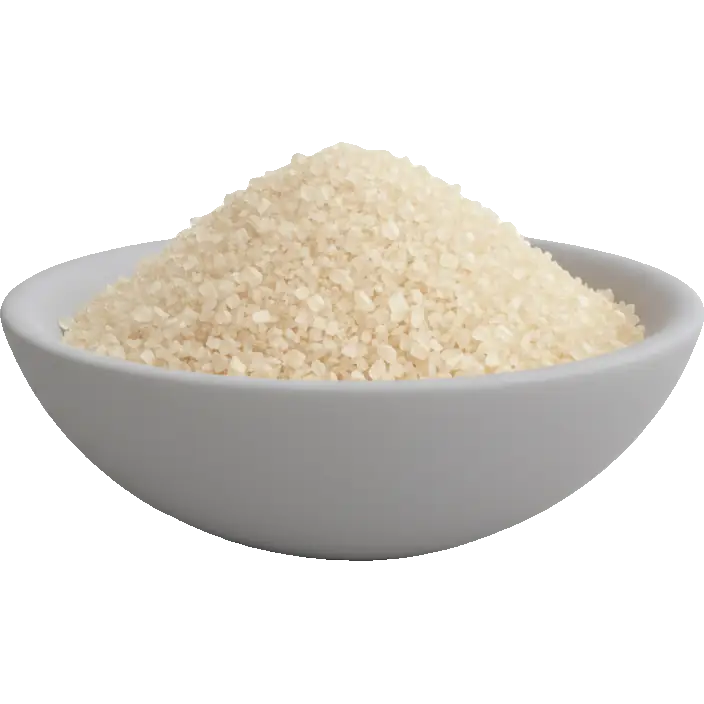








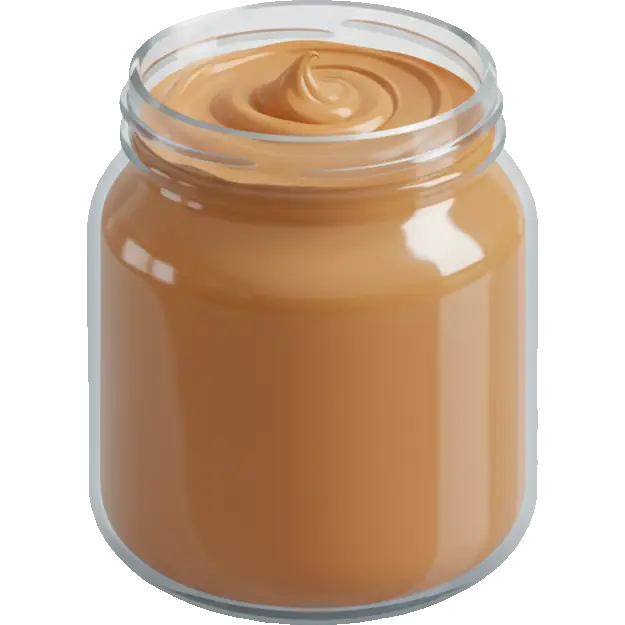




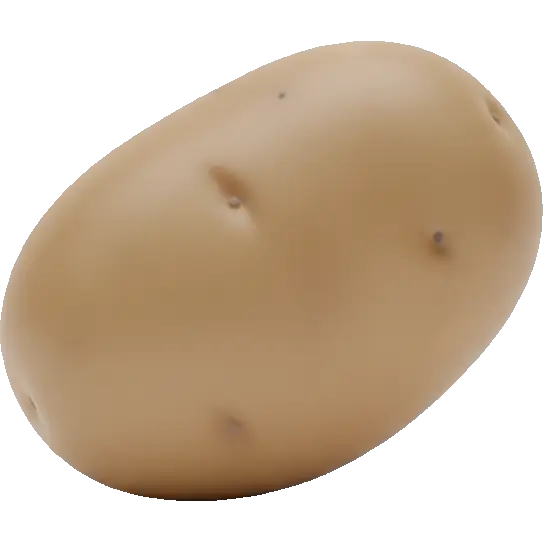
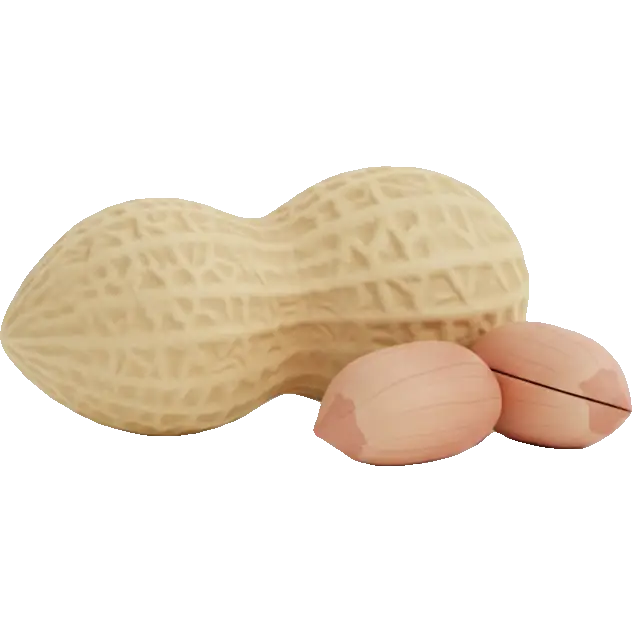

If you're sensitive to Lectin, consider these strategies:
- 1Proper cooking destroys most lectins - never eat raw beans
- 2Pressure cooking is highly effective at reducing lectins
- 3Peeling and deseeding reduces lectin content
- 4Fermentation can reduce lectins in some foods
- 5Sprouting may increase or decrease lectins depending on the food
Pro tip: Keep a food diary to track your reactions. The Triggerbites app makes this easy with automatic pattern detection.
Want personalized tracking?
Download Triggerbites to log meals, track symptoms, and discover your unique triggers.
Get the AppFAQ
Is rye whiskey high in Lectin?
Lectin: low signal for most people.
Can I still eat rye whiskey if I'm sensitive to Lectin?
Usually fine in normal portions.
What else should I check?
Check Alcohol, AIP, and Reflux Diet next for a fuller picture.