 Back to Histamine food checker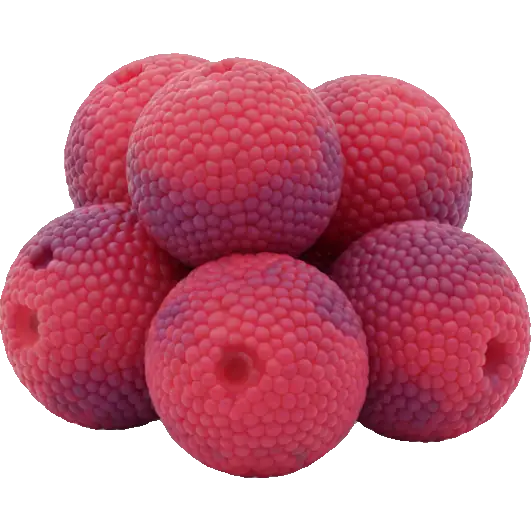
bayberry
Fruit
Is bayberry high in histamine?
Is bayberry high or low in histamine? See its exact rating, how much counts as a portion, and its FODMAP, salicylate, oxalate and diet compatibility in one place.

Related checkers
Compare bayberry across criteria

Sensitivity notes
Why histamine food checker matters
Histamine is a compound naturally present in many foods, especially aged, fermented, or preserved items. In sensitive individuals, excess histamine can cause headaches, flushing, hives, digestive issues, and other symptoms. Your body normally breaks down histamine, but some people have reduced capacity to do so.
- Focus on fresh foods - histamine builds up as food ages
- Cook and eat meals fresh; avoid leftovers sitting more than 24 hours
- Be cautious with fermented foods, aged cheeses, and cured meats
- Consider that stress and hormones can affect your histamine tolerance
- Some antihistamines or DAO supplements may help (consult your doctor)

Sensitivities
What bayberry contains
FODMAPs







Histamine & Amines



Plant compounds




Irritants




Additives



Allergens
















Diet fit
Where bayberry fits
Therapeutic diets










Lifestyle diets









Religious diets






What to know about bayberry
The bayberry graded here is the fruit, Chinese bayberry or yangmei (Myrica rubra), a deep crimson knobbly berry that has been cultivated in southern China for thousands of years. Worth separating from the other bayberry immediately, because the confusion is constant: bayberry bark, the astringent tannin heavy root bark of Myrica cerifera sold as a herbal preparation, and the wax bayberry used for candles are different plants and nothing on this page describes them. As a fresh fruit yangmei is clean across the board, grading A for histamine, histamine liberation, tyramine, salicylates, oxalates, nickel, sulfites, nitrites, gluten, lactose, free glutamates, lectins and nightshades. Its FODMAP columns are unrated rather than tested. The genuine complications are practical. Yangmei has a famously short shelf life, roughly one to two days at room temperature, so most of the yangmei that reaches people outside the growing region is preserved, dried, salted or steeped in spirits, and those versions carry additives, sugar, salt and fermentation that the fresh berry does not. And its bumpy open surface is a known target for spotted wing drosophila, which is why the fruit is traditionally soaked in salt water before eating.
Watch for
- Preserved, dried and candied yangmei are a different food from the fresh berry.Snack versions typically add sugar, heavy salt, licorice and preservatives, and none of that is reflected in the A grades here, which describe fresh fruit
- Yangmei steeped in baijiu or other spirits, and any batch that has started to ferment, moves the histamine question.Fresh bayberry grades A for histamine, but fermented and alcohol steeped preparations are a standard source of biogenic amines and should not be logged as the same item
- The fruit spoils within a day or two at room temperature, faster than almost any berry.Softness, weeping juice or a winey smell means it has begun to ferment, which is worth avoiding if you are amine sensitive rather than just a freshness preference
- Soak fresh yangmei in salted water for ten to fifteen minutes before eating.The fruit is highly susceptible to spotted wing drosophila, which lays eggs in ripening berries on the tree, and the salt soak draws out any tiny larvae along with dust trapped in the knobbly surface
- It is markedly tart and tannic.That astringency can aggravate reflux and leave teeth feeling rough, which is a straightforward acid effect rather than any graded trigger
- FODMAP content is untested rather than confirmed low, so treat a large bowl as an unknown quantity if you have IBS




Explore related in Fruit
Compare similar foods to build a personalized list of swaps that work for your system.

Histamine Guide
Everything you need to know about histamine sensitivity and smart food choices.
Histamine is a compound naturally present in many foods, especially aged, fermented, or preserved items. In sensitive individuals, excess histamine can cause headaches, flushing, hives, digestive issues, and other symptoms. Your body normally breaks down histamine, but some people have reduced capacity to do so.
Sensitivity varies widely. What triggers one person may be fine for another. Track your reactions to find your personal threshold.

These foods are generally well-tolerated for Histamine sensitivity:
View all safe options






These foods have moderate levels and may be tolerated in small amounts:







These foods are high in histamine and may trigger symptoms:
View full list





If you're sensitive to Histamine, consider these strategies:
- 1Focus on fresh foods - histamine builds up as food ages
- 2Cook and eat meals fresh; avoid leftovers sitting more than 24 hours
- 3Be cautious with fermented foods, aged cheeses, and cured meats
- 4Consider that stress and hormones can affect your histamine tolerance
- 5Some antihistamines or DAO supplements may help (consult your doctor)
Pro tip: Keep a food diary to track your reactions. The Triggerbites app makes this easy with automatic pattern detection.
Want personalized tracking?
Download Triggerbites to log meals, track symptoms, and discover your unique triggers.
Get the AppFAQ
Is bayberry high in Histamine?
Histamine: low signal for most people.
Can I still eat bayberry if I'm sensitive to Histamine?
Usually fine in normal portions.
What else should I check?
Check Reflux Diet, Low Fibre, and Gastroparesis Diet next for a fuller picture.