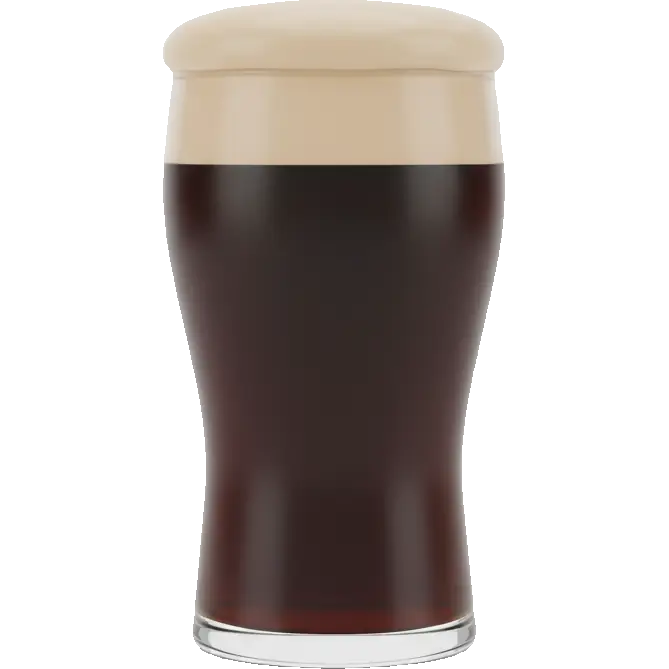
porter
Beverages
Is porter high in histamine liberators?
Is porter high or low in histamine liberators? See its exact rating, how much counts as a portion, and its FODMAP, salicylate, oxalate and diet compatibility in one place.
Related checkers
Compare porter across criteria
Sensitivity notes
Why histamine liberators food checker matters
Histamine liberators are foods that don't contain much histamine themselves but can trigger your body to release stored histamine. This can cause similar symptoms to high-histamine foods in sensitive individuals.
- Avoid histamine liberators alongside high-histamine foods
- Common liberators include citrus, strawberries, tomatoes, and chocolate
- Your tolerance may vary based on overall histamine load
- Keep a symptom diary to identify your personal triggers
- Consider your total 'histamine bucket' - liberators add to it
Sensitivities
What porter contains
FODMAPs
Histamine & Amines
Plant compounds
Irritants
Additives
Allergens
Diet fit
Where porter fits
Therapeutic diets
Lifestyle diets
Religious diets
What to know about porter
Porter is a London invention of the early 1700s, named for the ticket and fellowship porters who carried goods through the streets and unloaded the river boats and drank it by the pot. It is brewed from malted barley, which is why it grades at the very top of the gluten scale, and it carries the standard chemistry of a fermented drink: moderate histamine, moderate tyramine, moderate sulfites, and a poor grade for low fermentation and SIBO protocols from the residual malt sugars plus the alcohol. What makes porter its own style rather than a shade of stout is where the colour comes from. Brown and chocolate malts do the work, so the flavour runs to cocoa, toffee and dark bread instead of sharp roast. Stout began life as stout porter, the strong version of this same beer, and the modern revival has blurred that line all over again with Baltic porters fermented cold like lagers, imperial porters and smoked versions.
Watch for
- Barley malt means a full gluten trigger, unsafe in coeliac disease.Gluten-reduced beers made by treating normal beer with an enzyme are not the same as gluten free and are not recommended for coeliacs
- Moderate histamine, tyramine and sulfites together.Alcohol also slows DAO, the enzyme that clears histamine, so a porter can amplify whatever histamine load the meal already carried
- Graded poor for SIBO and low fermentation plans: unfermented malt sugars plus alcohol is a difficult combination for bacterial overgrowth symptoms
- Baltic porter is a different proposition by strength, commonly 7 to 9 percent, so one glass is effectively two servings of everything listed above
- The FODMAP grade is only moderate, which surprises people.Most of the fructans in barley are consumed or left behind during brewing, so with beer it is the alcohol and the volume that cause trouble more often than the FODMAPs





Explore related in Beverages
Compare similar foods to build a personalized list of swaps that work for your system.

Histamine Liberators Guide
Everything you need to know about histamine liberators sensitivity and smart food choices.
Histamine liberators are foods that don't contain much histamine themselves but can trigger your body to release stored histamine. This can cause similar symptoms to high-histamine foods in sensitive individuals.
Sensitivity varies widely. What triggers one person may be fine for another. Track your reactions to find your personal threshold.
These foods are generally well-tolerated for Histamine Liberators sensitivity:
View all safe options





These foods have moderate levels and may be tolerated in small amounts:








These foods are high in histamine liberators and may trigger symptoms:
View full list





If you're sensitive to Histamine Liberators, consider these strategies:
- 1Avoid histamine liberators alongside high-histamine foods
- 2Common liberators include citrus, strawberries, tomatoes, and chocolate
- 3Your tolerance may vary based on overall histamine load
- 4Keep a symptom diary to identify your personal triggers
- 5Consider your total 'histamine bucket' - liberators add to it
Pro tip: Keep a food diary to track your reactions. The Triggerbites app makes this easy with automatic pattern detection.
Want personalized tracking?
Download Triggerbites to log meals, track symptoms, and discover your unique triggers.
Get the AppFAQ
Is porter high in Histamine Liberators?
Histamine Liberators: moderate signal - portion size matters.
Can I still eat porter if I'm sensitive to Histamine Liberators?
Try smaller portions and space it out.
What else should I check?
Check Gluten, AIP, and EoE Compatible next for a fuller picture.