
ginger ale
Beverages
Is ginger ale high in histamine liberators?
Is ginger ale high or low in histamine liberators? See its exact rating, how much counts as a portion, and its FODMAP, salicylate, oxalate and diet compatibility in one place.
Related checkers
Compare ginger ale across criteria
Sensitivity notes
Why histamine liberators food checker matters
Histamine liberators are foods that don't contain much histamine themselves but can trigger your body to release stored histamine. This can cause similar symptoms to high-histamine foods in sensitive individuals.
- Avoid histamine liberators alongside high-histamine foods
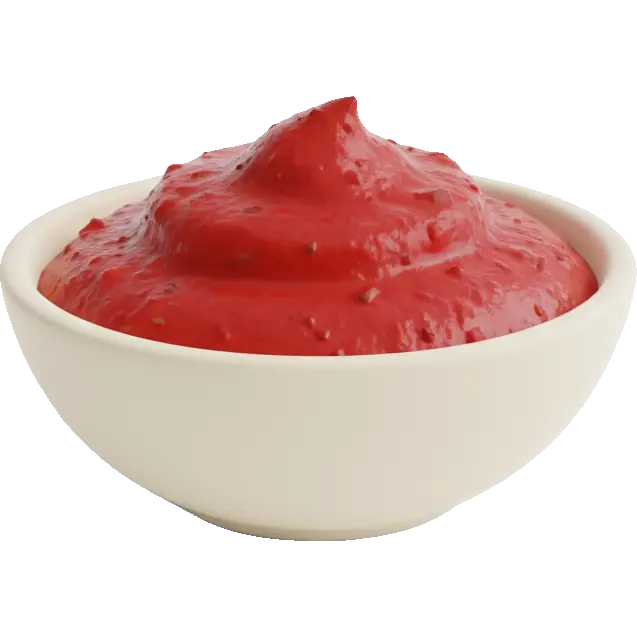
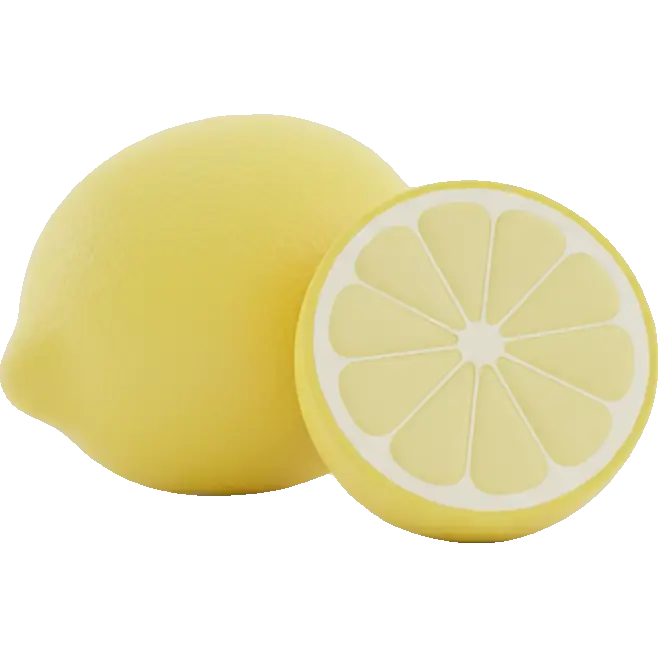
- Common liberators include citrus, strawberries, tomatoes, and chocolate
- Your tolerance may vary based on overall histamine load
- Keep a symptom diary to identify your personal triggers
- Consider your total 'histamine bucket' - liberators add to it
Sensitivities
What ginger ale contains
FODMAPs
Histamine & Amines
Plant compounds
Irritants
Additives
Allergens
Diet fit
Where ginger ale fits
Therapeutic diets
Lifestyle diets
Religious diets
What to know about ginger ale
Ginger ale is a soft drink that borrows a spice name. A mainstream can is carbonated water, sugar or high fructose corn syrup, an acidulant and flavouring, and the amount of real ginger in it is usually small enough to be invisible in the trigger data. You can see that in the grades: ginger ale rates clean on salicylates, while fresh ginger root rates high on them. A drink built on real root would inherit that flag, and this one does not. So the household belief that ginger ale settles a stomach is a belief about a sweet fizzy drink rather than about ginger. What ginger ale genuinely carries is a sugar load. It grades moderate FODMAP and moderate excess fructose, which is the pairing that causes bloating and looseness in people who malabsorb fructose, and the carbonation adds gas to a gut that is already producing some. It is caffeine free, histamine clean, gluten free, nickel free and free of dairy protein, so the search for a culprit is short: sugar, fructose and fizz.
Watch for
- Moderate FODMAP and moderate excess fructose from the sweetener.Fructose in excess of glucose is absorbed slowly and some of it reaches colonic bacteria intact, which is the bloating and urgency mechanism, and high fructose corn syrup versions sit at the top of that range
- The ginger is largely nominal.Ginger ale grades clean on salicylates where ginger root grades high, which tells you how little actual root is in the can. The nausea research people quote was done on ginger itself, not on ginger flavoured soda
- Carbonation is its own mechanical trigger.Dissolved gas released in the stomach adds volume and pressure, so fizz can drive belching, bloating and reflux independently of anything in the ingredient list
- Graded moderate for low-fermentation SIBO protocols and pro-inflammatory as a sugar sweetened beverage.Diet versions remove the fructose but replace it with sweeteners that bring their own gut questions, so they are a different test rather than a free pass
- Carries a light sulfite trace, which is minor next to the sugar but worth knowing if you are tracking sulfites across drinks






Explore related in Beverages
Compare similar foods to build a personalized list of swaps that work for your system.

Histamine Liberators Guide
Everything you need to know about histamine liberators sensitivity and smart food choices.
Histamine liberators are foods that don't contain much histamine themselves but can trigger your body to release stored histamine. This can cause similar symptoms to high-histamine foods in sensitive individuals.
Sensitivity varies widely. What triggers one person may be fine for another. Track your reactions to find your personal threshold.
These foods are generally well-tolerated for Histamine Liberators sensitivity:
View all safe options





These foods have moderate levels and may be tolerated in small amounts:







These foods are high in histamine liberators and may trigger symptoms:
View full list




If you're sensitive to Histamine Liberators, consider these strategies:
- 1Avoid histamine liberators alongside high-histamine foods
- 2Common liberators include citrus, strawberries, tomatoes, and chocolate
- 3Your tolerance may vary based on overall histamine load
- 4Keep a symptom diary to identify your personal triggers
- 5Consider your total 'histamine bucket' - liberators add to it
Pro tip: Keep a food diary to track your reactions. The Triggerbites app makes this easy with automatic pattern detection.
Want personalized tracking?
Download Triggerbites to log meals, track symptoms, and discover your unique triggers.
Get the AppFAQ
Is ginger ale high in Histamine Liberators?
Histamine Liberators: low signal for most people.
Can I still eat ginger ale if I'm sensitive to Histamine Liberators?
Usually fine in normal portions.
What else should I check?
Check Acidic Foods, AIP, and Reflux Diet next for a fuller picture.