 Back to Histamine food checker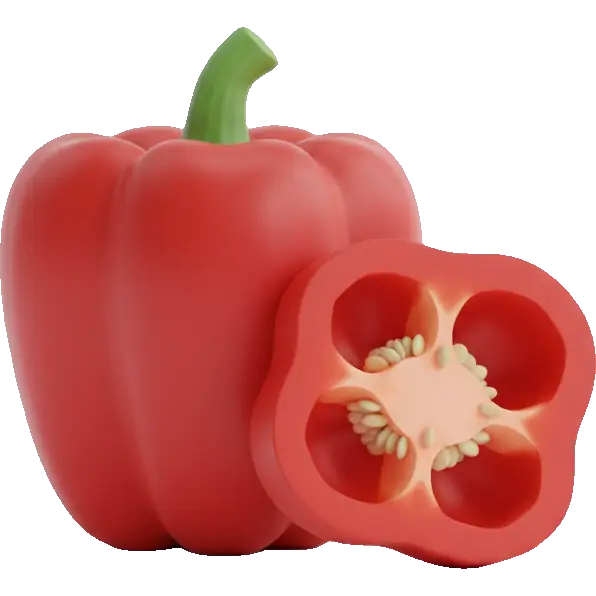
red bell pepper
Vegetables
Is red bell pepper high in histamine?
Is red bell pepper high or low in histamine? See its exact rating, how much counts as a portion, and its FODMAP, salicylate, oxalate and diet compatibility in one place.

Related checkers
Compare red bell pepper across criteria

Sensitivity notes
Why histamine food checker matters
Histamine is a compound naturally present in many foods, especially aged, fermented, or preserved items. In sensitive individuals, excess histamine can cause headaches, flushing, hives, digestive issues, and other symptoms. Your body normally breaks down histamine, but some people have reduced capacity to do so.
- Focus on fresh foods - histamine builds up as food ages
- Cook and eat meals fresh; avoid leftovers sitting more than 24 hours
- Be cautious with fermented foods, aged cheeses, and cured meats
- Consider that stress and hormones can affect your histamine tolerance
- Some antihistamines or DAO supplements may help (consult your doctor)

Sensitivities
What red bell pepper contains
FODMAPs







Histamine & Amines



Plant compounds




Irritants




Additives



Allergens
















Diet fit
Where red bell pepper fits
Therapeutic diets










Lifestyle diets









Religious diets






What to know about red bell pepper
Red bell peppers are anti-inflammatory and clean on histamine, but they are rated high in salicylates and are a nightshade, which is the combination that catches people out. If sweet peppers give you headaches, itching or a flare on an elimination diet, salicylate sensitivity and the nightshade family are the two things to look at, along with a higher FODMAP load in big portions.
Watch for
- Rated high in salicylates, a frequent trigger if you react to aspirin, tomatoes or other salicylate-rich produce
- Nightshade vegetable, so it comes out on AIP and nightshade-free protocols even though it is not a starch like potato
- Rated higher FODMAP by volume, so a whole raw pepper can bother a sensitive gut more than a few strips
- Rated high in lectins, one more reason lectin-avoiders limit raw peppers




Explore related in Vegetables
Compare similar foods to build a personalized list of swaps that work for your system.




Histamine Guide
Everything you need to know about histamine sensitivity and smart food choices.
Histamine is a compound naturally present in many foods, especially aged, fermented, or preserved items. In sensitive individuals, excess histamine can cause headaches, flushing, hives, digestive issues, and other symptoms. Your body normally breaks down histamine, but some people have reduced capacity to do so.
Sensitivity varies widely. What triggers one person may be fine for another. Track your reactions to find your personal threshold.

These foods are generally well-tolerated for Histamine sensitivity:
View all safe options







These foods have moderate levels and may be tolerated in small amounts:







These foods are high in histamine and may trigger symptoms:
View full list




If you're sensitive to Histamine, consider these strategies:
- 1Focus on fresh foods - histamine builds up as food ages
- 2Cook and eat meals fresh; avoid leftovers sitting more than 24 hours
- 3Be cautious with fermented foods, aged cheeses, and cured meats
- 4Consider that stress and hormones can affect your histamine tolerance
- 5Some antihistamines or DAO supplements may help (consult your doctor)
Pro tip: Keep a food diary to track your reactions. The Triggerbites app makes this easy with automatic pattern detection.
Want personalized tracking?
Download Triggerbites to log meals, track symptoms, and discover your unique triggers.
Get the AppFAQ
Is red bell pepper high in Histamine?
Histamine: low signal for most people.
Can I still eat red bell pepper if I'm sensitive to Histamine?
Usually fine in normal portions.
What else should I check?
Check Nightshades, Lectin, and AIP next for a fuller picture.