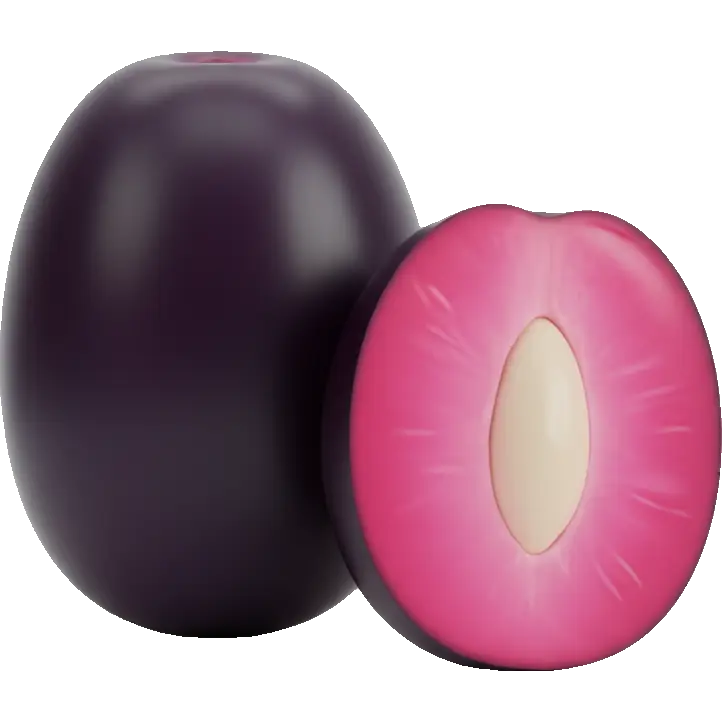
jambul
Fruit
Is jambul high in histamine?
Is jambul high or low in histamine? See its exact rating, how much counts as a portion, and its FODMAP, salicylate, oxalate and diet compatibility in one place.
Related checkers
Compare jambul across criteria
Sensitivity notes
Why histamine food checker matters
Histamine is a compound naturally present in many foods, especially aged, fermented, or preserved items. In sensitive individuals, excess histamine can cause headaches, flushing, hives, digestive issues, and other symptoms. Your body normally breaks down histamine, but some people have reduced capacity to do so.
- Focus on fresh foods - histamine builds up as food ages
- Cook and eat meals fresh; avoid leftovers sitting more than 24 hours
- Be cautious with fermented foods, aged cheeses, and cured meats
- Consider that stress and hormones can affect your histamine tolerance
- Some antihistamines or DAO supplements may help (consult your doctor)
Sensitivities
What jambul contains
FODMAPs
Histamine & Amines
Plant compounds
Irritants
Additives
Allergens
Diet fit
Where jambul fits
Therapeutic diets
Lifestyle diets
Religious diets
What to know about jambul
Jambul (Syzygium cumini), sold across South Asia as jamun and elsewhere as java plum, is one of the cleaner rows in this database. It grades A for histamine content, tyramine, gluten, lactose, dairy protein, free glutamates, sulfites, nitrites, nickel and nightshades, with only mild B marks for histamine liberation, salicylates and oxalates. Its FODMAP columns are unrated rather than tested low, so a very sensitive gut should still trial it rather than assume. The reason most people search for jambul is not a trigger at all: it is sold hard as a blood sugar remedy, and that claim needs unpicking. The traditional preparation is not the fruit. It is a powder or extract made from the seed, which you would normally spit out, and the seed is where the compounds studied for glucose lowering are concentrated. Animal work does show a hypoglycaemic effect from those seed extracts, but human trials are small, short and inconsistent, and reviewers have repeatedly landed on the evidence being too thin to recommend it as a treatment. If you take metformin, a sulfonylurea or insulin, the concentrated seed supplement is worth naming to your doctor. Eating the fresh fruit is a different and much smaller exposure.
Watch for
- The jamun seed supplement and the jamun fruit are not the same thing.Standardised seed powders and extracts are what the glucose lowering research uses, and combining one with prescribed diabetes medication is an additive hypoglycaemia question for a clinician, not a food question
- FODMAP grades are unrated (U), so read them as untested rather than cleared.If you have IBS, start with a small handful and log it
- Underripe jambul is fiercely astringent.The dry, furry, puckering mouth is tannin and it fades within minutes, but people regularly mistake it for an oral allergy reaction
- It stains.The anthocyanins that make the skin near black will colour your tongue, lips, fingers and clothing purple for a while. Harmless, and worth knowing before you panic about a discoloured tongue




Explore related in Fruit
Compare similar foods to build a personalized list of swaps that work for your system.
Histamine Guide
Everything you need to know about histamine sensitivity and smart food choices.
Histamine is a compound naturally present in many foods, especially aged, fermented, or preserved items. In sensitive individuals, excess histamine can cause headaches, flushing, hives, digestive issues, and other symptoms. Your body normally breaks down histamine, but some people have reduced capacity to do so.
Sensitivity varies widely. What triggers one person may be fine for another. Track your reactions to find your personal threshold.
These foods are generally well-tolerated for Histamine sensitivity:
View all safe options





These foods have moderate levels and may be tolerated in small amounts:








These foods are high in histamine and may trigger symptoms:
View full list





If you're sensitive to Histamine, consider these strategies:
- 1Focus on fresh foods - histamine builds up as food ages
- 2Cook and eat meals fresh; avoid leftovers sitting more than 24 hours
- 3Be cautious with fermented foods, aged cheeses, and cured meats
- 4Consider that stress and hormones can affect your histamine tolerance
- 5Some antihistamines or DAO supplements may help (consult your doctor)
Pro tip: Keep a food diary to track your reactions. The Triggerbites app makes this easy with automatic pattern detection.
Want personalized tracking?
Download Triggerbites to log meals, track symptoms, and discover your unique triggers.
Get the AppFAQ
Is jambul high in Histamine?
Histamine: low signal for most people.
Can I still eat jambul if I'm sensitive to Histamine?
Usually fine in normal portions.
What else should I check?
Check Keto, Low-carb, and Histamine Liberators next for a fuller picture.