 Back to Histamine food checker
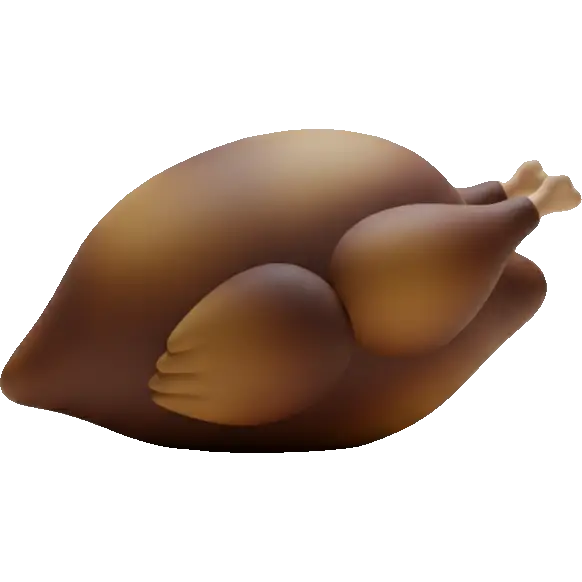
grouse
Meat
Is grouse high in histamine?
Is grouse high or low in histamine? See its exact rating, how much counts as a portion, and its FODMAP, salicylate, oxalate and diet compatibility in one place.

Related checkers
Compare grouse across criteria

Sensitivity notes
Why histamine food checker matters
Histamine is a compound naturally present in many foods, especially aged, fermented, or preserved items. In sensitive individuals, excess histamine can cause headaches, flushing, hives, digestive issues, and other symptoms. Your body normally breaks down histamine, but some people have reduced capacity to do so.
- Focus on fresh foods - histamine builds up as food ages
- Cook and eat meals fresh; avoid leftovers sitting more than 24 hours
- Be cautious with fermented foods, aged cheeses, and cured meats
- Consider that stress and hormones can affect your histamine tolerance
- Some antihistamines or DAO supplements may help (consult your doctor)

Sensitivities
What grouse contains
FODMAPs







Histamine & Amines



Plant compounds




Irritants




Additives



Allergens
















Diet fit
Where grouse fits
Therapeutic diets










Lifestyle diets









Religious diets






What to know about grouse
Grouse is chemically one of the quietest ingredients in this database. It is graded A on histamine, histamine liberation, tyramine, free glutamate, salicylate, oxalate, nickel, sulfite, nitrite, gluten, lactose, nightshade and every FODMAP group, and because it is a bird it carries no alpha-gal, so it stays available to people who have lost mammalian meat to a tick bite. What deserves a warning on a grouse page is not a food chemical at all. Red grouse cannot be farmed, so every bird on a plate was shot, and shot with lead: not only the pellets you can find with your fingers, but fine fragments that spread through the flesh around them.
Watch for
- Lead is the real issue with shot game birds.UK surveys have repeatedly found lead concentrations in game bird meat well above the maximum levels that apply to other meats, and the Food Standards Agency advises frequent eaters of lead-shot game, particularly children, pregnant women and women trying to conceive, to cut down. Picking out the visible pellets does not remove the fragments.
- This is a frequency question rather than a one-meal question.There is no threshold below which lead is considered beneficial, so the advice is about how often game is on your table, not about whether a single grouse dinner is dangerous.
- Steel and bismuth shot solve it, and some estates and retailers have moved to non-lead ammunition.It is worth asking, because it is the only variable here you can actually change.
- The clean amine grade describes a fresh bird.Grouse is traditionally hung for days to develop its flavour, and hanging is precisely how any meat accumulates histamine and tyramine. If well-hung game bothers you and fresh game does not, you are describing amines rather than a species reaction.
- The traditional plate carries more than the bird does.Grouse is served with bread sauce made from milk, onion and cloves, with bacon laid over the breast, game chips and a redcurrant or red wine gravy. That combination brings lactose, fructans, nitrites and sulfites to a meal whose main ingredient has none of them.
Explore related in Meat
Compare similar foods to build a personalized list of swaps that work for your system.
Histamine Guide
Everything you need to know about histamine sensitivity and smart food choices.
Histamine is a compound naturally present in many foods, especially aged, fermented, or preserved items. In sensitive individuals, excess histamine can cause headaches, flushing, hives, digestive issues, and other symptoms. Your body normally breaks down histamine, but some people have reduced capacity to do so.
Sensitivity varies widely. What triggers one person may be fine for another. Track your reactions to find your personal threshold.

These foods are generally well-tolerated for Histamine sensitivity:
View all safe options








These foods have moderate levels and may be tolerated in small amounts:




These foods are high in histamine and may trigger symptoms:
View full list



If you're sensitive to Histamine, consider these strategies:
- 1Focus on fresh foods - histamine builds up as food ages
- 2Cook and eat meals fresh; avoid leftovers sitting more than 24 hours
- 3Be cautious with fermented foods, aged cheeses, and cured meats
- 4Consider that stress and hormones can affect your histamine tolerance
- 5Some antihistamines or DAO supplements may help (consult your doctor)
Pro tip: Keep a food diary to track your reactions. The Triggerbites app makes this easy with automatic pattern detection.
Want personalized tracking?
Download Triggerbites to log meals, track symptoms, and discover your unique triggers.
Get the AppFAQ
Is grouse high in Histamine?
Histamine: low signal for most people.
Can I still eat grouse if I'm sensitive to Histamine?
Usually fine in normal portions.
What else should I check?
Check Vegan, Vegetarian, and Pescatarian next for a fuller picture.