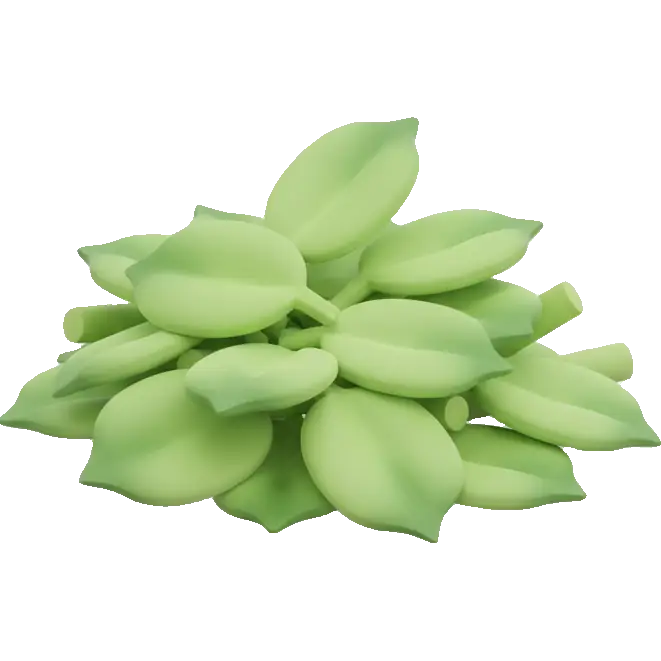
fava greens
Vegetables
Is fava greens high in histamine?
Is fava greens high or low in histamine? See its exact rating, how much counts as a portion, and its FODMAP, salicylate, oxalate and diet compatibility in one place.
Related checkers
Compare fava greens across criteria
Sensitivity notes
Why histamine food checker matters
Histamine is a compound naturally present in many foods, especially aged, fermented, or preserved items. In sensitive individuals, excess histamine can cause headaches, flushing, hives, digestive issues, and other symptoms. Your body normally breaks down histamine, but some people have reduced capacity to do so.
- Focus on fresh foods - histamine builds up as food ages
- Cook and eat meals fresh; avoid leftovers sitting more than 24 hours
- Be cautious with fermented foods, aged cheeses, and cured meats
- Consider that stress and hormones can affect your histamine tolerance
- Some antihistamines or DAO supplements may help (consult your doctor)
Sensitivities
What fava greens contains
FODMAPs
Histamine & Amines
Plant compounds
Irritants
Additives
Allergens
Diet fit
Where fava greens fits
Therapeutic diets
Lifestyle diets
Religious diets
What to know about fava greens
Fava greens are the leafy tops of the broad bean plant, blanched or sauteed in Greek and southern Italian kitchens and stir fried in southern China. As a trigger food the leaf is far gentler than the seed: fava beans grade high on total FODMAPs and GOS, while the greens sit only borderline on FODMAPs, fructans and GOS, and they carry no histamine, histamine liberator, gluten, lactose, nightshade, sulfite or glutamate flag at all. Salicylates and nickel read moderate, which is ordinary for a dark leafy green. The question people actually search is favism, and it deserves a straight answer: the vicine and convicine that cause hemolysis in G6PD deficiency are documented in the bean, hemolytic episodes have followed exposure to fava pollen as well as eating the beans, and the leaf has not been studied the same way. If you have G6PD deficiency, that uncertainty points to avoiding the plant rather than parsing it part by part.
Watch for
- Fructans, GOS and total FODMAPs all rate borderline.This is a legume leaf, not a lettuce, so a large cooked pile behaves more like a bean side than a salad. Start with a small portion when you are testing it.
- Favism (G6PD deficiency): vicine and convicine are concentrated in the fava seed, and reactions have even been reported after inhaling fava pollen.The greens are not well characterised, so treat the whole Vicia faba plant as off limits and take this to a clinician rather than to a grade.
- Salicylates read moderate, the usual range for a dark green.It only matters if you are stacking several salicylate rich greens in one day during an elimination trial.
- Nickel reads moderate.Legume plants pull nickel from soil efficiently, so this is one to log if you have systemic nickel allergy.
- No oxalate flag, which is the quiet advantage over spinach and chard.Fava greens are one of the few cooking greens that give you the texture without the oxalate load.


Explore related in Vegetables
Compare similar foods to build a personalized list of swaps that work for your system.



Histamine Guide
Everything you need to know about histamine sensitivity and smart food choices.
Histamine is a compound naturally present in many foods, especially aged, fermented, or preserved items. In sensitive individuals, excess histamine can cause headaches, flushing, hives, digestive issues, and other symptoms. Your body normally breaks down histamine, but some people have reduced capacity to do so.
Sensitivity varies widely. What triggers one person may be fine for another. Track your reactions to find your personal threshold.
These foods are generally well-tolerated for Histamine sensitivity:
View all safe options






These foods have moderate levels and may be tolerated in small amounts:







These foods are high in histamine and may trigger symptoms:
View full list



If you're sensitive to Histamine, consider these strategies:
- 1Focus on fresh foods - histamine builds up as food ages
- 2Cook and eat meals fresh; avoid leftovers sitting more than 24 hours
- 3Be cautious with fermented foods, aged cheeses, and cured meats
- 4Consider that stress and hormones can affect your histamine tolerance
- 5Some antihistamines or DAO supplements may help (consult your doctor)
Pro tip: Keep a food diary to track your reactions. The Triggerbites app makes this easy with automatic pattern detection.
Want personalized tracking?
Download Triggerbites to log meals, track symptoms, and discover your unique triggers.
Get the AppFAQ
Is fava greens high in Histamine?
Histamine: low signal for most people.
Can I still eat fava greens if I'm sensitive to Histamine?
Usually fine in normal portions.
What else should I check?
Check Low Fibre, Gastroparesis Diet, and FODMAPs next for a fuller picture.