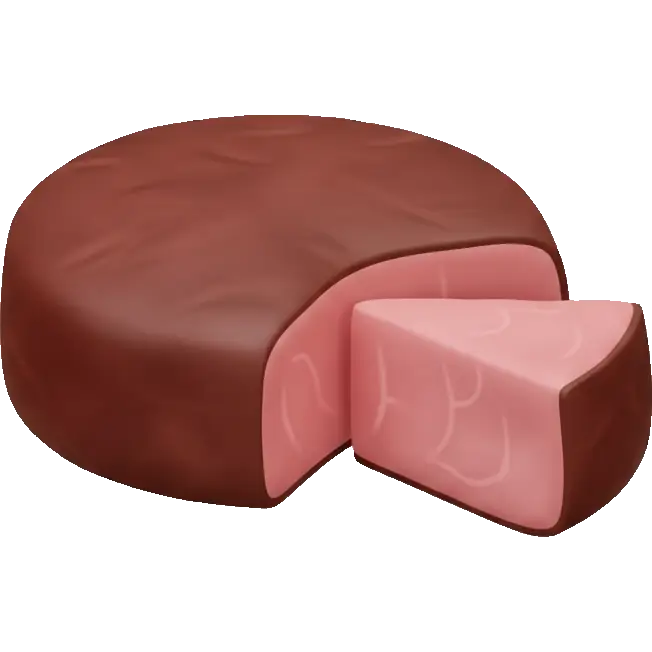
elk
Meat
Is elk high in histamine?
Is elk high or low in histamine? See its exact rating, how much counts as a portion, and its FODMAP, salicylate, oxalate and diet compatibility in one place.
Related checkers
Compare elk across criteria
Sensitivity notes
Why histamine food checker matters
Histamine is a compound naturally present in many foods, especially aged, fermented, or preserved items. In sensitive individuals, excess histamine can cause headaches, flushing, hives, digestive issues, and other symptoms. Your body normally breaks down histamine, but some people have reduced capacity to do so.
- Focus on fresh foods - histamine builds up as food ages
- Cook and eat meals fresh; avoid leftovers sitting more than 24 hours
- Be cautious with fermented foods, aged cheeses, and cured meats
- Consider that stress and hormones can affect your histamine tolerance
- Some antihistamines or DAO supplements may help (consult your doctor)
Sensitivities
What elk contains
FODMAPs
Histamine & Amines
Plant compounds
Irritants
Additives
Allergens
Diet fit
Where elk fits
Therapeutic diets
Lifestyle diets
Religious diets
What to know about elk
Elk grades clean straight across the food-chemistry chart: A on histamine, histamine liberation, tyramine, free glutamate, salicylate, nickel, sulfite, nitrite, gluten, lactose and all four FODMAP groups. As an ingredient it is about as inert as red meat gets, and that is exactly why it keeps turning up in elimination protocols as the red meat least likely to confound a result. What earns elk its own page is not chemistry at all. Elk sits at the centre of chronic wasting disease, the prion illness moving through North American deer and elk herds, and the precaution that follows is unlike anything else in a food journal: it is settled before the meat is ever cooked, because no cooking step can undo it.
Watch for
- Chronic wasting disease is a prion disease of the deer family and elk are one of its main hosts, in wild herds and on game farms across a widening list of US states and Canadian provinces.No human case has ever been confirmed, but the CDC advises hunters in affected areas to have the animal tested and not to eat meat from one that tests positive, and the WHO position is to keep any known prion-diseased animal out of the food chain.
- Prions are not a cooking problem, which is what makes this different from every other game-meat warning.Roasting, freezing, smoking, curing and dehydrating all leave them intact, so the safety habits people carry over from pork or bear do nothing here. The test result is the decision, not the internal temperature.
- Farmed elk and hunted elk are two different supply chains.Restaurant and retail elk comes from farms enrolled in herd certification and surveillance programmes; an animal you shot yourself is outside all of that unless you submit the head for testing.
- Elk is mammalian meat, so alpha-gal syndrome includes it, with the usual delay of a few hours between the meal and the reaction.
- Rifle-shot elk carries the same bullet fragmentation issue as wild venison, with fine lead particles landing well beyond the wound channel.Non-lead ammunition or farmed elk removes it.
- Elk velvet antler capsules are a joint supplement, not this food.If you take them, log them as their own entry rather than under elk.
- Oxalate is unrated rather than graded low here, so do not read the clean chart as an oxalate clearance.

Explore related in Meat
Compare similar foods to build a personalized list of swaps that work for your system.
Histamine Guide
Everything you need to know about histamine sensitivity and smart food choices.
Histamine is a compound naturally present in many foods, especially aged, fermented, or preserved items. In sensitive individuals, excess histamine can cause headaches, flushing, hives, digestive issues, and other symptoms. Your body normally breaks down histamine, but some people have reduced capacity to do so.
Sensitivity varies widely. What triggers one person may be fine for another. Track your reactions to find your personal threshold.
These foods are generally well-tolerated for Histamine sensitivity:
View all safe options







These foods have moderate levels and may be tolerated in small amounts:






These foods are high in histamine and may trigger symptoms:
View full list




If you're sensitive to Histamine, consider these strategies:
- 1Focus on fresh foods - histamine builds up as food ages
- 2Cook and eat meals fresh; avoid leftovers sitting more than 24 hours
- 3Be cautious with fermented foods, aged cheeses, and cured meats
- 4Consider that stress and hormones can affect your histamine tolerance
- 5Some antihistamines or DAO supplements may help (consult your doctor)
Pro tip: Keep a food diary to track your reactions. The Triggerbites app makes this easy with automatic pattern detection.
Want personalized tracking?
Download Triggerbites to log meals, track symptoms, and discover your unique triggers.
Get the AppFAQ
Is elk high in Histamine?
Histamine: low signal for most people.
Can I still eat elk if I'm sensitive to Histamine?
Usually fine in normal portions.
What else should I check?
Check Alpha-gal, Inflammation, and Vegan next for a fuller picture.