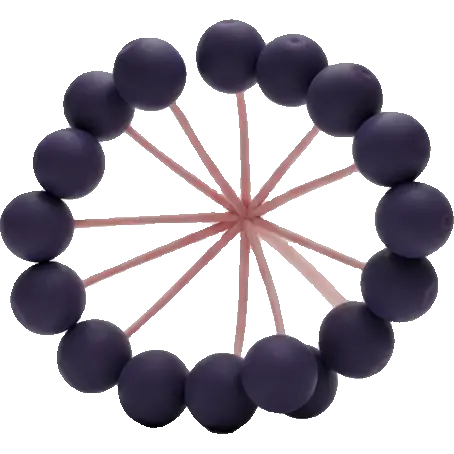
elderberry
Fruit
Is elderberry high in histamine?
Is elderberry high or low in histamine? See its exact rating, how much counts as a portion, and its FODMAP, salicylate, oxalate and diet compatibility in one place.
Related checkers
Compare elderberry across criteria
Sensitivity notes
Why histamine food checker matters
Histamine is a compound naturally present in many foods, especially aged, fermented, or preserved items. In sensitive individuals, excess histamine can cause headaches, flushing, hives, digestive issues, and other symptoms. Your body normally breaks down histamine, but some people have reduced capacity to do so.
- Focus on fresh foods - histamine builds up as food ages
- Cook and eat meals fresh; avoid leftovers sitting more than 24 hours
- Be cautious with fermented foods, aged cheeses, and cured meats
- Consider that stress and hormones can affect your histamine tolerance
- Some antihistamines or DAO supplements may help (consult your doctor)
Sensitivities
What elderberry contains
FODMAPs
Histamine & Amines
Plant compounds
Irritants
Additives
Allergens
Diet fit
Where elderberry fits
Therapeutic diets
Lifestyle diets
Religious diets
What to know about elderberry
Elderberry is one of the few fruits that comes with a genuine safety rule: raw elderberries, and above all the leaves, stems and unripe green fruit, contain cyanogenic glycosides, and juice pressed from the whole bunch has put people in hospital. Elderberry is a cooked food. Once it has been simmered into syrup, jam or cordial the berry itself is mild on our trigger data, graded B for histamine content and B for histamine liberation, B for salicylate and B for oxalate, with nothing high anywhere. Its FODMAP load is unrated, so if syrup upsets your gut the sugar it is dissolved in is the more likely variable than the fruit.
Watch for
- Raw elderberries are not a snack berry.The leaves, stems, bark and unripe green fruit carry the highest load of cyanogenic glycosides, and even ripe raw berries commonly cause nausea, vomiting and cramps in quantity. Heat is what makes them safe.
- The incident everyone cites is a 1983 gathering in Monterey County, California, where juice was pressed from elderberry bunches together with their leaves and branches.Eight people were flown to hospital with vomiting, cramps and weakness. Blood cyanide later tested normal, so the exact toxin was never pinned down, but the practical lesson held: use the ripe berries only, and cook them.
- Graded B on both histamine content and histamine liberation, so elderberry is borderline rather than clean.Fermented forms are a different question entirely: elderberry wine and a cordial left to age are a far bigger histamine load than a freshly made syrup.
- Salicylate B and oxalate B, both mild but not nil, which matters if you are stacking several fruits a day on a strict salicylate or oxalate protocol.
- FODMAP grades for elderberry are unrated in our data, and most people meet it as a commercial syrup or gummy that is mostly sugar or glucose syrup.That sugar load is its own gut trigger and is easy to mistake for the berry.
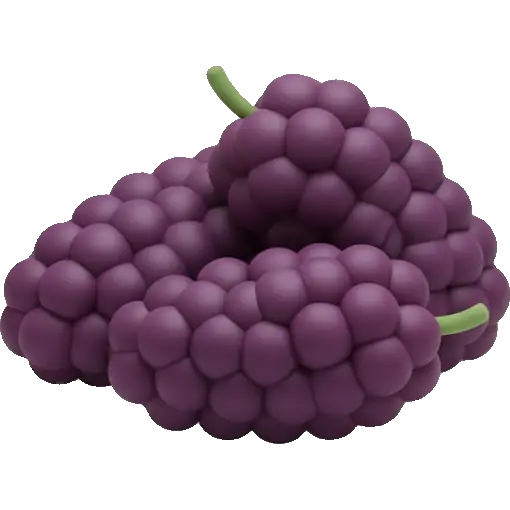
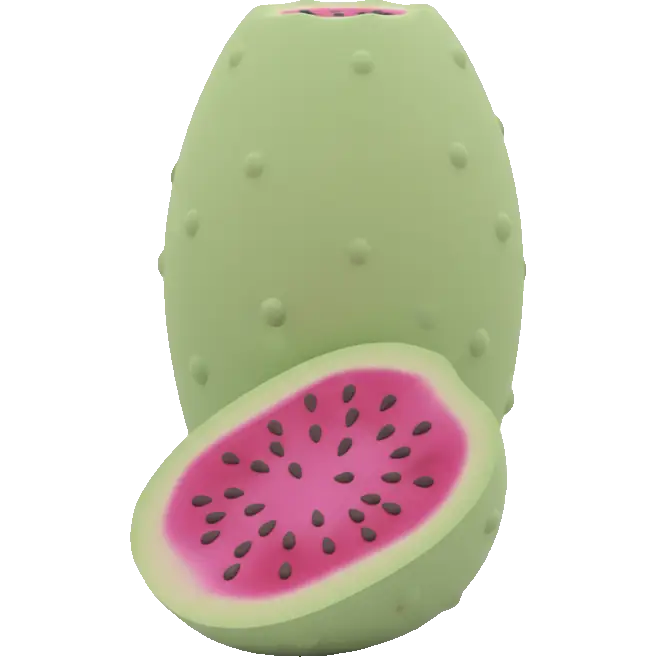
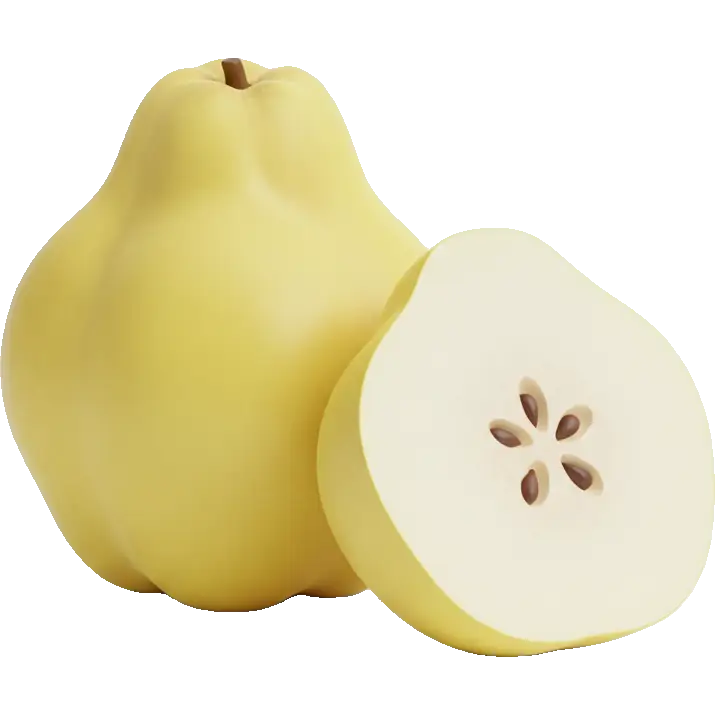




Explore related in Fruit
Compare similar foods to build a personalized list of swaps that work for your system.
Histamine Guide
Everything you need to know about histamine sensitivity and smart food choices.
Histamine is a compound naturally present in many foods, especially aged, fermented, or preserved items. In sensitive individuals, excess histamine can cause headaches, flushing, hives, digestive issues, and other symptoms. Your body normally breaks down histamine, but some people have reduced capacity to do so.
Sensitivity varies widely. What triggers one person may be fine for another. Track your reactions to find your personal threshold.
These foods are generally well-tolerated for Histamine sensitivity:
View all safe options





These foods have moderate levels and may be tolerated in small amounts:






These foods are high in histamine and may trigger symptoms:
View full list




If you're sensitive to Histamine, consider these strategies:
- 1Focus on fresh foods - histamine builds up as food ages
- 2Cook and eat meals fresh; avoid leftovers sitting more than 24 hours
- 3Be cautious with fermented foods, aged cheeses, and cured meats
- 4Consider that stress and hormones can affect your histamine tolerance
- 5Some antihistamines or DAO supplements may help (consult your doctor)
Pro tip: Keep a food diary to track your reactions. The Triggerbites app makes this easy with automatic pattern detection.
Want personalized tracking?
Download Triggerbites to log meals, track symptoms, and discover your unique triggers.
Get the AppFAQ
Is elderberry high in Histamine?
Histamine: moderate signal - portion size matters.
Can I still eat elderberry if I'm sensitive to Histamine?
Try smaller portions and space it out.
What else should I check?
Check Low Fibre, Gastroparesis Diet, and Keto next for a fuller picture.