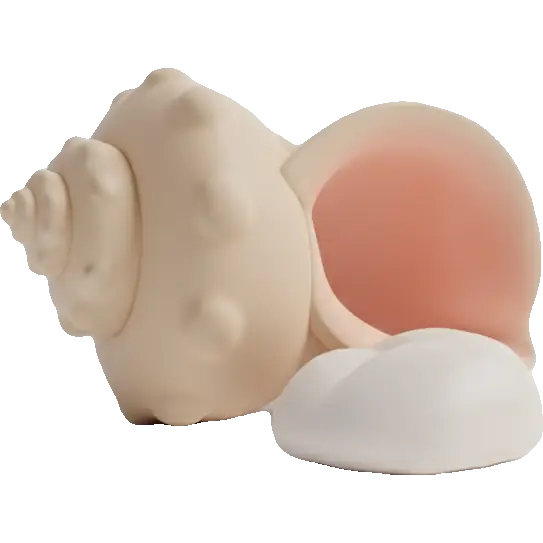
conch
Seafood
Is conch high in histamine?
Is conch high or low in histamine? See its exact rating, how much counts as a portion, and its FODMAP, salicylate, oxalate and diet compatibility in one place.
Related checkers
Compare conch across criteria
Sensitivity notes
Why histamine food checker matters
Histamine is a compound naturally present in many foods, especially aged, fermented, or preserved items. In sensitive individuals, excess histamine can cause headaches, flushing, hives, digestive issues, and other symptoms. Your body normally breaks down histamine, but some people have reduced capacity to do so.
- Focus on fresh foods - histamine builds up as food ages
- Cook and eat meals fresh; avoid leftovers sitting more than 24 hours
- Be cautious with fermented foods, aged cheeses, and cured meats
- Consider that stress and hormones can affect your histamine tolerance
- Some antihistamines or DAO supplements may help (consult your doctor)
Sensitivities
What conch contains
FODMAPs
Histamine & Amines
Plant compounds
Irritants
Additives
Allergens
Diet fit
Where conch fits
Therapeutic diets
Lifestyle diets
Religious diets
What to know about conch
Conch grades better than almost anything else with a shell. It is clean on gluten, lactose, every FODMAP fraction, salicylates, oxalates, nickel, sulfites, nitrites, free glutamate, lectins and tyramine, it is not a histamine liberator, and its histamine grade is only borderline. So when conch makes someone ill, the trigger is usually not food chemistry at all. It is either the mollusc protein, because conch is a large sea snail and molluscs are their own declarable allergen group separate from crustaceans, or it is bacteria, because the signature Caribbean preparation is raw. Conch salad is uncooked conch dressed in citrus and pepper, and citrus does not sterilise anything.
Watch for
- Raw conch salad is the main real-world hazard, and the organism behind it is usually Vibrio parahaemolyticus, a marine bacterium that lives on the shell surface rather than arriving from contamination.Bahamian food safety alerts have repeatedly gone out after clusters of cases traced to raw conch. Onset runs anywhere from about four hours to four days, with watery diarrhoea, cramping, nausea and fever
- The lime does not cook it.Citrus denatures the surface proteins and turns the flesh opaque, which is why conch salad and ceviche look cooked, but acid at that strength does not reliably kill Vibrio. Rinsing under clean running fresh water removes a lot of what sits on the surface, and actual heat is the only thing that settles the question
- Borderline histamine (B), which is lower than most shellfish carry.Conch is often sold frozen and is naturally slow to spoil in the shell, so the grade sits below the moderate band that clams, crab and oysters occupy
- Cracked conch and conch fritters are wheat-batter foods.The conch itself is naturally gluten free, but the two dishes almost everyone actually orders are dredged or battered in flour and deep fried in shared oil, which changes the answer completely on a coeliac or gluten free plan
- Not vegan or vegetarian

Explore related in Seafood
Compare similar foods to build a personalized list of swaps that work for your system.
Histamine Guide
Everything you need to know about histamine sensitivity and smart food choices.
Histamine is a compound naturally present in many foods, especially aged, fermented, or preserved items. In sensitive individuals, excess histamine can cause headaches, flushing, hives, digestive issues, and other symptoms. Your body normally breaks down histamine, but some people have reduced capacity to do so.
Sensitivity varies widely. What triggers one person may be fine for another. Track your reactions to find your personal threshold.
These foods are generally well-tolerated for Histamine sensitivity:
View all safe options







These foods have moderate levels and may be tolerated in small amounts:





These foods are high in histamine and may trigger symptoms:
View full list





If you're sensitive to Histamine, consider these strategies:
- 1Focus on fresh foods - histamine builds up as food ages
- 2Cook and eat meals fresh; avoid leftovers sitting more than 24 hours
- 3Be cautious with fermented foods, aged cheeses, and cured meats
- 4Consider that stress and hormones can affect your histamine tolerance
- 5Some antihistamines or DAO supplements may help (consult your doctor)
Pro tip: Keep a food diary to track your reactions. The Triggerbites app makes this easy with automatic pattern detection.
Want personalized tracking?
Download Triggerbites to log meals, track symptoms, and discover your unique triggers.
Get the AppFAQ
Is conch high in Histamine?
Histamine: moderate signal - portion size matters.
Can I still eat conch if I'm sensitive to Histamine?
Try smaller portions and space it out.
What else should I check?
Check Molluscs, Vegan, and Vegetarian next for a fuller picture.