 Back to Histamine food checker
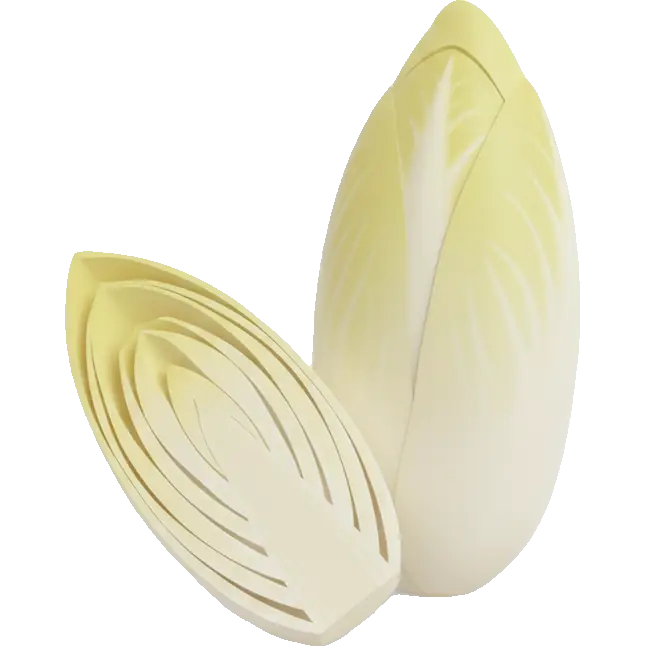
belgian endive
Vegetables
Is belgian endive high in histamine?
Is belgian endive high or low in histamine? See its exact rating, how much counts as a portion, and its FODMAP, salicylate, oxalate and diet compatibility in one place.

Related checkers
Compare belgian endive across criteria

Sensitivity notes
Why histamine food checker matters
Histamine is a compound naturally present in many foods, especially aged, fermented, or preserved items. In sensitive individuals, excess histamine can cause headaches, flushing, hives, digestive issues, and other symptoms. Your body normally breaks down histamine, but some people have reduced capacity to do so.
- Focus on fresh foods - histamine builds up as food ages
- Cook and eat meals fresh; avoid leftovers sitting more than 24 hours
- Be cautious with fermented foods, aged cheeses, and cured meats
- Consider that stress and hormones can affect your histamine tolerance
- Some antihistamines or DAO supplements may help (consult your doctor)

Sensitivities
What belgian endive contains
FODMAPs







Histamine & Amines



Plant compounds




Irritants




Additives



Allergens
















Diet fit
Where belgian endive fits
Therapeutic diets










Lifestyle diets









Religious diets






What to know about belgian endive
Belgian endive is a chicory taproot forced into growth in complete darkness, which is why the head is a pale tightly furled torpedo instead of a green leafy plant. That growing method is also the reason it is such a clean food in a trigger journal: it grades A on every criterion we track, histamine, salicylate, oxalate, nickel, glutamate, sulfites, tyramine, gluten and all four FODMAP subgroups included. That surprises people who have been told chicory is high FODMAP, but the inulin that makes chicory root a problem is stored in the taproot, and the chicon you eat is leaf, not root. Belgian endive is also graded separately from leafy endive, which carries a much heavier salicylate load.
Watch for
- Do not confuse the leaf with chicory root fibre.Chicory root inulin, chicory root extract and chicory coffee are concentrated fructans and behave very differently in a sensitive gut than the blanched leaf does. If a protein bar or a coffee substitute lists chicory, that is the root, not this vegetable.
- Belgian endive and leafy endive are not interchangeable in a salicylate elimination.The open leafy endive entry grades high in salicylates while the forced chicon grades clean, so log the two separately rather than treating endive as one food.
- The classic preparations are the risk, not the vegetable.Endives au jambon buries the chicons in ham, bechamel and gratineed cheese, all of which bring dairy protein, lactose and cured-meat histamine into a dish whose vegetable is spotless.
- The bitterness comes from sesquiterpene lactones, which is why endive can taste harsh raw and mellow when braised.Bitterness is not a trigger signal here, it is just the plant.




Explore related in Vegetables
Compare similar foods to build a personalized list of swaps that work for your system.


Histamine Guide
Everything you need to know about histamine sensitivity and smart food choices.
Histamine is a compound naturally present in many foods, especially aged, fermented, or preserved items. In sensitive individuals, excess histamine can cause headaches, flushing, hives, digestive issues, and other symptoms. Your body normally breaks down histamine, but some people have reduced capacity to do so.
Sensitivity varies widely. What triggers one person may be fine for another. Track your reactions to find your personal threshold.

These foods are generally well-tolerated for Histamine sensitivity:
View all safe options







These foods have moderate levels and may be tolerated in small amounts:




These foods are high in histamine and may trigger symptoms:
View full list



If you're sensitive to Histamine, consider these strategies:
- 1Focus on fresh foods - histamine builds up as food ages
- 2Cook and eat meals fresh; avoid leftovers sitting more than 24 hours
- 3Be cautious with fermented foods, aged cheeses, and cured meats
- 4Consider that stress and hormones can affect your histamine tolerance
- 5Some antihistamines or DAO supplements may help (consult your doctor)
Pro tip: Keep a food diary to track your reactions. The Triggerbites app makes this easy with automatic pattern detection.
Want personalized tracking?
Download Triggerbites to log meals, track symptoms, and discover your unique triggers.
Get the AppFAQ
Is belgian endive high in Histamine?
Histamine: low signal for most people.
Can I still eat belgian endive if I'm sensitive to Histamine?
Usually fine in normal portions.
What else should I check?
Check Gastroparesis Diet, Low Fibre, and Histamine Liberators next for a fuller picture.