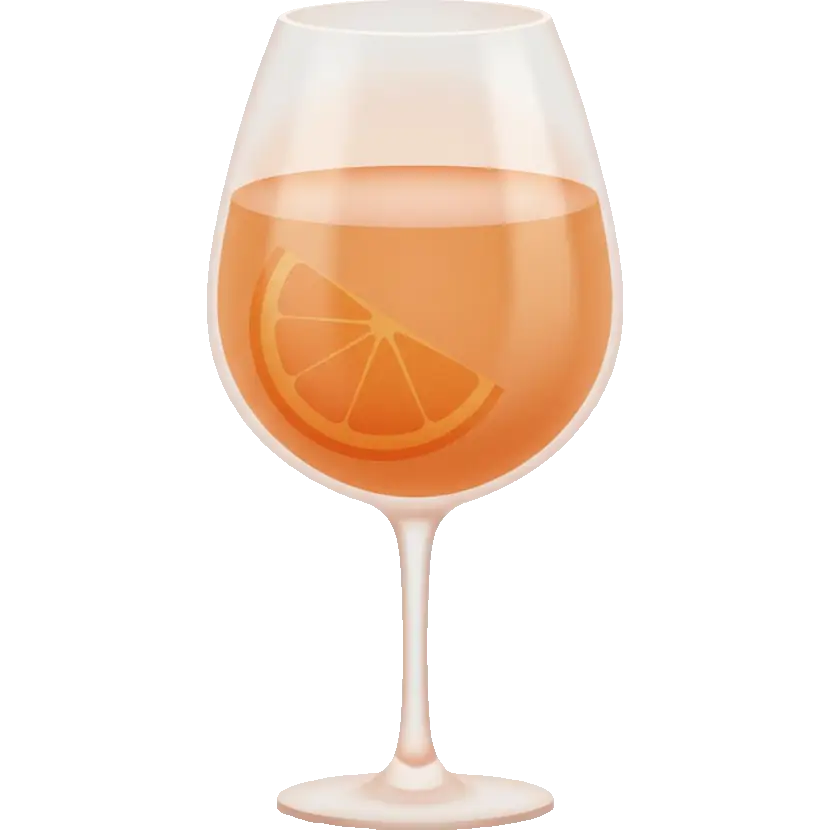
aperol
Beverages
Is aperol high in gos?
Is aperol high or low in gos? See its exact rating, how much counts as a portion, and its FODMAP, salicylate, oxalate and diet compatibility in one place.
Related checkers
Compare aperol across criteria
Sensitivity notes
Why gos food checker matters
Galacto-oligosaccharides (GOS) are carbohydrates found mainly in legumes and some vegetables. They're a FODMAP that can ferment in the gut, causing bloating and discomfort in sensitive people.
- Canned and rinsed legumes are lower in GOS than dried
- Start with smaller portions and build up tolerance
- Some people find beano-type enzymes helpful
- Firm tofu is lower in GOS than silken tofu
- Sprouted legumes may be better tolerated
Sensitivities
What aperol contains
FODMAPs
Histamine & Amines
Plant compounds
Irritants
Additives
Allergens
Diet fit
Where aperol fits
Therapeutic diets
Lifestyle diets
Religious diets
What to know about aperol
Aperol is the pale orange Italian aperitivo, bittered with rhubarb, gentian, cinchona and bitter orange and bottled at only 11 percent alcohol, roughly half the strength of most bitters. That low proof is why people assume it is the gentle option, and it is why the grades are worth reading carefully: it still comes out histamine D, with moderate tyramine (C), moderate sulfites (C) and moderate salicylates (C) from the botanical bitters themselves. The bigger issue is how almost nobody drinks it neat. The spritz is three parts prosecco to two parts Aperol and a splash of soda, so most of the glass is sparkling wine, and sparkling wine brings its own histamine and its own sulfites on top of everything the Aperol contributes. Its colour is also worth knowing about: the orange is not fruit, it is added E110 and E124, two azo dyes that carry a labelled warning in the EU.
Watch for
- Histamine D despite the low alcohol.Eleven percent ABV means you can drink several without feeling drunk, which for an amine-sensitive person is the wrong kind of easy
- Read the spritz, not the bottle.At the standard three to two to one ratio the prosecco is the largest ingredient, so a spritz is really a sparkling wine exposure with a bitter liqueur in it
- Salicylate C, from the rhubarb, gentian and bitter orange in the infusion.Aperol is a genuinely botanical bitter, and that is a different profile from the sugar-and-alcohol drinks it sits beside on a menu
- The colour is added dye, E110 (sunset yellow) and E124 (ponceau 4R).Both are azo colours, and EU labelling rules require products containing them to warn that they may have an adverse effect on activity and attention in children
- The label also declares quinine as a flavouring, the same bitter compound as in tonic water, which matters if you have been told to avoid quinine
- Moderate FODMAPs and excess fructose (both C) from the sugar.Aperol is a sweet bitter, and a spritz is not a low sugar drink




Explore related in Beverages
Compare similar foods to build a personalized list of swaps that work for your system.

GOS Guide
Everything you need to know about gos sensitivity and smart food choices.
Galacto-oligosaccharides (GOS) are carbohydrates found mainly in legumes and some vegetables. They're a FODMAP that can ferment in the gut, causing bloating and discomfort in sensitive people.
Sensitivity varies widely. What triggers one person may be fine for another. Track your reactions to find your personal threshold.
These foods are generally well-tolerated for GOS sensitivity:
View all safe options





These foods have moderate levels and may be tolerated in small amounts:




These foods are high in gos and may trigger symptoms:
View full list

If you're sensitive to GOS, consider these strategies:
- 1Canned and rinsed legumes are lower in GOS than dried
- 2Start with smaller portions and build up tolerance
- 3Some people find beano-type enzymes helpful
- 4Firm tofu is lower in GOS than silken tofu
- 5Sprouted legumes may be better tolerated
Pro tip: Keep a food diary to track your reactions. The Triggerbites app makes this easy with automatic pattern detection.
Want personalized tracking?
Download Triggerbites to log meals, track symptoms, and discover your unique triggers.
Get the AppFAQ
Is aperol high in GOS?
GOS: higher signal - consider smaller servings or swaps.
Can I still eat aperol if I'm sensitive to GOS?
Best to avoid or test carefully with a small amount.
What else should I check?
Check AIP, Reflux Diet, and Specific Carbohydrate next for a fuller picture.