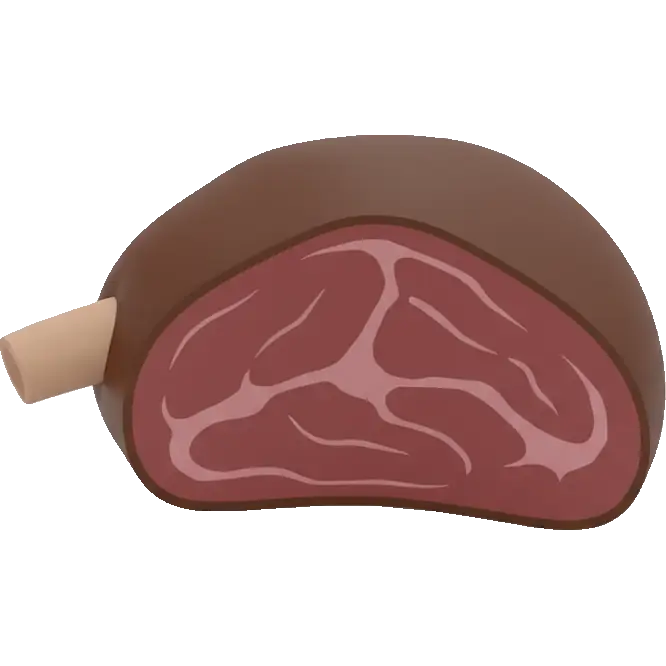
wild boar
Meat
Is wild boar high in gluten?
Is wild boar high or low in gluten? See its exact rating, how much counts as a portion, and its FODMAP, salicylate, oxalate and diet compatibility in one place.
Related checkers
Compare wild boar across criteria
Sensitivity notes
Why gluten food checker matters
Gluten is a protein found in wheat, barley, rye, and their derivatives. People with celiac disease, gluten sensitivity, or wheat allergy need to avoid gluten to prevent digestive and systemic symptoms.
- Learn to read labels carefully - gluten hides in many products
- Be aware of cross-contamination in shared kitchens and restaurants
- Look for certified gluten-free products for safety
- Oats are naturally gluten-free but often cross-contaminated
- Give your gut time to heal - improvement may take months
Sensitivities
What wild boar contains
FODMAPs
Histamine & Amines
Plant compounds
Irritants
Additives
Allergens
Diet fit
Where wild boar fits
Therapeutic diets
Lifestyle diets
Religious diets
What to know about wild boar
Wild boar and the plain boar entry are the same animal recorded in two different states, and the grades say so. Boar is marked mild for histamine; wild boar is marked moderate, and picks up mild marks for histamine liberation, tyramine and free glutamate that the other row does not carry. That is not the data contradicting itself. It is the difference between a carcass butchered promptly and the wild boar most people actually buy, which was shot, field dressed, hung at a game dealer and then vacuum packed for a week before it reached a counter. Amines build at every one of those stages. Everything outside the amine column stays clean: no gluten, no lactose, no FODMAPs, no salicylate, oxalate, nickel, sulfite or added nitrite in the fresh meat.
Watch for
- Ask how long it hung.Hanging and long vacuum-packed chilled storage are what put this row above the plain boar row, and both are invisible on the label. Buy it dated and freeze on the day if amines are what you track.
- Braising does not help.Wild boar is nearly always cooked long and slow in red wine, and histamine and tyramine are heat stable, so the meat keeps its amine load while the wine adds histamine and sulfites on top.
- If farmed pork sits fine and wild boar does not, this grade difference is the likeliest explanation, not the species.They are the same animal, so an alpha-gal reaction or a genuine pork protein allergy would hit both.
- Wild boar in parts of Bavaria and central Europe still carries elevated radiocaesium decades after Chernobyl, because boar root for deer truffles that concentrate caesium underground.A 2023 isotope analysis attributed a large share of it to nuclear weapons fallout from the 1960s rather than to Chernobyl alone. Animals taken in those zones are measured before sale.
- The parasite cautions from the boar entry apply here in full.Cook it through to an internal 74C (165F) with a probe, and take particular care with liver and with raw or lightly cured liver sausage.
- Cured cinghiale salami and wild boar prosciutto are a different food again, with fermentation, long drying and a nitrite cure stacked on top of an already moderate amine grade.

Explore related in Meat
Compare similar foods to build a personalized list of swaps that work for your system.
Gluten Guide
Everything you need to know about gluten sensitivity and smart food choices.
Gluten is a protein found in wheat, barley, rye, and their derivatives. People with celiac disease, gluten sensitivity, or wheat allergy need to avoid gluten to prevent digestive and systemic symptoms.
Sensitivity varies widely. What triggers one person may be fine for another. Track your reactions to find your personal threshold.
These foods are generally well-tolerated for Gluten sensitivity:
View all safe options







These foods have moderate levels and may be tolerated in small amounts:


These foods are high in gluten and may trigger symptoms:
View full list


If you're sensitive to Gluten, consider these strategies:
- 1Learn to read labels carefully - gluten hides in many products
- 2Be aware of cross-contamination in shared kitchens and restaurants
- 3Look for certified gluten-free products for safety
- 4Oats are naturally gluten-free but often cross-contaminated
- 5Give your gut time to heal - improvement may take months
Pro tip: Keep a food diary to track your reactions. The Triggerbites app makes this easy with automatic pattern detection.
Want personalized tracking?
Download Triggerbites to log meals, track symptoms, and discover your unique triggers.
Get the AppFAQ
Is wild boar high in Gluten?
Gluten: low signal for most people.
Can I still eat wild boar if I'm sensitive to Gluten?
Usually fine in normal portions.
What else should I check?
Check Alpha-gal, Vegan, and Vegetarian next for a fuller picture.