
prawn
Seafood
Is prawn high in gluten?
Is prawn high or low in gluten? See its exact rating, how much counts as a portion, and its FODMAP, salicylate, oxalate and diet compatibility in one place.
Related checkers
Compare prawn across criteria
Sensitivity notes
Why gluten food checker matters
Gluten is a protein found in wheat, barley, rye, and their derivatives. People with celiac disease, gluten sensitivity, or wheat allergy need to avoid gluten to prevent digestive and systemic symptoms.
- Learn to read labels carefully - gluten hides in many products
- Be aware of cross-contamination in shared kitchens and restaurants
- Look for certified gluten-free products for safety
- Oats are naturally gluten-free but often cross-contaminated
- Give your gut time to heal - improvement may take months
Sensitivities
What prawn contains
FODMAPs
Histamine & Amines
Plant compounds
Irritants
Additives
Allergens
Diet fit
Where prawn fits
Therapeutic diets
Lifestyle diets
Religious diets
What to know about prawn
Prawn is the British and Commonwealth name for what Americans call shrimp, and the trigger story is the same crustacean tale. Prawns are one of the major shellfish allergens, and they are routinely dipped in sulfites such as sodium metabisulfite at sea or in processing to stop the harmless black spotting called melanosis. That sulfite residue is a genuine trigger for sulfite-sensitive and asthmatic people. On top of that, prawn flesh accumulates moderate histamine as it sits, so how fresh and how cold it was kept matters as much as the packet label.
Watch for
- A top crustacean shellfish allergen, capable of a true IgE-mediated allergy that is separate from any sulfite or histamine reaction
- Frequently preserved with sulfites to prevent black spot, and that residue can set off wheezing, hives or flushing in sulfite-sensitive and asthmatic people
- Moderate histamine that climbs as prawns age, so older or poorly chilled prawns are riskier for anyone with histamine intolerance
- Moderate nickel, a minor consideration for people with systemic nickel allergy



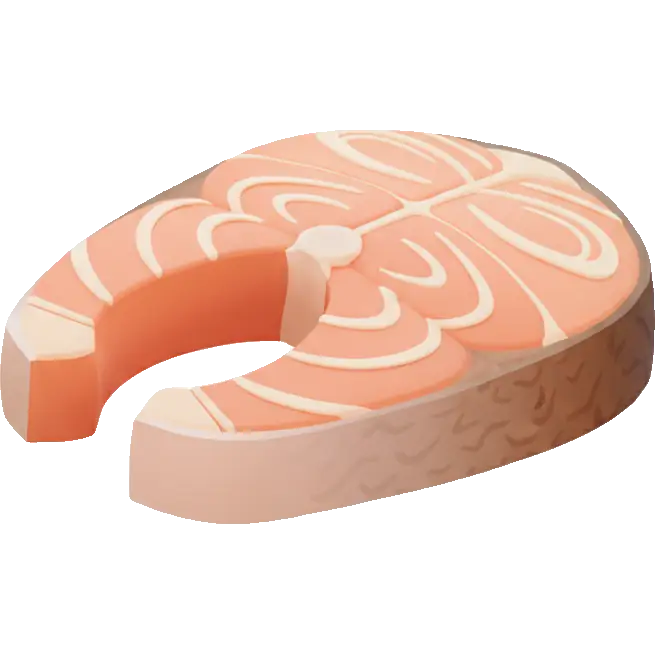


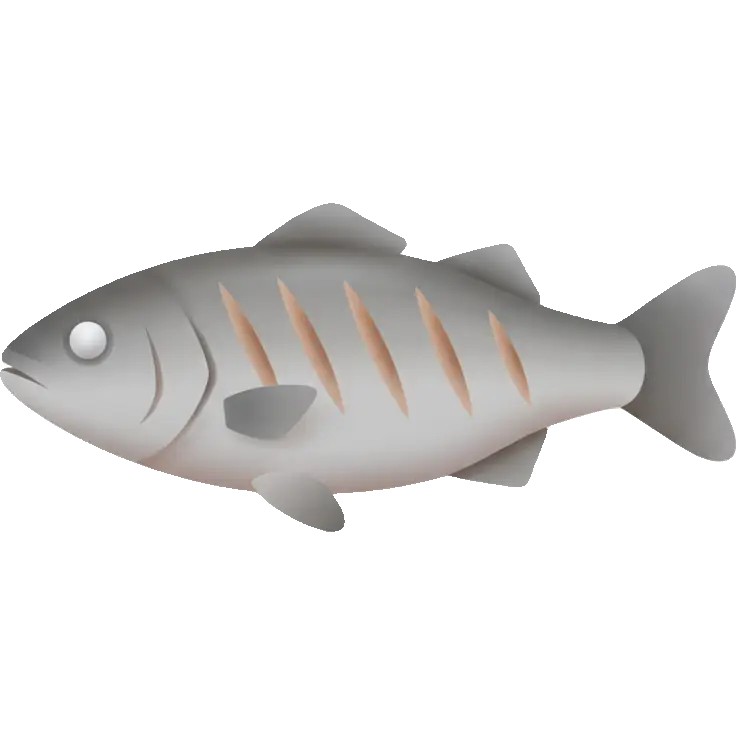

Explore related in Seafood
Compare similar foods to build a personalized list of swaps that work for your system.



Gluten Guide
Everything you need to know about gluten sensitivity and smart food choices.
Gluten is a protein found in wheat, barley, rye, and their derivatives. People with celiac disease, gluten sensitivity, or wheat allergy need to avoid gluten to prevent digestive and systemic symptoms.
Sensitivity varies widely. What triggers one person may be fine for another. Track your reactions to find your personal threshold.
These foods are generally well-tolerated for Gluten sensitivity:
View all safe options







These foods have moderate levels and may be tolerated in small amounts:




These foods are high in gluten and may trigger symptoms:
View full list





If you're sensitive to Gluten, consider these strategies:
- 1Learn to read labels carefully - gluten hides in many products
- 2Be aware of cross-contamination in shared kitchens and restaurants
- 3Look for certified gluten-free products for safety
- 4Oats are naturally gluten-free but often cross-contaminated
- 5Give your gut time to heal - improvement may take months
Pro tip: Keep a food diary to track your reactions. The Triggerbites app makes this easy with automatic pattern detection.
Want personalized tracking?
Download Triggerbites to log meals, track symptoms, and discover your unique triggers.
Get the AppFAQ
Is prawn high in Gluten?
Gluten: low signal for most people.
Can I still eat prawn if I'm sensitive to Gluten?
Usually fine in normal portions.
What else should I check?
Check Crustaceans, Vegan, and Vegetarian next for a fuller picture.