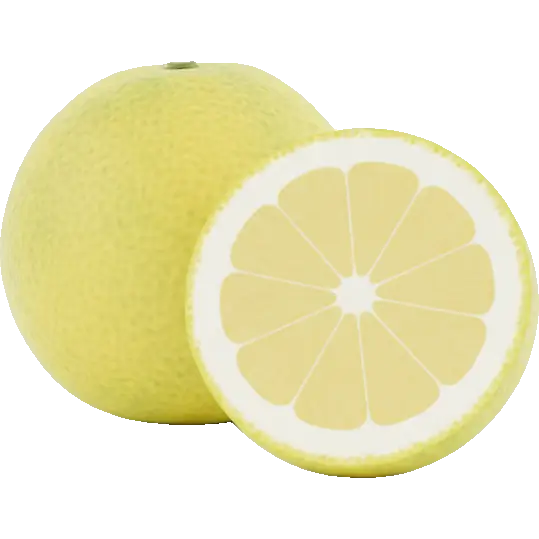
yuzu
Fruit
Is yuzu eoe compatible-compatible?
See whether yuzu fits an eoe compatible diet, with a clear compatible-or-avoid verdict plus its FODMAP, histamine and other trigger ratings in one place.
Related checkers
Compare yuzu across criteria
Sensitivity notes
Why eoe compatible diet checker matters
Eosinophilic Esophagitis (EoE) dietary management often involves eliminating common trigger foods including dairy, wheat, eggs, soy, nuts, and seafood. The six-food elimination diet is commonly used to identify personal triggers.
- The six-food elimination diet removes dairy, wheat, eggs, soy, nuts, and seafood
- Systematic reintroduction with endoscopy helps identify triggers
- Milk/dairy is the most common trigger
- Work closely with your gastroenterologist and allergist
- Elemental diet may be used in severe cases
Sensitivities
What yuzu contains
FODMAPs
Histamine & Amines
Plant compounds
Irritants
Additives
Allergens
Diet fit
Where yuzu fits
Therapeutic diets
Lifestyle diets
Religious diets
What to know about yuzu
Yuzu is the knobbly Japanese citrus grown for its aromatic peel and sharp juice rather than for eating: the flesh is seedy and scant, and a whole fruit might yield a tablespoon. That matters for triggers, because yuzu turns up in teaspoon quantities. Nothing in its profile grades high. Histamine, histamine liberation, salicylate, oxalate, nickel, tyramine and glutamates all sit at B, the mild band, and it notably escapes the histamine liberator D that lemon and lime both carry. That is why yuzu earns a place as the citrus note on pages where lemon would be a bad idea.
Watch for
- The whole rated profile is mild (B), with no criterion in the high band.Yuzu is one of the genuinely quiet citrus options rather than a food with a hidden trigger
- Lemon and lime grade D as histamine liberators.Yuzu grades B, so it is the better acid squeeze if citrus has been setting off flushing or itching, though citrus as a class appears on histamine caution lists and is worth confirming for yourself
- FODMAP data for yuzu is unrated.Given that normal use is a squeeze of juice or a shaving of zest, the realistic FODMAP dose is tiny, but do not read the missing grade as a tested low
- Salicylates concentrate in citrus peel, and yuzu is used mostly as peel.The B grade describes the fruit, so grated zest, yuzu marmalade and rind-heavy preparations deliver more per gram than the number suggests
- Prepared yuzu products carry their own triggers: yuzu kosho is fermented with salt and chilli (fermentation raises histamine, chilli is a nightshade), yuzu-cha is mostly sugar and rind, and bottled ponzu adds soy, wheat and usually bonito or kombu, which pushes glutamates up




Explore related in Fruit
Compare similar foods to build a personalized list of swaps that work for your system.
EoE Compatible Guide
Everything you need to know about eoe compatible compatibility and smart food choices.
Eosinophilic Esophagitis (EoE) dietary management often involves eliminating common trigger foods including dairy, wheat, eggs, soy, nuts, and seafood. The six-food elimination diet is commonly used to identify personal triggers.
These foods are typically compatible with a EoE Compatible approach:
View all safe options





Practical guidance for following a EoE Compatible diet:
- 1The six-food elimination diet removes dairy, wheat, eggs, soy, nuts, and seafood
- 2Systematic reintroduction with endoscopy helps identify triggers
- 3Milk/dairy is the most common trigger
- 4Work closely with your gastroenterologist and allergist
- 5Elemental diet may be used in severe cases
Pro tip: Keep a food diary to track your reactions. The Triggerbites app makes this easy with automatic pattern detection.
Want personalized tracking?
Download Triggerbites to log meals, track symptoms, and discover your unique triggers.
Get the AppFAQ
Does yuzu fit an eoe compatible diet?
EoE Compatible: fits well for most plans.
What if I eat it occasionally?
Still check preparation and add-ins.
What are safer swaps?
Compare within the Fruit group.