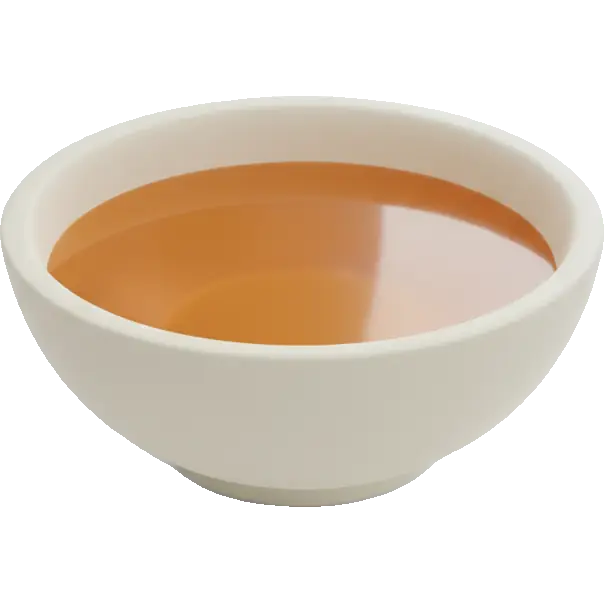
tung oil
Oils & Fats
Is tung oil eoe compatible-compatible?
See whether tung oil fits an eoe compatible diet, with a clear compatible-or-avoid verdict plus its FODMAP, histamine and other trigger ratings in one place.
Related checkers
Compare tung oil across criteria
Sensitivity notes
Why eoe compatible diet checker matters
Eosinophilic Esophagitis (EoE) dietary management often involves eliminating common trigger foods including dairy, wheat, eggs, soy, nuts, and seafood. The six-food elimination diet is commonly used to identify personal triggers.
- The six-food elimination diet removes dairy, wheat, eggs, soy, nuts, and seafood
- Systematic reintroduction with endoscopy helps identify triggers
- Milk/dairy is the most common trigger
- Work closely with your gastroenterologist and allergist
- Elemental diet may be used in severe cases
Sensitivities
What tung oil contains
FODMAPs
Histamine & Amines
Plant compounds
Irritants
Additives
Allergens
Diet fit
Where tung oil fits
Therapeutic diets
Lifestyle diets
Religious diets
What to know about tung oil
Tung oil is not a food, and that is the entire point of this page. It is pressed from the nut of Vernicia fordii and used as a wood finish, valued because it polymerises on contact with air into a hard, water resistant film. It is in this database because it appears in ingredient lists and because people searching for it are usually asking one specific question: whether a tung oil finish on a chopping board or a wooden bowl is safe for food contact. That is a genuinely reasonable question with a genuinely nuanced answer. What it is not is a cooking oil, and it should never be swallowed.
Watch for
- Do not ingest it.Tung oil is a drying oil, not an edible one, and swallowing it causes gastrointestinal upset, vomiting and diarrhoea. There is no culinary use and no quantity that is intended to be eaten. The swap suggestions on this page are edible oils offered for anyone who arrived here looking for one, not equivalents.
- The food contact question turns on curing.Pure, fully cured tung oil is widely regarded as food safe for wooden surfaces once it has polymerised, which takes days to weeks rather than hours. Uncured oil is not, and rushing the cure is the actual mistake people make.
- Most products sold as tung oil are not pure tung oil.Tung oil finish typically contains petroleum distillates and metallic driers, and those additives are the reason a given tin may not be food safe even when the base oil would be.
- Vernicia is in the Euphorbiaceae, the spurge family, and so is a relative of the castor bean rather than of any culinary nut.The word nut in tung nut is misleading in exactly the way that matters.
- It is not a tree nut allergen in the labelling sense, since it is not a food, but the residue question on a finished surface is worth raising with an allergist rather than assuming.

Explore related in Oils & Fats
Compare similar foods to build a personalized list of swaps that work for your system.

EoE Compatible Guide
Everything you need to know about eoe compatible compatibility and smart food choices.
Eosinophilic Esophagitis (EoE) dietary management often involves eliminating common trigger foods including dairy, wheat, eggs, soy, nuts, and seafood. The six-food elimination diet is commonly used to identify personal triggers.
These foods are typically compatible with a EoE Compatible approach:
View all safe options







Practical guidance for following a EoE Compatible diet:
- 1The six-food elimination diet removes dairy, wheat, eggs, soy, nuts, and seafood
- 2Systematic reintroduction with endoscopy helps identify triggers
- 3Milk/dairy is the most common trigger
- 4Work closely with your gastroenterologist and allergist
- 5Elemental diet may be used in severe cases
Pro tip: Keep a food diary to track your reactions. The Triggerbites app makes this easy with automatic pattern detection.
Want personalized tracking?
Download Triggerbites to log meals, track symptoms, and discover your unique triggers.
Get the AppFAQ
Does tung oil fit an eoe compatible diet?
EoE Compatible: fits well for most plans.
What if I eat it occasionally?
Still check preparation and add-ins.
What are safer swaps?
Compare within the Oils & Fats group.