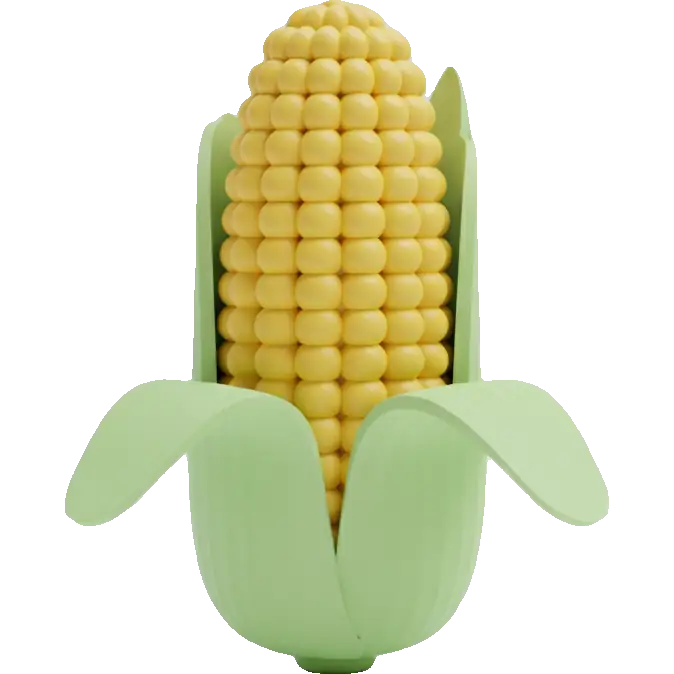
sweet corn
Vegetables
Is sweet corn eoe compatible-compatible?
See whether sweet corn fits an eoe compatible diet, with a clear compatible-or-avoid verdict plus its FODMAP, histamine and other trigger ratings in one place.
Related checkers
Compare sweet corn across criteria
Sensitivity notes
Why eoe compatible diet checker matters
Eosinophilic Esophagitis (EoE) dietary management often involves eliminating common trigger foods including dairy, wheat, eggs, soy, nuts, and seafood. The six-food elimination diet is commonly used to identify personal triggers.
- The six-food elimination diet removes dairy, wheat, eggs, soy, nuts, and seafood
- Systematic reintroduction with endoscopy helps identify triggers
- Milk/dairy is the most common trigger
- Work closely with your gastroenterologist and allergist
- Elemental diet may be used in severe cases
Sensitivities
What sweet corn contains
FODMAPs
Histamine & Amines
Plant compounds
Irritants
Additives
Allergens
Diet fit
Where sweet corn fits
Therapeutic diets
Lifestyle diets
Religious diets
What to know about sweet corn
Sweet corn, on the cob or as loose kernels, is the fresh vegetable form of corn, and it is clean on histamine, salicylates, gluten and free glutamates. Unlike processed corn products, the fresh vegetable does not carry a meaningful glutamate or salicylate load, so its one real quirk is FODMAPs. Sweet corn is moderate and portion-sensitive by the cob: a small serving is usually fine while a whole cob can bring on gas and bloating in a reactive gut. The tough skin on each kernel is also largely indigestible, which is why whole kernels sometimes appear in stool. That is normal fibre, not malabsorption.
Watch for
- Moderate FODMAP and portion-dependent: about a third of a cob is gentle, but a full cob or a big bowl of kernels can set off gas and bloating
- Kernel skins are insoluble fibre the body cannot break down, so seeing whole corn in your stool is normal and not a sign that anything is wrong
- Slightly higher in oxalate, nickel and lectins than a plain leafy vegetable, a minor note only if you are strict on those triggers


Explore related in Vegetables
Compare similar foods to build a personalized list of swaps that work for your system.



EoE Compatible Guide
Everything you need to know about eoe compatible compatibility and smart food choices.
Eosinophilic Esophagitis (EoE) dietary management often involves eliminating common trigger foods including dairy, wheat, eggs, soy, nuts, and seafood. The six-food elimination diet is commonly used to identify personal triggers.
These foods are typically compatible with a EoE Compatible approach:
View all safe options






Practical guidance for following a EoE Compatible diet:
- 1The six-food elimination diet removes dairy, wheat, eggs, soy, nuts, and seafood
- 2Systematic reintroduction with endoscopy helps identify triggers
- 3Milk/dairy is the most common trigger
- 4Work closely with your gastroenterologist and allergist
- 5Elemental diet may be used in severe cases
Pro tip: Keep a food diary to track your reactions. The Triggerbites app makes this easy with automatic pattern detection.
Want personalized tracking?
Download Triggerbites to log meals, track symptoms, and discover your unique triggers.
Get the AppFAQ
Does sweet corn fit an eoe compatible diet?
EoE Compatible: fits well for most plans.
What if I eat it occasionally?
Still check preparation and add-ins.
What are safer swaps?
Compare within the Vegetables group.