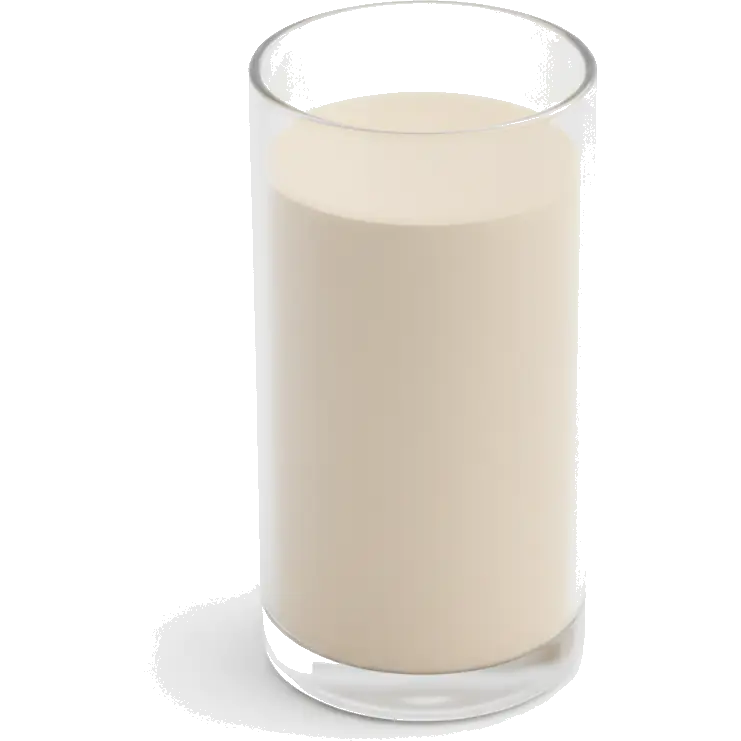
soy protein
Legumes/Pulses
Is soy protein eoe compatible-compatible?
See whether soy protein fits an eoe compatible diet, with a clear compatible-or-avoid verdict plus its FODMAP, histamine and other trigger ratings in one place.
Related checkers
Compare soy protein across criteria
Sensitivity notes
Why eoe compatible diet checker matters
Eosinophilic Esophagitis (EoE) dietary management often involves eliminating common trigger foods including dairy, wheat, eggs, soy, nuts, and seafood. The six-food elimination diet is commonly used to identify personal triggers.
- The six-food elimination diet removes dairy, wheat, eggs, soy, nuts, and seafood
- Systematic reintroduction with endoscopy helps identify triggers
- Milk/dairy is the most common trigger
- Work closely with your gastroenterologist and allergist
- Elemental diet may be used in severe cases
Sensitivities
What soy protein contains
FODMAPs
Histamine & Amines
Plant compounds
Irritants
Additives
Allergens
Diet fit
Where soy protein fits
Therapeutic diets
Lifestyle diets
Religious diets
What to know about soy protein
Soy protein is the rare soy food that grades clean on FODMAPs (A). Extraction strips the fermentable sugars that make whole soybeans a problem, so the isolate in a shake or a veggie burger behaves nothing like a bowl of edamame. What survives processing is everything else about soy. It is one of the big allergens and one of the six foods removed for EoE (E). It runs high on oxalate (D), roughly 40 to 60 mg per scoop, high on nickel (D), and it keeps soy’s reputation as a histamine liberator (C). A moderate free glutamate grade (C) and a low but real sulfite residue from processing (B) round out a profile that is friendlier to the gut than to the immune system.
Watch for
- Soy is a declarable allergen and one of the six foods in an EoE elimination diet.The isolate is still soy in the way that matters immunologically.
- High oxalate (D).Soy protein isolate carries far more oxalate than tofu or soy milk, and textured soy protein runs higher still, which matters for anyone managing kidney stones.
- High nickel (D).Low nickel diet guidance names soy protein powder specifically, and it is one of the harder places to spot because powder hides in bars and meat alternatives.
- A recognised histamine liberator (C), so it can prompt flushing or hives without containing much histamine itself.
- Low FODMAP applies to the plain isolate.Flavoured powders and bars often add inulin or polyol sweeteners that put the FODMAPs straight back in.

Explore related in Legumes/Pulses
Compare similar foods to build a personalized list of swaps that work for your system.


EoE Compatible Guide
Everything you need to know about eoe compatible compatibility and smart food choices.
Eosinophilic Esophagitis (EoE) dietary management often involves eliminating common trigger foods including dairy, wheat, eggs, soy, nuts, and seafood. The six-food elimination diet is commonly used to identify personal triggers.
These foods are typically compatible with a EoE Compatible approach:
View all safe options







Practical guidance for following a EoE Compatible diet:
- 1The six-food elimination diet removes dairy, wheat, eggs, soy, nuts, and seafood
- 2Systematic reintroduction with endoscopy helps identify triggers
- 3Milk/dairy is the most common trigger
- 4Work closely with your gastroenterologist and allergist
- 5Elemental diet may be used in severe cases
Pro tip: Keep a food diary to track your reactions. The Triggerbites app makes this easy with automatic pattern detection.
Want personalized tracking?
Download Triggerbites to log meals, track symptoms, and discover your unique triggers.
Get the AppFAQ
Does soy protein fit an eoe compatible diet?
EoE Compatible: avoid for strict plans.
What if I eat it occasionally?
Occasional use may break strict plans.
What are safer swaps?
Compare within the Legumes/Pulses group.