 Back to EoE Compatible diet checker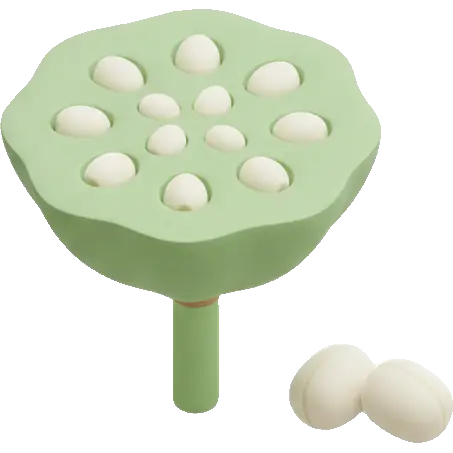
lotus seeds
Nuts & Seeds
Is lotus seeds eoe compatible-compatible?
See whether lotus seeds fits an eoe compatible diet, with a clear compatible-or-avoid verdict plus its FODMAP, histamine and other trigger ratings in one place.

Related checkers
Compare lotus seeds across criteria

Sensitivity notes
Why eoe compatible diet checker matters
Eosinophilic Esophagitis (EoE) dietary management often involves eliminating common trigger foods including dairy, wheat, eggs, soy, nuts, and seafood. The six-food elimination diet is commonly used to identify personal triggers.
- The six-food elimination diet removes dairy, wheat, eggs, soy, nuts, and seafood
- Systematic reintroduction with endoscopy helps identify triggers
- Milk/dairy is the most common trigger
- Work closely with your gastroenterologist and allergist
- Elemental diet may be used in severe cases

Sensitivities
What lotus seeds contains
FODMAPs







Histamine & Amines



Plant compounds




Irritants




Additives



Allergens















Diet fit
Where lotus seeds fits
Therapeutic diets










Lifestyle diets









Religious diets






What to know about lotus seeds
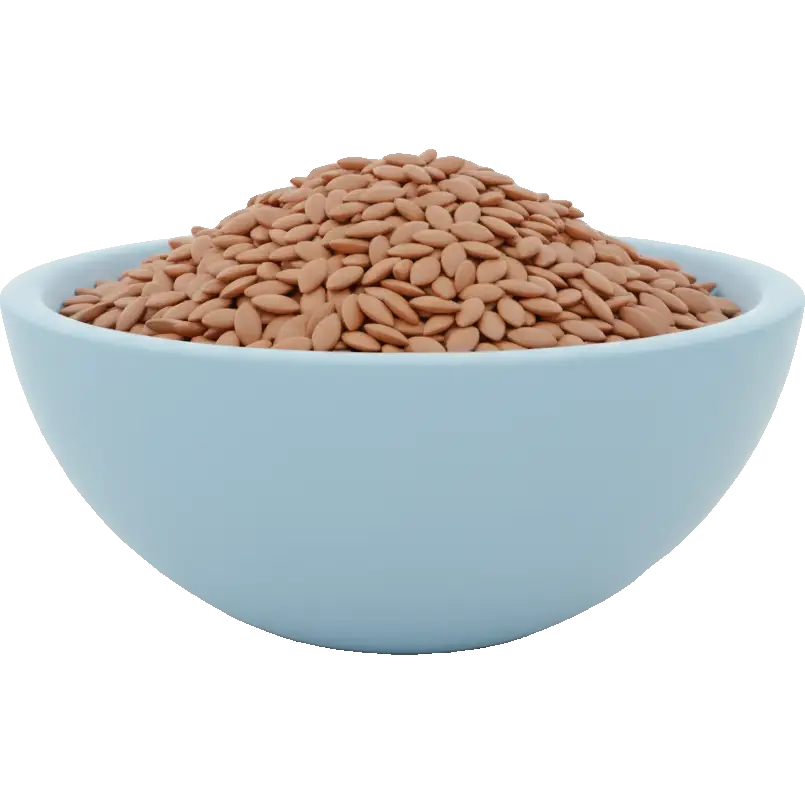
Lotus seeds come from the sacred lotus and reach the table in two quite different forms: dried white seeds simmered into Chinese soups and sweetened into mooncake paste, and puffed makhana, the airy roasted snack that has become popular as a lighter alternative to popcorn. They are starchier than most things filed under nuts and seeds, and the grades reflect that, with moderate marks for total FODMAPs, GOS, oxalate, nickel and SIBO fermentation. Makhana in particular is eaten by the bowlful rather than the handful, which is what turns those moderate grades into something worth logging.
Watch for
- Graded moderate on total FODMAPs and on GOS specifically.That is unusual for something sold as a snack, and it is the most likely explanation if a bowl of makhana leaves you bloated.
- The green embryo in the centre of a fresh seed is intensely bitter and is traditionally removed.In Chinese medicine it is used deliberately as its own preparation, so leaving it in changes both the flavour and the effect.
- Oxalate and nickel both grade moderate, and puffed makhana is easy to eat in quantity.Portion is doing more work here than concentration.
- Mooncake and dessert lotus paste is mostly sugar.The seed grades tell you nothing useful about a sweetened paste, which is a different food.
- Not AIP compliant, since the autoimmune protocol removes all seeds during the elimination phase.

Explore related in Nuts & Seeds
Compare similar foods to build a personalized list of swaps that work for your system.
EoE Compatible Guide
Everything you need to know about eoe compatible compatibility and smart food choices.
Eosinophilic Esophagitis (EoE) dietary management often involves eliminating common trigger foods including dairy, wheat, eggs, soy, nuts, and seafood. The six-food elimination diet is commonly used to identify personal triggers.
These foods are typically compatible with a EoE Compatible approach:
View all safe options








Practical guidance for following a EoE Compatible diet:
- 1The six-food elimination diet removes dairy, wheat, eggs, soy, nuts, and seafood
- 2Systematic reintroduction with endoscopy helps identify triggers
- 3Milk/dairy is the most common trigger
- 4Work closely with your gastroenterologist and allergist
- 5Elemental diet may be used in severe cases
Pro tip: Keep a food diary to track your reactions. The Triggerbites app makes this easy with automatic pattern detection.
Want personalized tracking?
Download Triggerbites to log meals, track symptoms, and discover your unique triggers.
Get the AppFAQ
Does lotus seeds fit an eoe compatible diet?
EoE Compatible: fits well for most plans.
What if I eat it occasionally?
Still check preparation and add-ins.
What are safer swaps?
Compare within the Nuts & Seeds group.