 Back to EoE Compatible diet checker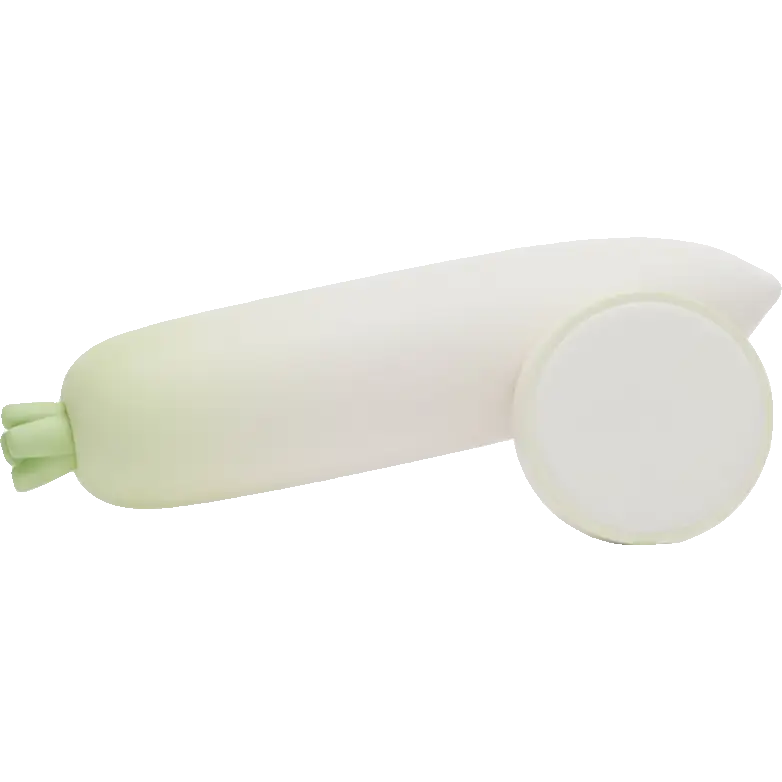
daikon radish
Vegetables
Is daikon radish eoe compatible-compatible?
See whether daikon radish fits an eoe compatible diet, with a clear compatible-or-avoid verdict plus its FODMAP, histamine and other trigger ratings in one place.

Related checkers
Compare daikon radish across criteria

Sensitivity notes
Why eoe compatible diet checker matters
Eosinophilic Esophagitis (EoE) dietary management often involves eliminating common trigger foods including dairy, wheat, eggs, soy, nuts, and seafood. The six-food elimination diet is commonly used to identify personal triggers.
- The six-food elimination diet removes dairy, wheat, eggs, soy, nuts, and seafood
- Systematic reintroduction with endoscopy helps identify triggers
- Milk/dairy is the most common trigger
- Work closely with your gastroenterologist and allergist
- Elemental diet may be used in severe cases

Sensitivities
What daikon radish contains
FODMAPs







Histamine & Amines



Plant compounds




Irritants




Additives



Allergens
















Diet fit
Where daikon radish fits
Therapeutic diets










Lifestyle diets









Religious diets






What to know about daikon radish
Daikon is the long white winter radish of Japanese, Korean and Chinese cooking, and it is one of the very few vegetables that grades A on every trigger column we score: FODMAPs, fructans, GOS, excess fructose, polyols, histamine, histamine liberation, salicylate, oxalate, nickel, sulfite, glutamate, tyramine, gluten, lactose and nightshade. That is not true of the red salad radish, which grades D for salicylates, so if peppery radishes give you headaches, flushing or itching, daikon really is the milder root rather than one that merely sounds milder. The way it is traditionally used points the same direction. Grated raw daikon is served beside fried and oily dishes as a palate clearing accompaniment, and long simmered daikon in a broth is about as gentle as a cooked vegetable gets. The caveats on this page are all about what gets done to daikon rather than the root itself.
Watch for
- It is not the same food as red radish.Salad radish grades D for salicylates and daikon grades A, so swapping one for the other is a genuine change if salicylates are your trigger rather than a cosmetic one.
- Pickled and fermented daikon is a different entry in your log.Takuan, radish kimchi and vinegar pickles bring fermentation histamine, salt, chilli and sometimes sulfites or colourings, none of which apply to the fresh root.
- A large raw brassica serve can still feel gassy.Daikon grades A across every FODMAP group, but the sulfur compounds that give raw daikon its bite bother some people regardless, and simmering usually settles that.
- Its only non A grade anywhere is a B on the anti-inflammatory scale, which is a diet pattern nuance rather than a sensitivity trigger.




Explore related in Vegetables
Compare similar foods to build a personalized list of swaps that work for your system.




EoE Compatible Guide
Everything you need to know about eoe compatible compatibility and smart food choices.
Eosinophilic Esophagitis (EoE) dietary management often involves eliminating common trigger foods including dairy, wheat, eggs, soy, nuts, and seafood. The six-food elimination diet is commonly used to identify personal triggers.
These foods are typically compatible with a EoE Compatible approach:
View all safe options







Practical guidance for following a EoE Compatible diet:
- 1The six-food elimination diet removes dairy, wheat, eggs, soy, nuts, and seafood
- 2Systematic reintroduction with endoscopy helps identify triggers
- 3Milk/dairy is the most common trigger
- 4Work closely with your gastroenterologist and allergist
- 5Elemental diet may be used in severe cases
Pro tip: Keep a food diary to track your reactions. The Triggerbites app makes this easy with automatic pattern detection.
Want personalized tracking?
Download Triggerbites to log meals, track symptoms, and discover your unique triggers.
Get the AppFAQ
Does daikon radish fit an eoe compatible diet?
EoE Compatible: fits well for most plans.
What if I eat it occasionally?
Still check preparation and add-ins.
What are safer swaps?
Compare within the Vegetables group.