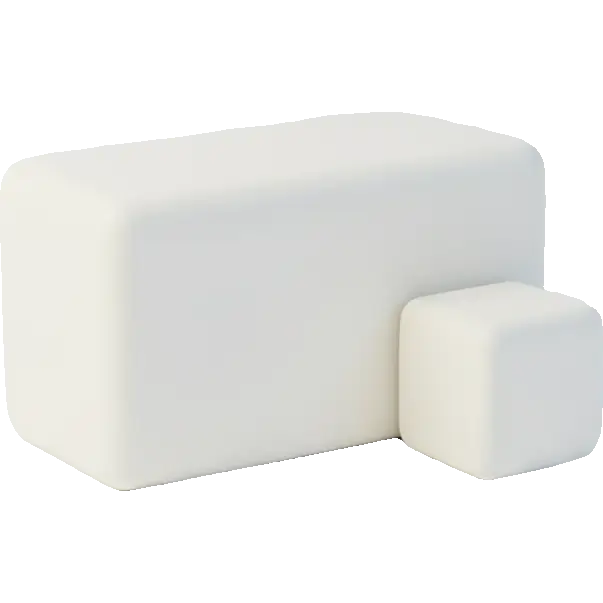
vegetable shortening
Oils & Fats
Is vegetable shortening dash diet-compatible?
See whether vegetable shortening fits a dash diet diet, with a clear compatible-or-avoid verdict plus its FODMAP, histamine and other trigger ratings in one place.
Related checkers
Compare vegetable shortening across criteria
Sensitivity notes
Why dash diet diet checker matters
The DASH diet (Dietary Approaches to Stop Hypertension) is designed to help lower blood pressure. It emphasizes fruits, vegetables, whole grains, and lean proteins while limiting sodium, red meat, and added sugars.
- Aim for 4-5 servings each of fruits and vegetables daily
- Choose whole grains over refined grains
- Limit sodium to 2300mg/day, ideally 1500mg
- Include low-fat dairy for calcium and potassium
- Nuts, seeds, and legumes several times per week
Sensitivities
What vegetable shortening contains
FODMAPs
Histamine & Amines
Plant compounds
Irritants
Additives
Allergens
Diet fit
Where vegetable shortening fits
Therapeutic diets
Lifestyle diets
Religious diets
What to know about vegetable shortening
Vegetable shortening is chemically boring, and for a trigger journal that is good news. Our data grades it free of gluten, lactose, dairy protein, histamine, glutamates, sulfites, nitrites and nickel, low FODMAP and fine for SIBO, with salicylates the only borderline mark. So the story on this page is not a sensitivity trigger, it is a reformulation. Partial hydrogenation, the process that turned liquid seed oil into a scoopable white block, also produced industrial trans fat. The FDA determined in 2015 that partially hydrogenated oils are no longer generally recognised as safe and revoked their prior sanction in shortening, margarine and bread, with the final compliance date landing on 1 January 2021. Modern tubs are rebuilt from fully hydrogenated and interesterified fats or palm blends, so what remains against shortening is that it is a heavily refined fat graded pro-inflammatory, not that it is a trans fat hazard.
Watch for
- Not a food chemistry trigger.Graded clean on gluten, dairy, histamine, glutamates and FODMAPs. If a pie crust or frosting made with shortening upset you, look at the flour, the sugar or the filling before you blame the fat.
- Graded pro-inflammatory and a poor fit for DASH.It is concentrated refined fat with essentially no micronutrients attached, which is a dietary pattern issue rather than a reaction risk.
- Read the ingredient list, not the trans fat line.A US nutrition panel can round anything under 0.5 g per serving down to zero, so "partially hydrogenated" appearing in the ingredients is the reliable signal. It still turns up in older stock and some imported products.
- The base oil is often unnamed.Soybean, cottonseed, palm and canola are all used, and highly refined oils are exempt from US allergen labelling, so a soy-allergic reader will not necessarily see soy declared.
- Butter-flavoured shortening is a different product.Those carry added flavourings and sometimes dairy-derived components, so the clean dairy grade on this page does not transfer to them.

Explore related in Oils & Fats
Compare similar foods to build a personalized list of swaps that work for your system.
DASH Diet Guide
Everything you need to know about dash diet compatibility and smart food choices.
The DASH diet (Dietary Approaches to Stop Hypertension) is designed to help lower blood pressure. It emphasizes fruits, vegetables, whole grains, and lean proteins while limiting sodium, red meat, and added sugars.
These foods are typically compatible with a DASH Diet approach:
View all safe options







Practical guidance for following a DASH Diet diet:
- 1Aim for 4-5 servings each of fruits and vegetables daily
- 2Choose whole grains over refined grains
- 3Limit sodium to 2300mg/day, ideally 1500mg
- 4Include low-fat dairy for calcium and potassium
- 5Nuts, seeds, and legumes several times per week
Pro tip: Keep a food diary to track your reactions. The Triggerbites app makes this easy with automatic pattern detection.
Want personalized tracking?
Download Triggerbites to log meals, track symptoms, and discover your unique triggers.
Get the AppFAQ
Does vegetable shortening fit a dash diet diet?
DASH Diet: avoid for strict plans.
What if I eat it occasionally?
Occasional use may break strict plans.
What are safer swaps?
Compare within the Oils & Fats group.