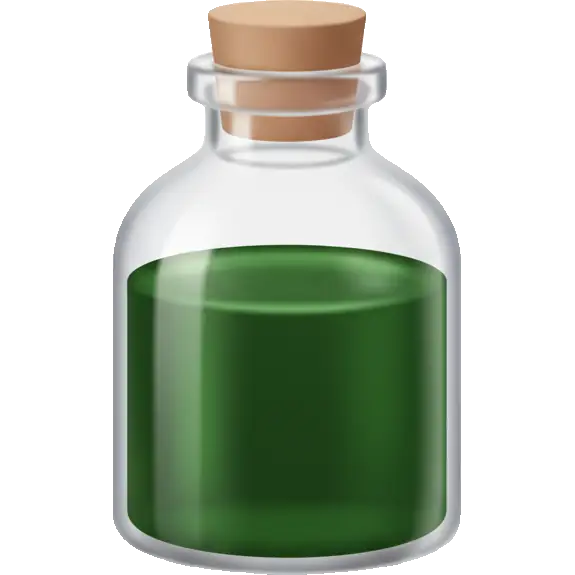
hemp oil
Oils & Fats
Is hemp oil dash diet-compatible?
See whether hemp oil fits a dash diet diet, with a clear compatible-or-avoid verdict plus its FODMAP, histamine and other trigger ratings in one place.
Related checkers
Compare hemp oil across criteria
Sensitivity notes
Why dash diet diet checker matters
The DASH diet (Dietary Approaches to Stop Hypertension) is designed to help lower blood pressure. It emphasizes fruits, vegetables, whole grains, and lean proteins while limiting sodium, red meat, and added sugars.
- Aim for 4-5 servings each of fruits and vegetables daily
- Choose whole grains over refined grains
- Limit sodium to 2300mg/day, ideally 1500mg
- Include low-fat dairy for calcium and potassium
- Nuts, seeds, and legumes several times per week
Sensitivities
What hemp oil contains
FODMAPs
Histamine & Amines
Plant compounds
Irritants
Additives
Allergens
Diet fit
Where hemp oil fits
Therapeutic diets
Lifestyle diets
Religious diets
What to know about hemp oil
The most useful thing to say about hemp oil is what it is not. In a kitchen, hemp oil means oil pressed from hemp seed, a food ingredient with a clean trigger card: A for histamine, histamine liberation, tyramine, salicylates, oxalate, nickel, sulfites, glutamates, gluten and every FODMAP subgroup. On a shop shelf the same two words are often printed on CBD tinctures, which are cannabinoid extracts made from the flower and leaf and sold for entirely different reasons. They share a plant and almost nothing else. Culinary hemp oil is also not a nut or peanut allergen, which makes it a genuinely useful alternative for people navigating both nut avoidance and seed-oil questions, and its selling point nutritionally is a fatty-acid profile rich in alpha-linolenic acid, unusually so for a supermarket oil.
Watch for
- Hemp oil and CBD oil are different products sold under overlapping names.Culinary hemp seed oil is a pressed food oil with only trace cannabinoids; CBD products are labelled "hemp oil", "hemp extract" or "full spectrum" and carry an active dose. If you are logging a reaction, record which one you actually took
- It is not a tree nut or peanut allergen.Hemp seed allergy exists and has been documented, but it is uncommon, and hemp is not covered by the tree nut or peanut cross-reactivity people usually worry about
- Clean across the food-chemistry triggers, including A for histamine and histamine liberation, which is worth knowing because plenty of seed and nut products are not
- Graded C rather than A on the anti-inflammatory scale, a middling score rather than a bad one.That is a diet-pattern note, not a sensitivity trigger, and it does not change how the oil behaves for histamine, FODMAP or salicylate readers
- Food-grade hemp seed oil is not expected to affect a workplace drug test at normal culinary amounts, though very high intakes of poorly cleaned hemp seed products have historically produced trace positives

Explore related in Oils & Fats
Compare similar foods to build a personalized list of swaps that work for your system.
DASH Diet Guide
Everything you need to know about dash diet compatibility and smart food choices.
The DASH diet (Dietary Approaches to Stop Hypertension) is designed to help lower blood pressure. It emphasizes fruits, vegetables, whole grains, and lean proteins while limiting sodium, red meat, and added sugars.
These foods are typically compatible with a DASH Diet approach:
View all safe options







Practical guidance for following a DASH Diet diet:
- 1Aim for 4-5 servings each of fruits and vegetables daily
- 2Choose whole grains over refined grains
- 3Limit sodium to 2300mg/day, ideally 1500mg
- 4Include low-fat dairy for calcium and potassium
- 5Nuts, seeds, and legumes several times per week
Pro tip: Keep a food diary to track your reactions. The Triggerbites app makes this easy with automatic pattern detection.
Want personalized tracking?
Download Triggerbites to log meals, track symptoms, and discover your unique triggers.
Get the AppFAQ
Does hemp oil fit a dash diet diet?
DASH Diet: mixed fit - check ingredients.
What if I eat it occasionally?
Keep portions small and verify ingredients.
What are safer swaps?
Compare within the Oils & Fats group.