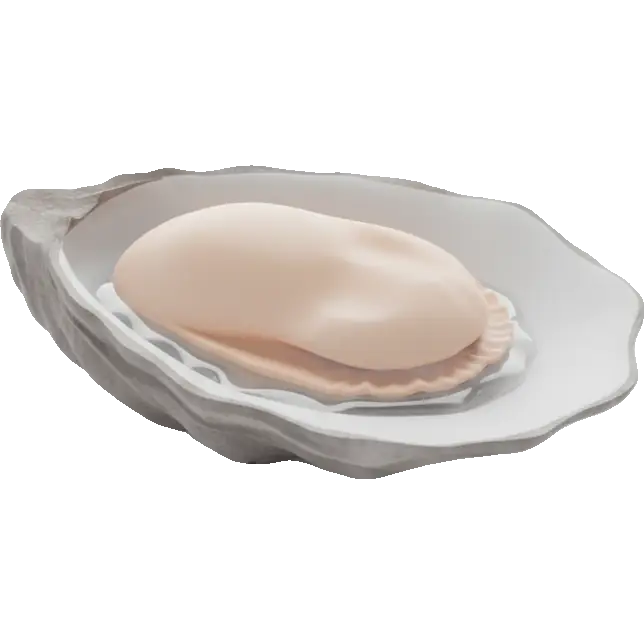
oyster
Seafood
Is oyster high in dairy proteins?
Is oyster high or low in dairy proteins? See its exact rating, how much counts as a portion, and its FODMAP, salicylate, oxalate and diet compatibility in one place.
Related checkers
Compare oyster across criteria
Sensitivity notes
Why dairy proteins food checker matters
Dairy proteins (casein and whey) can cause reactions in people with milk protein allergy or intolerance. This is different from lactose intolerance and can cause both digestive and systemic symptoms.
- Dairy protein allergy requires complete dairy avoidance
- Casein and whey are the main proteins to avoid
- 'Non-dairy' products may still contain casein
- Ghee may be tolerated as proteins are removed
- This is different from lactose intolerance - treatment differs
Sensitivities
What oyster contains
FODMAPs
Histamine & Amines
Plant compounds
Irritants
Additives
Allergens
Diet fit
Where oyster fits
Therapeutic diets
Lifestyle diets
Religious diets
What to know about oyster
Oysters are one of the very few foods that most people still eat raw and, until the moment of shucking, alive, and that single habit accounts for nearly all of their risk. On food chemistry they are quiet: no gluten, no lactose, no sulfites, nothing meaningful on salicylates, oxalates, tyramine or free glutamate, with moderate grades for histamine and nickel. The documented dangers are microbial rather than chemical, specifically Vibrio vulnificus and norovirus. Oysters are also, by a wide margin, the densest source of zinc in the human diet, which is the reason they earn their reputation and also a reason not to treat them as an everyday food.
Watch for
- Raw oysters can carry Vibrio vulnificus, a naturally occurring marine bacterium that has nothing to do with sewage or dirty handling.Infections are uncommon but severe: CDC figures put the death rate at roughly one in five, sometimes within a day or two, and the burden falls overwhelmingly on people with liver disease, iron overload conditions such as haemochromatosis, or a suppressed immune system. Cases peak through the warm water months
- Norovirus is the more frequent oyster problem.A filter feeder concentrates it from sewage-affected water, and light steaming just until the shells open is not reliable inactivation
- Hot sauce, lemon, horseradish, vinegar and a shot of spirits kill none of this.Only thorough cooking, or post-harvest processing such as high pressure treatment, deep freezing or irradiation, actually reduces vibrio
- Moderate histamine (C) that climbs from the moment the shell is opened.An oyster shucked to order sits at the low end. Pre-shucked meats sitting in their liquor in a tub, and tinned or smoked oysters, sit at the high end
- Enormous zinc load plus a moderate nickel grade (C).Adult zinc needs are around 8 to 11 mg a day and the tolerable upper limit is 40 mg, while a single modest serving of oysters can run to many times the daily requirement, so repeated large servings are a real route to suppressed copper absorption






Explore related in Seafood
Compare similar foods to build a personalized list of swaps that work for your system.



Dairy Proteins Guide
Everything you need to know about dairy proteins sensitivity and smart food choices.
Dairy proteins (casein and whey) can cause reactions in people with milk protein allergy or intolerance. This is different from lactose intolerance and can cause both digestive and systemic symptoms.
Sensitivity varies widely. What triggers one person may be fine for another. Track your reactions to find your personal threshold.
These foods are generally well-tolerated for Dairy Proteins sensitivity:
View all safe options







These foods have moderate levels and may be tolerated in small amounts:






These foods are high in dairy proteins and may trigger symptoms:
View full list





If you're sensitive to Dairy Proteins, consider these strategies:
- 1Dairy protein allergy requires complete dairy avoidance
- 2Casein and whey are the main proteins to avoid
- 3'Non-dairy' products may still contain casein
- 4Ghee may be tolerated as proteins are removed
- 5This is different from lactose intolerance - treatment differs
Pro tip: Keep a food diary to track your reactions. The Triggerbites app makes this easy with automatic pattern detection.
Want personalized tracking?
Download Triggerbites to log meals, track symptoms, and discover your unique triggers.
Get the AppFAQ
Is oyster high in Dairy Proteins?
Dairy Proteins: low signal for most people.
Can I still eat oyster if I'm sensitive to Dairy Proteins?
Usually fine in normal portions.
What else should I check?
Check Molluscs, Vegan, and Vegetarian next for a fuller picture.