
cola
Beverages
Is cola high in dairy proteins?
Is cola high or low in dairy proteins? See its exact rating, how much counts as a portion, and its FODMAP, salicylate, oxalate and diet compatibility in one place.
Related checkers
Compare cola across criteria
Sensitivity notes
Why dairy proteins food checker matters
Dairy proteins (casein and whey) can cause reactions in people with milk protein allergy or intolerance. This is different from lactose intolerance and can cause both digestive and systemic symptoms.
- Dairy protein allergy requires complete dairy avoidance
- Casein and whey are the main proteins to avoid
- 'Non-dairy' products may still contain casein
- Ghee may be tolerated as proteins are removed
- This is different from lactose intolerance - treatment differs
Sensitivities
What cola contains
FODMAPs
Histamine & Amines
Plant compounds
Irritants
Additives
Allergens
Diet fit
Where cola fits
Therapeutic diets
Lifestyle diets
Religious diets
What to know about cola
Cola stacks up three things that bother sensitive people at once: caffeine (about 34 mg in a 12 oz can), phosphoric acid that gives it a tooth-eroding pH near 2.5, and a large dose of sugar or high-fructose corn syrup. That combination is why cola is a classic driver of reflux and of the caffeine-withdrawal "cola headache," and the sugar load makes it pro-inflammatory and poor for SIBO. It is clean on histamine, gluten and lactose, so the issue is the caffeine-plus-acid-plus-sugar package, not a food-chemistry trigger.
Watch for
- Moderate caffeine, enough to feed a dependence and to cause a rebound headache when you skip your usual can, which is the real "cola headache"
- Phosphoric acid gives cola a very low pH (around 2.5), a common reflux and heartburn trigger and hard on tooth enamel, made worse by the carbonation
- High in sugar or high-fructose corn syrup, so it rates pro-inflammatory, poor for SIBO, and carries moderate excess-fructose and polyol loads from the sweeteners
- Diet colas drop the sugar but keep the caffeine and phosphoric acid, so they still hit the reflux and headache angles








Explore related in Beverages
Compare similar foods to build a personalized list of swaps that work for your system.

Dairy Proteins Guide
Everything you need to know about dairy proteins sensitivity and smart food choices.
Dairy proteins (casein and whey) can cause reactions in people with milk protein allergy or intolerance. This is different from lactose intolerance and can cause both digestive and systemic symptoms.
Sensitivity varies widely. What triggers one person may be fine for another. Track your reactions to find your personal threshold.
These foods are generally well-tolerated for Dairy Proteins sensitivity:
View all safe options





These foods have moderate levels and may be tolerated in small amounts:


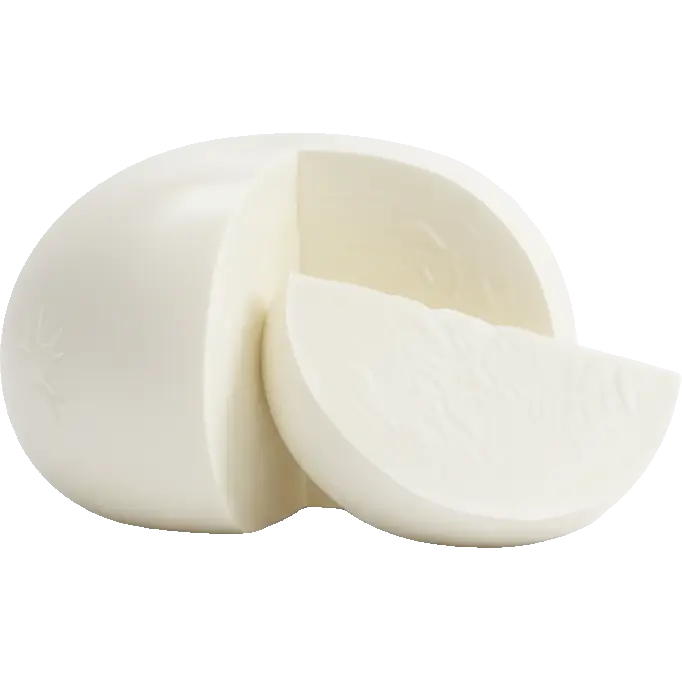





These foods are high in dairy proteins and may trigger symptoms:
View full list







If you're sensitive to Dairy Proteins, consider these strategies:
- 1Dairy protein allergy requires complete dairy avoidance
- 2Casein and whey are the main proteins to avoid
- 3'Non-dairy' products may still contain casein
- 4Ghee may be tolerated as proteins are removed
- 5This is different from lactose intolerance - treatment differs
Pro tip: Keep a food diary to track your reactions. The Triggerbites app makes this easy with automatic pattern detection.
Want personalized tracking?
Download Triggerbites to log meals, track symptoms, and discover your unique triggers.
Get the AppFAQ
Is cola high in Dairy Proteins?
Dairy Proteins: low signal for most people.
Can I still eat cola if I'm sensitive to Dairy Proteins?
Usually fine in normal portions.
What else should I check?
Check Acidic Foods, Inflammation, and AIP next for a fuller picture.