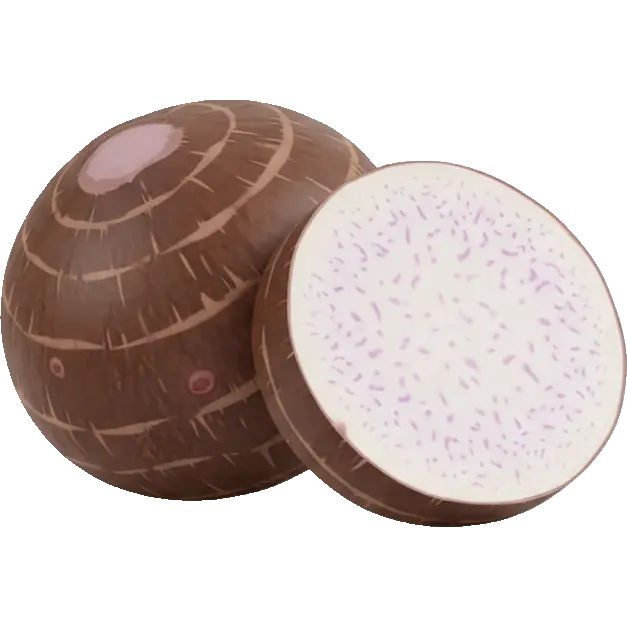
taro root
Vegetables
Is taro root high in caffeine?
Is taro root high or low in caffeine? See its exact rating, how much counts as a portion, and its FODMAP, salicylate, oxalate and diet compatibility in one place.
Related checkers
Compare taro root across criteria
Sensitivity notes
Why caffeine food checker matters
Caffeine is a natural stimulant found in coffee, tea, chocolate, and many soft drinks. While safe for most people, those with caffeine sensitivity may experience anxiety, rapid heartbeat, digestive issues, or sleep disturbances even from small amounts.
- Gradually reduce caffeine to avoid withdrawal headaches
- Switch to decaf versions of your favorite drinks
- Be aware of hidden caffeine in chocolate and some medications
- Try herbal alternatives like rooibos or peppermint tea
- Caffeine sensitivity can change with age and stress levels
Sensitivities
What taro root contains
FODMAPs
Histamine & Amines
Plant compounds
Irritants
Additives
Allergens
Diet fit
Where taro root fits
Therapeutic diets
Lifestyle diets
Religious diets
What to know about taro root
Taro has to be cooked, and that is the first thing to know about it. The raw corm is loaded with needle shaped calcium oxalate crystals called raphides, which physically embed in skin and mucous membrane, so peeling raw taro barehanded leaves your hands itching and stinging for hours and a raw taste burns the mouth and throat immediately. Thorough boiling, steaming or baking destroys the effect, and properly cooked taro is a quiet food on our triggers: graded A for gluten, histamine and histamine liberation, nickel, glutamates, sulfites and nightshades, with a moderate B for FODMAPs that is a portion question. Note what we cannot tell you: taro is unrated for both oxalate and salicylates in our data, so if you are on a low oxalate protocol for kidney stones, treat it as untested rather than cleared.
Watch for
- Never eat taro raw or undercooked.The corm carries needle like calcium oxalate raphides that cause instant burning, prickling and swelling in the mouth and throat. Cook it right through, and wear gloves or oil your hands when peeling to avoid the classic taro itch
- Our data has no oxalate rating and no salicylate rating for taro, so this page cannot call it low oxalate.Boiling and discarding the water is the traditional method for reducing what remains after cooking
- Graded moderate (B) for FODMAPs.A small side of cooked taro behaves very differently from a plate of it, so portion first before deciding taro is the problem
- Most purple taro flavour is not taro.Taro bubble tea, ice creams and lattes are usually built from an artificially flavoured and coloured powder, so a reaction to a taro drink is far more likely to be the powder, the dairy or the sweetener than the root
- Poi is cooked taro pounded to a paste and commonly left to sour for a day or more.That tang is fermentation, and a well soured poi is not the same diary entry as a freshly boiled corm if you are watching fermented foods




Explore related in Vegetables
Compare similar foods to build a personalized list of swaps that work for your system.




Caffeine Guide
Everything you need to know about caffeine sensitivity and smart food choices.
Caffeine is a natural stimulant found in coffee, tea, chocolate, and many soft drinks. While safe for most people, those with caffeine sensitivity may experience anxiety, rapid heartbeat, digestive issues, or sleep disturbances even from small amounts.
Sensitivity varies widely. What triggers one person may be fine for another. Track your reactions to find your personal threshold.






These foods have moderate levels and may be tolerated in small amounts:







These foods are high in caffeine and may trigger symptoms:





If you're sensitive to Caffeine, consider these strategies:
- 1Gradually reduce caffeine to avoid withdrawal headaches
- 2Switch to decaf versions of your favorite drinks
- 3Be aware of hidden caffeine in chocolate and some medications
- 4Try herbal alternatives like rooibos or peppermint tea
- 5Caffeine sensitivity can change with age and stress levels
Pro tip: Keep a food diary to track your reactions. The Triggerbites app makes this easy with automatic pattern detection.
Want personalized tracking?
Download Triggerbites to log meals, track symptoms, and discover your unique triggers.
Get the AppFAQ
Is taro root high in Caffeine?
Caffeine: low signal for most people.
Can I still eat taro root if I'm sensitive to Caffeine?
Usually fine in normal portions.
What else should I check?
Check Inflammation, Specific Carbohydrate, and Keto next for a fuller picture.