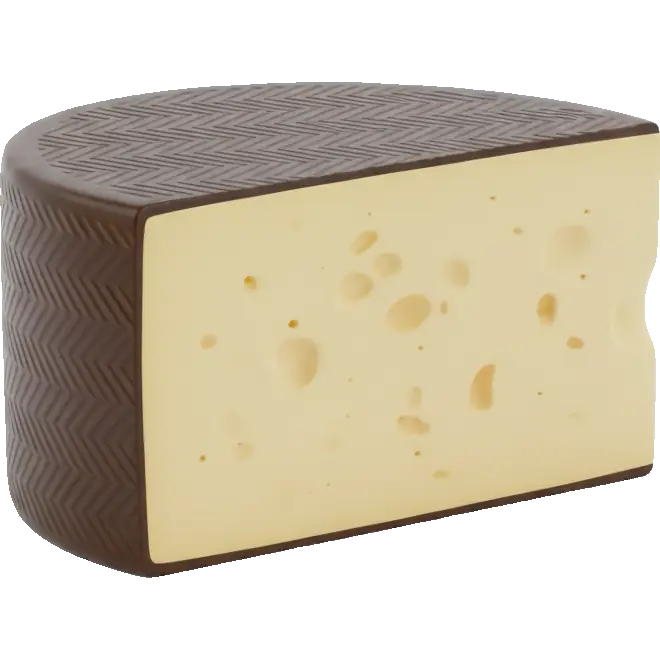
manchego
Dairy & Alternatives
Is manchego high in caffeine?
Is manchego high or low in caffeine? See its exact rating, how much counts as a portion, and its FODMAP, salicylate, oxalate and diet compatibility in one place.
Related checkers
Compare manchego across criteria
Sensitivity notes
Why caffeine food checker matters
Caffeine is a natural stimulant found in coffee, tea, chocolate, and many soft drinks. While safe for most people, those with caffeine sensitivity may experience anxiety, rapid heartbeat, digestive issues, or sleep disturbances even from small amounts.
- Gradually reduce caffeine to avoid withdrawal headaches
- Switch to decaf versions of your favorite drinks
- Be aware of hidden caffeine in chocolate and some medications
- Try herbal alternatives like rooibos or peppermint tea
- Caffeine sensitivity can change with age and stress levels
Sensitivities
What manchego contains
FODMAPs
Histamine & Amines
Plant compounds
Irritants
Additives
Allergens
Diet fit
Where manchego fits
Therapeutic diets
Lifestyle diets
Religious diets
What to know about manchego
Manchego is sold as a ladder, not a single cheese, and the rung you buy decides which trigger you meet. The DOP tiers run fresco, semicurado, curado and viejo, from a couple of weeks of ageing up to two years, and our grades track that curve exactly. Lactose is low, because pressing drains the whey and the cultures work through what is left, so manchego is one of the easier cheeses on a lactose problem and gets easier the older it gets. Amines run the other way. Histamine and tyramine both grade moderate, produced by the same slow protein breakdown that gives an aged manchego its depth, and free glutamate grades moderate for the same reason. Dairy protein grades high: sheep casein is not cow casein but it is still casein, so switching species does not solve a milk protein allergy. Everything else is clean, including FODMAPs, gluten, salicylates, oxalate, nickel, sulfites and nitrites, and it grades clean for SIBO, which is unusual for a cheese.
Watch for
- The cure length is the variable, not the brand.Semicurado at a few months and viejo at over a year are the same milk at opposite ends of the amine curve, so a bad reaction to one slab tells you little about the other
- Moderate histamine and moderate tyramine together.That pairing is why cheese boards show up so often in migraine diaries, and tyramine is also the reason manchego belongs on the caution list if you take an MAOI
- Low in lactose and falling as it ages, which is the opposite of what people expect from a rich cheese.If dairy upsets you and manchego does not, lactose was probably never your issue
- High in dairy protein.Sheep milk casein differs from cow casein in structure, but a confirmed cow milk protein allergy still needs to treat manchego as a milk protein food
- Moderate free glutamate.The savoury intensity and the crunchy crystals in an old manchego come partly from protein breaking down into free amino acids, the same molecule family behind added MSG






Explore related in Dairy & Alternatives
Compare similar foods to build a personalized list of swaps that work for your system.

Caffeine Guide
Everything you need to know about caffeine sensitivity and smart food choices.
Caffeine is a natural stimulant found in coffee, tea, chocolate, and many soft drinks. While safe for most people, those with caffeine sensitivity may experience anxiety, rapid heartbeat, digestive issues, or sleep disturbances even from small amounts.
Sensitivity varies widely. What triggers one person may be fine for another. Track your reactions to find your personal threshold.








These foods have moderate levels and may be tolerated in small amounts:








These foods are high in caffeine and may trigger symptoms:






If you're sensitive to Caffeine, consider these strategies:
- 1Gradually reduce caffeine to avoid withdrawal headaches
- 2Switch to decaf versions of your favorite drinks
- 3Be aware of hidden caffeine in chocolate and some medications
- 4Try herbal alternatives like rooibos or peppermint tea
- 5Caffeine sensitivity can change with age and stress levels
Pro tip: Keep a food diary to track your reactions. The Triggerbites app makes this easy with automatic pattern detection.
Want personalized tracking?
Download Triggerbites to log meals, track symptoms, and discover your unique triggers.
Get the AppFAQ
Is manchego high in Caffeine?
Caffeine: low signal for most people.
Can I still eat manchego if I'm sensitive to Caffeine?
Usually fine in normal portions.
What else should I check?
Check Vegan, AIP, and EoE Compatible next for a fuller picture.