 Back to Caffeine food checker
coconut butter
Nuts & Seeds
Is coconut butter high in caffeine?
Is coconut butter high or low in caffeine? See its exact rating, how much counts as a portion, and its FODMAP, salicylate, oxalate and diet compatibility in one place.

Related checkers
Compare coconut butter across criteria

Sensitivity notes
Why caffeine food checker matters
Caffeine is a natural stimulant found in coffee, tea, chocolate, and many soft drinks. While safe for most people, those with caffeine sensitivity may experience anxiety, rapid heartbeat, digestive issues, or sleep disturbances even from small amounts.
- Gradually reduce caffeine to avoid withdrawal headaches
- Switch to decaf versions of your favorite drinks
- Be aware of hidden caffeine in chocolate and some medications
- Try herbal alternatives like rooibos or peppermint tea
- Caffeine sensitivity can change with age and stress levels

Sensitivities
What coconut butter contains
FODMAPs







Histamine & Amines



Plant compounds




Irritants




Additives



Allergens
















Diet fit
Where coconut butter fits
Therapeutic diets










Lifestyle diets









Religious diets






What to know about coconut butter
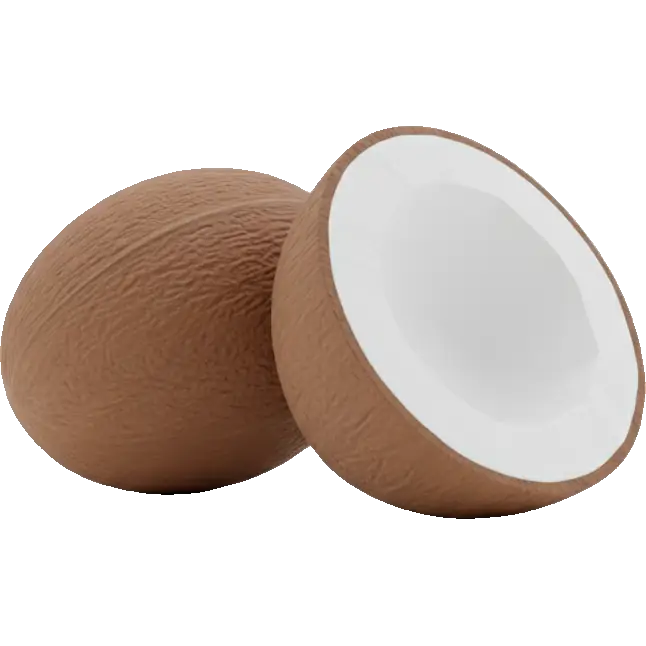
Coconut butter is whole coconut flesh ground to a paste, so unlike coconut oil it keeps the fibre and the sugar alcohols that come with the flesh. That is why it grades a moderate C for FODMAPs overall and specifically for polyols, plus moderate C marks for oxalate, nickel and fermentation load in SIBO. It is clean on histamine content, gluten, lactose, dairy protein, sulfites, nitrites and glutamates, and it is one of the few spreads that stays AIP compliant. Portion, not chemistry, is the usual problem.
Watch for
- Polyols at C is the headline.The sorbitol in coconut flesh pulls water into the bowel, so a couple of teaspoons stirred into something is a different event from eating it by the spoon out of the jar.
- Moderate on total FODMAPs (C) and on fermentation load for SIBO (C), because the fibre travels with the fat.Coconut oil, which is fat only, grades better on both.
- Moderate oxalate and nickel (both C).Neither is dramatic alone, but coconut butter is calorie dense and very easy to eat in quantity, which is exactly how a moderate grade becomes a real dose.
- Read the label carefully.Coconut butter, coconut manna and creamed coconut are the same ground-flesh product, while coconut oil, coconut milk and coconut cream are separate entries here and grade differently.
- Dense in saturated fat, hence the B grades for the DASH and Mediterranean patterns.That is a dietary-fit note, not a sensitivity trigger.



Explore related in Nuts & Seeds
Compare similar foods to build a personalized list of swaps that work for your system.


Caffeine Guide
Everything you need to know about caffeine sensitivity and smart food choices.
Caffeine is a natural stimulant found in coffee, tea, chocolate, and many soft drinks. While safe for most people, those with caffeine sensitivity may experience anxiety, rapid heartbeat, digestive issues, or sleep disturbances even from small amounts.
Sensitivity varies widely. What triggers one person may be fine for another. Track your reactions to find your personal threshold.










These foods have moderate levels and may be tolerated in small amounts:








These foods are high in caffeine and may trigger symptoms:






If you're sensitive to Caffeine, consider these strategies:
- 1Gradually reduce caffeine to avoid withdrawal headaches
- 2Switch to decaf versions of your favorite drinks
- 3Be aware of hidden caffeine in chocolate and some medications
- 4Try herbal alternatives like rooibos or peppermint tea
- 5Caffeine sensitivity can change with age and stress levels
Pro tip: Keep a food diary to track your reactions. The Triggerbites app makes this easy with automatic pattern detection.
Want personalized tracking?
Download Triggerbites to log meals, track symptoms, and discover your unique triggers.
Get the AppFAQ
Is coconut butter high in Caffeine?
Caffeine: low signal for most people.
Can I still eat coconut butter if I'm sensitive to Caffeine?
Usually fine in normal portions.
What else should I check?
Check Gastroparesis Diet, Reflux Diet, and Low Fibre next for a fuller picture.