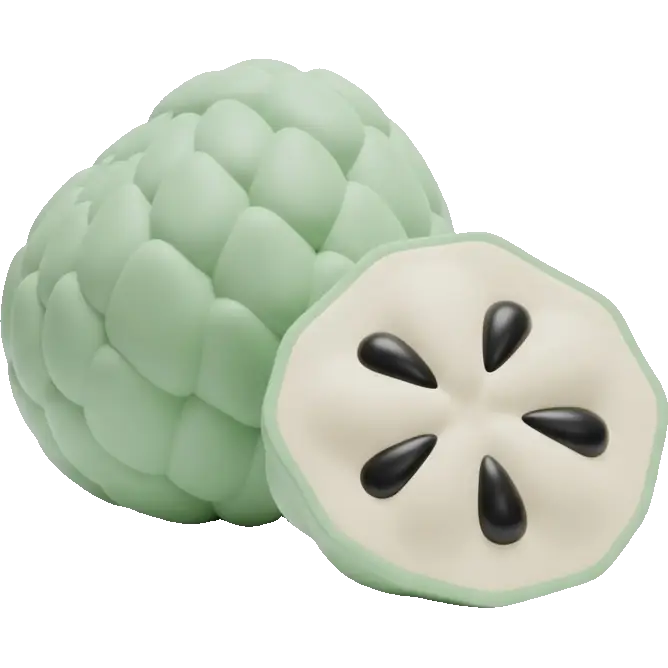
atemoya
Fruit
Is atemoya high in caffeine?
Is atemoya high or low in caffeine? See its exact rating, how much counts as a portion, and its FODMAP, salicylate, oxalate and diet compatibility in one place.
Related checkers
Compare atemoya across criteria
Sensitivity notes
Why caffeine food checker matters
Caffeine is a natural stimulant found in coffee, tea, chocolate, and many soft drinks. While safe for most people, those with caffeine sensitivity may experience anxiety, rapid heartbeat, digestive issues, or sleep disturbances even from small amounts.
- Gradually reduce caffeine to avoid withdrawal headaches
- Switch to decaf versions of your favorite drinks
- Be aware of hidden caffeine in chocolate and some medications
- Try herbal alternatives like rooibos or peppermint tea
- Caffeine sensitivity can change with age and stress levels
Sensitivities
What atemoya contains
FODMAPs
Histamine & Amines
Plant compounds
Irritants
Additives
Allergens
Diet fit
Where atemoya fits
Therapeutic diets
Lifestyle diets
Religious diets
What to know about atemoya
Atemoya is a deliberate cross between cherimoya (Annona cherimola) and sugar apple (Annona squamosa), first raised in Florida in 1908, and that parentage is the most useful thing to know about it. Our grades currently read clean straight down the column: A for histamine, tyramine, salicylates, oxalates, nickel, gluten, lactose, free glutamates, sulfites, nightshades and lectins, with nothing flagged anywhere. Treat the FODMAP picture with more caution than that suggests. Total FODMAPs, excess fructose and polyols are unrated for atemoya rather than tested low, and both parent fruits carry heavy grades: cherimoya is E for FODMAPs and polyols with D for excess fructose, and sugar apple is D, D and C. A fruit that tastes this sugary and custardy and sits genetically between those two is unlikely to be a low FODMAP outlier, so if you have IBS or fructose malabsorption, start with a small portion and log it rather than trusting the unrated columns. The other thing atemoya inherits is the Annona seed rule. Analysis of atemoya leaves, pulp and seeds found annonaceous acetogenins including annonacin, annonisin and bullatacin concentrated overwhelmingly in the seeds, with only trace amounts in the pulp. Scoop the flesh, spit every seed out whole, and never blend an atemoya.
Watch for
- Its FODMAP grades are unrated, not low.Both parent species are graded high, so the safe assumption for a sensitive gut is that atemoya behaves like a sugary tropical fruit until your own log tells you otherwise
- Never put atemoya through a blender, juicer or food processor.The seeds hold the acetogenins and blending is exactly what converts a seed you would have spat out into a real exposure
- The seeds are hard, black and not edible at any ripeness.Swallowing one whole and intact by accident is a different matter from chewing or crushing one, but the rule is to spit them out
- If cherimoya or sugar apple has upset you before, atemoya is not a safer substitute for either.It is literally the hybrid of the two, and the same sugar and polyol load is the likeliest reason any of the three bothers you
- Ripeness is judged by give rather than colour.Atemoya softens after picking and turns from firm and flavourless to sweet and creamy over a few days, then quickly goes past it into a fermented sourness that is worth avoiding on an amine sensitive diet







Explore related in Fruit
Compare similar foods to build a personalized list of swaps that work for your system.

Caffeine Guide
Everything you need to know about caffeine sensitivity and smart food choices.
Caffeine is a natural stimulant found in coffee, tea, chocolate, and many soft drinks. While safe for most people, those with caffeine sensitivity may experience anxiety, rapid heartbeat, digestive issues, or sleep disturbances even from small amounts.
Sensitivity varies widely. What triggers one person may be fine for another. Track your reactions to find your personal threshold.






These foods have moderate levels and may be tolerated in small amounts:








These foods are high in caffeine and may trigger symptoms:






If you're sensitive to Caffeine, consider these strategies:
- 1Gradually reduce caffeine to avoid withdrawal headaches
- 2Switch to decaf versions of your favorite drinks
- 3Be aware of hidden caffeine in chocolate and some medications
- 4Try herbal alternatives like rooibos or peppermint tea
- 5Caffeine sensitivity can change with age and stress levels
Pro tip: Keep a food diary to track your reactions. The Triggerbites app makes this easy with automatic pattern detection.
Want personalized tracking?
Download Triggerbites to log meals, track symptoms, and discover your unique triggers.
Get the AppFAQ
Is atemoya high in Caffeine?
Caffeine: low signal for most people.
Can I still eat atemoya if I'm sensitive to Caffeine?
Usually fine in normal portions.
What else should I check?
Check Keto, Low-carb, and Low Fibre next for a fuller picture.