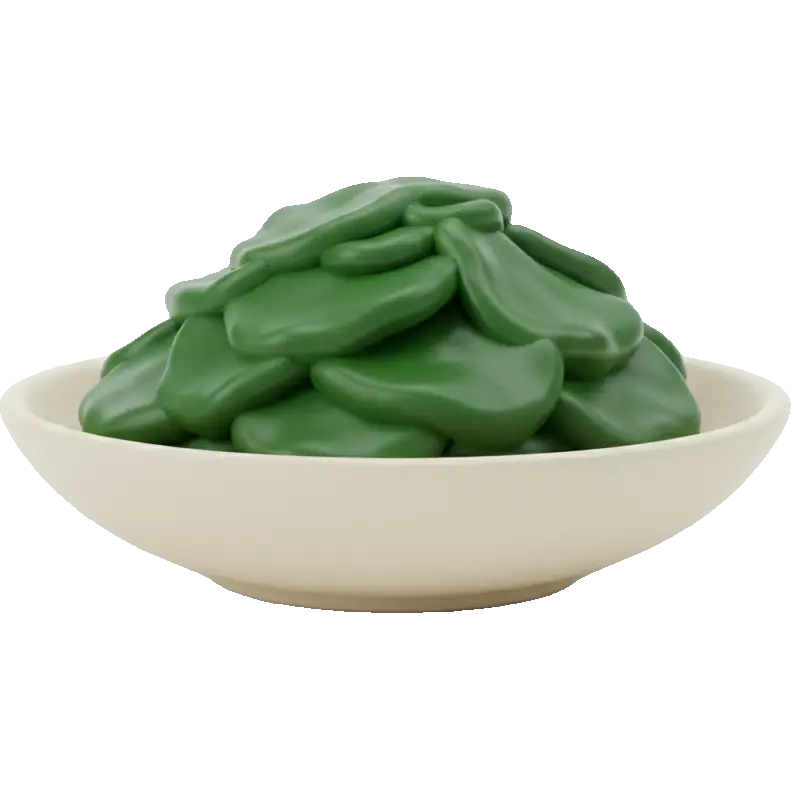
turnip greens
Vegetables
Is turnip greens inflammation-compatible?
See whether turnip greens fits an inflammation diet, with a clear compatible-or-avoid verdict plus its FODMAP, histamine and other trigger ratings in one place.
Related checkers
Compare turnip greens across criteria
Sensitivity notes
Why inflammation diet checker matters
An anti-inflammatory diet focuses on foods that help reduce chronic inflammation in the body. It emphasizes fruits, vegetables, fatty fish, nuts, and whole grains while limiting processed foods, refined sugars, and certain oils.
- Focus on omega-3 rich foods like fatty fish, walnuts, and flaxseed
- Colorful fruits and vegetables provide anti-inflammatory antioxidants
- Extra virgin olive oil is a cornerstone of anti-inflammatory eating
- Limit refined sugars, processed foods, and industrial seed oils
- Turmeric and ginger are powerful anti-inflammatory spices
Sensitivities
What turnip greens contains
FODMAPs
Histamine & Amines
Plant compounds
Irritants
Additives
Allergens
Diet fit
Where turnip greens fits
Therapeutic diets
Lifestyle diets
Religious diets
What to know about turnip greens
Turnip greens are the leafy top of Brassica rapa, the same plant as the turnip in your veg box, and they are worth grading separately because the two halves do not behave the same way. The leaf is where the oxalate lives, and where the vitamin K, the sulfur compounds and the slight bitterness live too. Our grades put turnip greens at moderate rather than high on oxalate, well below spinach and beet greens, alongside moderate marks for salicylate, histamine, tyramine, nickel and free glutamate. That pattern makes them a middle-of-the-road green: not one of the untouchables, not one of the free passes either, and a sensible one to portion test rather than eliminate.
Watch for
- Moderate oxalate, and this is the part of the plant that carries it.The root is not the same food, so a low oxalate plan that allows turnip does not automatically allow the tops
- Boiling and then discarding the cooking water pulls a share of the soluble oxalate out with it.Southern style greens are often cooked exactly this way, but only if you leave the pot likker behind
- Moderate on histamine and tyramine, so if you are strict about either, cook the greens and eat them the same day rather than keeping a pan of them going through the week
- Moderate salicylate and nickel, which is worth logging if you already react to other dark leafy greens or to wholegrains
- Very high in vitamin K.That is a nutritional plus for most people, but if you take a vitamin K sensitive anticoagulant, keep your intake steady rather than swinging between none and a large bunch, and raise it with your prescriber
- FODMAP content is unrated for the leaf in our data, so treat a large braise as untested rather than confirmed safe





Explore related in Vegetables
Compare similar foods to build a personalized list of swaps that work for your system.


Inflammation Guide
Everything you need to know about inflammation compatibility and smart food choices.
An anti-inflammatory diet focuses on foods that help reduce chronic inflammation in the body. It emphasizes fruits, vegetables, fatty fish, nuts, and whole grains while limiting processed foods, refined sugars, and certain oils.
These foods are typically compatible with a Inflammation approach:
View all safe options






Practical guidance for following a Inflammation diet:
- 1Focus on omega-3 rich foods like fatty fish, walnuts, and flaxseed
- 2Colorful fruits and vegetables provide anti-inflammatory antioxidants
- 3Extra virgin olive oil is a cornerstone of anti-inflammatory eating
- 4Limit refined sugars, processed foods, and industrial seed oils
- 5Turmeric and ginger are powerful anti-inflammatory spices
Pro tip: Keep a food diary to track your reactions. The Triggerbites app makes this easy with automatic pattern detection.
Want personalized tracking?
Download Triggerbites to log meals, track symptoms, and discover your unique triggers.
Get the AppFAQ
Does turnip greens fit an inflammation diet?
Inflammation: mixed fit - check ingredients.
What if I eat it occasionally?
Keep portions small and verify ingredients.
What are safer swaps?
Compare within the Vegetables group.