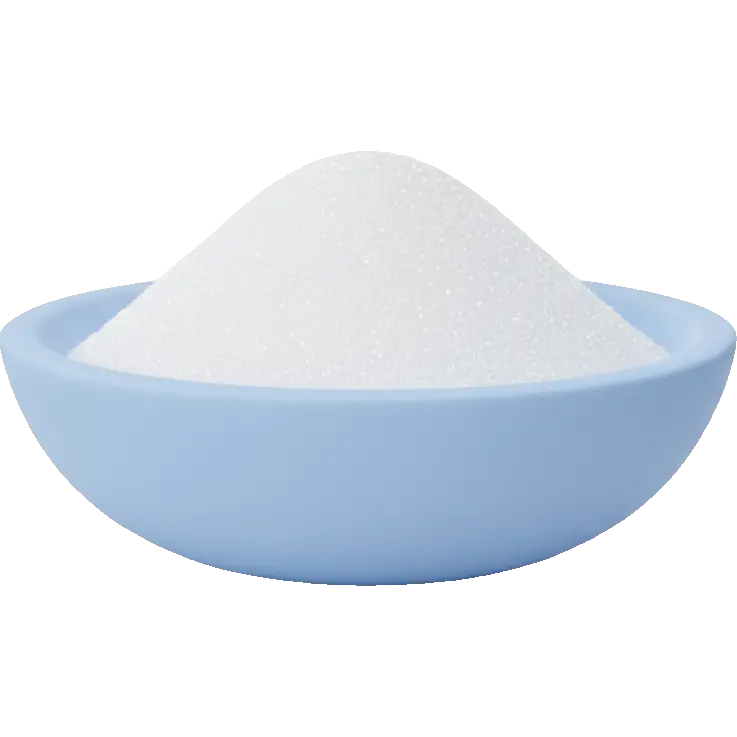
tartaric acid
Additives & Leavening
Is tartaric acid inflammation-compatible?
See whether tartaric acid fits an inflammation diet, with a clear compatible-or-avoid verdict plus its FODMAP, histamine and other trigger ratings in one place.
Related checkers
Compare tartaric acid across criteria
Sensitivity notes
Why inflammation diet checker matters
An anti-inflammatory diet focuses on foods that help reduce chronic inflammation in the body. It emphasizes fruits, vegetables, fatty fish, nuts, and whole grains while limiting processed foods, refined sugars, and certain oils.
- Focus on omega-3 rich foods like fatty fish, walnuts, and flaxseed
- Colorful fruits and vegetables provide anti-inflammatory antioxidants
- Extra virgin olive oil is a cornerstone of anti-inflammatory eating
- Limit refined sugars, processed foods, and industrial seed oils
- Turmeric and ginger are powerful anti-inflammatory spices
Sensitivities
What tartaric acid contains
FODMAPs
Histamine & Amines
Plant compounds
Irritants
Additives
Allergens
Diet fit
Where tartaric acid fits
Therapeutic diets
Lifestyle diets
Religious diets
What to know about tartaric acid
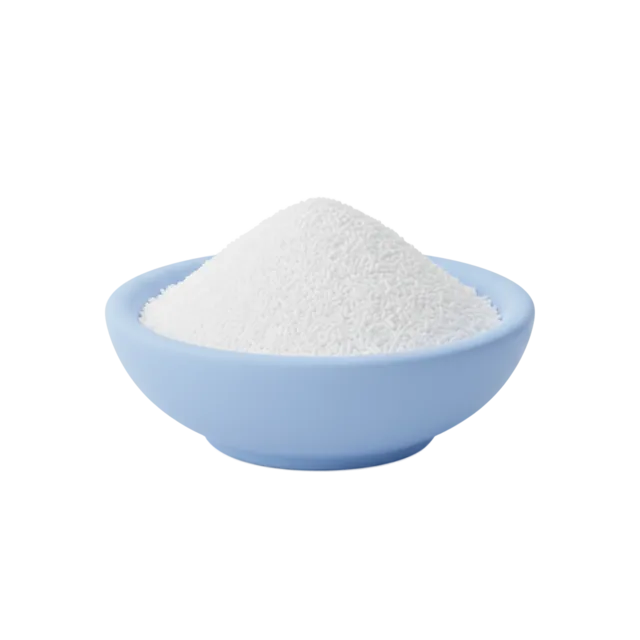
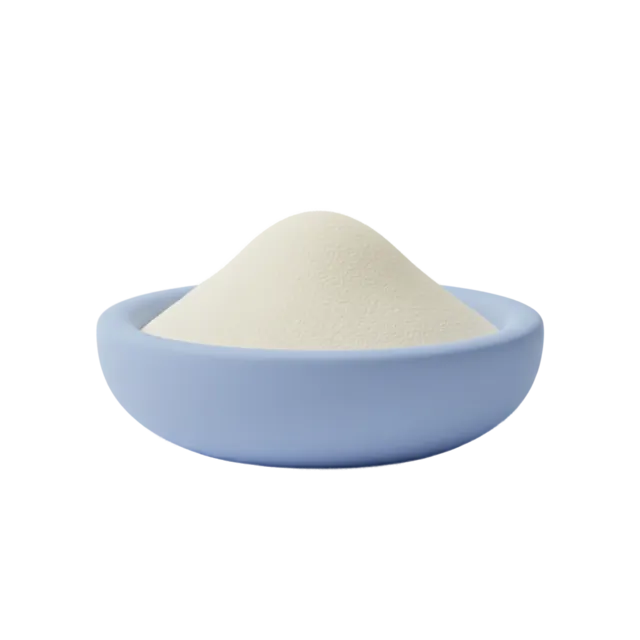
Tartaric acid (E334) is the grape acid, and unlike most acidulants it really is recovered from winemaking, from the crystalline deposit left behind in the barrel. It shows up in sherbet and fizzy sweets, jellies, some baking powders and in wine itself as an acidity correction. That wine connection is the reason people search for it, so the useful answer is up front: the things that make wine a trigger are histamine, tyramine and sulphites, and purified tartaric acid carries none of the three.
Watch for
- Being grape-derived does not make it a grape exposure.It is purified to a crystalline acid, so there is no grape protein, no skin polyphenol and none of the amines that build up during fermentation
- Tartrates are poorly absorbed, so gram-level doses draw water into the bowel and act as a mild laxative.That is a real effect of the sherbet-and-bicarbonate style of sweet, and it is dose driven rather than an intolerance
- Its potassium salt, cream of tartar, is a different substance with its own potassium load.Spoonful-sized folk use of cream of tartar has caused dangerously high blood potassium, which matters if your kidneys or your medication already hold potassium back
- Like any concentrated food acid it is hard on enamel when it sits on the teeth, which is the sherbet problem rather than the jelly problem




Explore related in Additives & Leavening
Compare similar foods to build a personalized list of swaps that work for your system.

Inflammation Guide
Everything you need to know about inflammation compatibility and smart food choices.
An anti-inflammatory diet focuses on foods that help reduce chronic inflammation in the body. It emphasizes fruits, vegetables, fatty fish, nuts, and whole grains while limiting processed foods, refined sugars, and certain oils.
These foods are typically compatible with a Inflammation approach:
View all safe options






Practical guidance for following a Inflammation diet:
- 1Focus on omega-3 rich foods like fatty fish, walnuts, and flaxseed
- 2Colorful fruits and vegetables provide anti-inflammatory antioxidants
- 3Extra virgin olive oil is a cornerstone of anti-inflammatory eating
- 4Limit refined sugars, processed foods, and industrial seed oils
- 5Turmeric and ginger are powerful anti-inflammatory spices
Pro tip: Keep a food diary to track your reactions. The Triggerbites app makes this easy with automatic pattern detection.
Want personalized tracking?
Download Triggerbites to log meals, track symptoms, and discover your unique triggers.
Get the AppFAQ
Does tartaric acid fit an inflammation diet?
Inflammation: mixed fit - check ingredients.
What if I eat it occasionally?
Keep portions small and verify ingredients.
What are safer swaps?
Compare within the Additives & Leavening group.