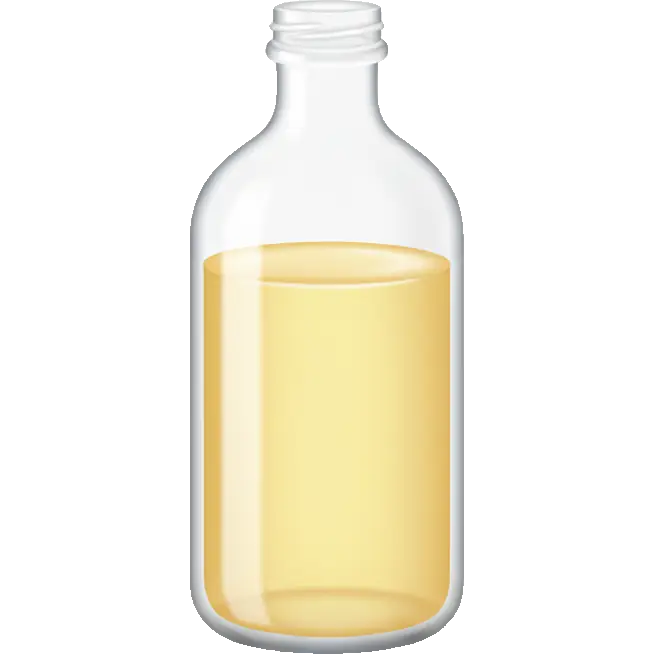
soybean oil
Oils & Fats
Is soybean oil inflammation-compatible?
See whether soybean oil fits an inflammation diet, with a clear compatible-or-avoid verdict plus its FODMAP, histamine and other trigger ratings in one place.
Related checkers
Compare soybean oil across criteria
Sensitivity notes
Why inflammation diet checker matters
An anti-inflammatory diet focuses on foods that help reduce chronic inflammation in the body. It emphasizes fruits, vegetables, fatty fish, nuts, and whole grains while limiting processed foods, refined sugars, and certain oils.
- Focus on omega-3 rich foods like fatty fish, walnuts, and flaxseed
- Colorful fruits and vegetables provide anti-inflammatory antioxidants
- Extra virgin olive oil is a cornerstone of anti-inflammatory eating
- Limit refined sugars, processed foods, and industrial seed oils
- Turmeric and ginger are powerful anti-inflammatory spices
Sensitivities
What soybean oil contains
FODMAPs
Histamine & Amines
Plant compounds
Irritants
Additives
Allergens
Diet fit
Where soybean oil fits
Therapeutic diets
Lifestyle diets
Religious diets
What to know about soybean oil
Soybean oil is the most-consumed edible oil in the US food supply and the default meaning of the words "vegetable oil" on an American label. That ubiquity, not any dramatic chemistry, is the real story. It is almost always highly refined, so the soy protein is stripped out and it is exempt from US allergen labelling, which is why most people with soy allergy tolerate it and why it can appear in a product without any soy warning. Where soybean oil does register on trigger tracking is quieter: borderline salicylate and oxalate grades, a borderline eosinophilic-oesophagitis rating reflecting soy position in elimination diets, and a moderately pro-inflammatory profile driven by a linoleic acid content of roughly fifty percent. It is clean on histamine, lactose, gluten, sulfites and FODMAPs.
Watch for
- Hidden by design: "vegetable oil" on a US label most often means soybean oil, and the highly refined form is exempt from soy allergen labelling, so a product can contain it with no soy callout at all
- Highly refined soybean oil has the soy protein removed and is generally tolerated in soy allergy, but cold-pressed or unrefined soybean oil is a different proposition and is rare enough that it is usually labelled as such
- Borderline on salicylates and oxalates, the two grades most worth logging if you are running a strict elimination and using it as your everyday cooking fat
- Roughly half linoleic acid, so it is the single biggest driver of omega-6 intake in a typical Western diet and carries a moderately pro-inflammatory grade
- Partially hydrogenated soybean oil was the main dietary source of industrial trans fat before the FDA withdrew GRAS status for PHOs in 2015.Modern bottles are not partially hydrogenated, but older packaged goods and imported products are worth checking
- Graded borderline for eosinophilic oesophagitis, reflecting soy being one of the foods removed in elimination protocols



Explore related in Oils & Fats
Compare similar foods to build a personalized list of swaps that work for your system.



Inflammation Guide
Everything you need to know about inflammation compatibility and smart food choices.
An anti-inflammatory diet focuses on foods that help reduce chronic inflammation in the body. It emphasizes fruits, vegetables, fatty fish, nuts, and whole grains while limiting processed foods, refined sugars, and certain oils.
These foods are typically compatible with a Inflammation approach:
View all safe options






Practical guidance for following a Inflammation diet:
- 1Focus on omega-3 rich foods like fatty fish, walnuts, and flaxseed
- 2Colorful fruits and vegetables provide anti-inflammatory antioxidants
- 3Extra virgin olive oil is a cornerstone of anti-inflammatory eating
- 4Limit refined sugars, processed foods, and industrial seed oils
- 5Turmeric and ginger are powerful anti-inflammatory spices
Pro tip: Keep a food diary to track your reactions. The Triggerbites app makes this easy with automatic pattern detection.
Want personalized tracking?
Download Triggerbites to log meals, track symptoms, and discover your unique triggers.
Get the AppFAQ
Does soybean oil fit an inflammation diet?
Inflammation: mixed fit - check ingredients.
What if I eat it occasionally?
Keep portions small and verify ingredients.
What are safer swaps?
Compare within the Oils & Fats group.