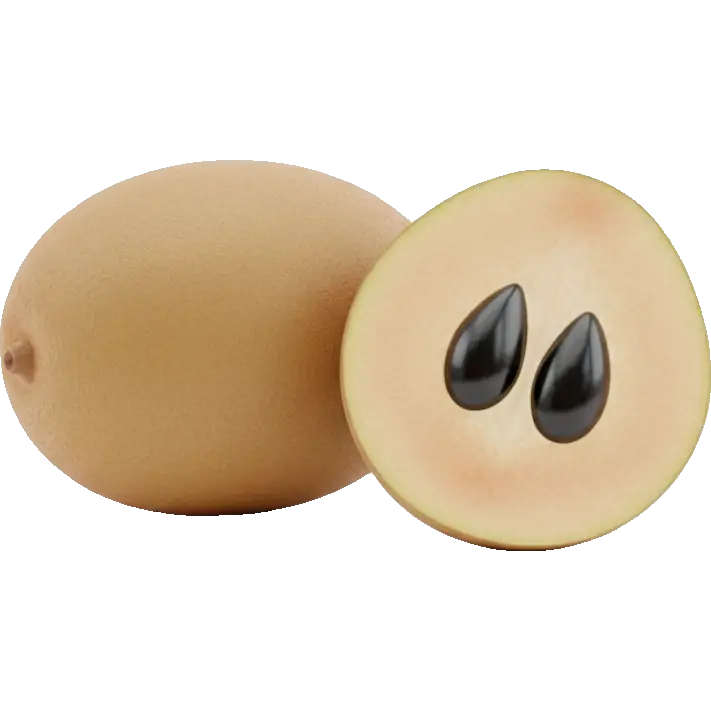
sapodilla
Fruit
Is sapodilla inflammation-compatible?
See whether sapodilla fits an inflammation diet, with a clear compatible-or-avoid verdict plus its FODMAP, histamine and other trigger ratings in one place.
Related checkers
Compare sapodilla across criteria
Sensitivity notes
Why inflammation diet checker matters
An anti-inflammatory diet focuses on foods that help reduce chronic inflammation in the body. It emphasizes fruits, vegetables, fatty fish, nuts, and whole grains while limiting processed foods, refined sugars, and certain oils.
- Focus on omega-3 rich foods like fatty fish, walnuts, and flaxseed
- Colorful fruits and vegetables provide anti-inflammatory antioxidants
- Extra virgin olive oil is a cornerstone of anti-inflammatory eating
- Limit refined sugars, processed foods, and industrial seed oils
- Turmeric and ginger are powerful anti-inflammatory spices
Sensitivities
What sapodilla contains
FODMAPs
Histamine & Amines
Plant compounds
Irritants
Additives
Allergens
Diet fit
Where sapodilla fits
Therapeutic diets
Lifestyle diets
Religious diets
What to know about sapodilla
Sapodilla is the brown, rough skinned tropical fruit whose ripe flesh tastes startlingly like brown sugar or malt, which is why it is sometimes sold as the pear that tastes of caramel. The tree is also the original source of chicle, the latex once used to make chewing gum, and that latex is the key to the fruit as well: an underripe sapodilla is full of it, along with heavy tannins, and eating one is an unpleasant and genuinely astringent experience rather than merely a disappointing one.
Watch for
- Ripeness is not optional here.Unripe sapodilla is loaded with latex and tannins, tastes fiercely astringent and can upset the stomach. A ripe one yields to gentle pressure like a ripe avocado and the skin scratches to reveal brown, not green, flesh underneath.
- The tree produces chicle latex, and latex fruit cross reactivity is a recognised syndrome.People with latex allergy who react to banana, avocado, kiwi or chestnut should introduce sapodilla cautiously.
- Every FODMAP column is unrated rather than clean.The ripe fruit is notably sweet, so an untested column here is a genuine gap rather than a formality.
- Graded moderate on salicylate and SIBO fermentation, with mild marks for oxalate, nickel, glutamate and histamine liberation.
- The seeds have a small hook at one end and should not be swallowed.They are easy to spot and easy to remove.








Explore related in Fruit
Compare similar foods to build a personalized list of swaps that work for your system.



Inflammation Guide
Everything you need to know about inflammation compatibility and smart food choices.
An anti-inflammatory diet focuses on foods that help reduce chronic inflammation in the body. It emphasizes fruits, vegetables, fatty fish, nuts, and whole grains while limiting processed foods, refined sugars, and certain oils.
These foods are typically compatible with a Inflammation approach:
View all safe options





Practical guidance for following a Inflammation diet:
- 1Focus on omega-3 rich foods like fatty fish, walnuts, and flaxseed
- 2Colorful fruits and vegetables provide anti-inflammatory antioxidants
- 3Extra virgin olive oil is a cornerstone of anti-inflammatory eating
- 4Limit refined sugars, processed foods, and industrial seed oils
- 5Turmeric and ginger are powerful anti-inflammatory spices
Pro tip: Keep a food diary to track your reactions. The Triggerbites app makes this easy with automatic pattern detection.
Want personalized tracking?
Download Triggerbites to log meals, track symptoms, and discover your unique triggers.
Get the AppFAQ
Does sapodilla fit an inflammation diet?
Inflammation: fits well for most plans.
What if I eat it occasionally?
Still check preparation and add-ins.
What are safer swaps?
Compare within the Fruit group.