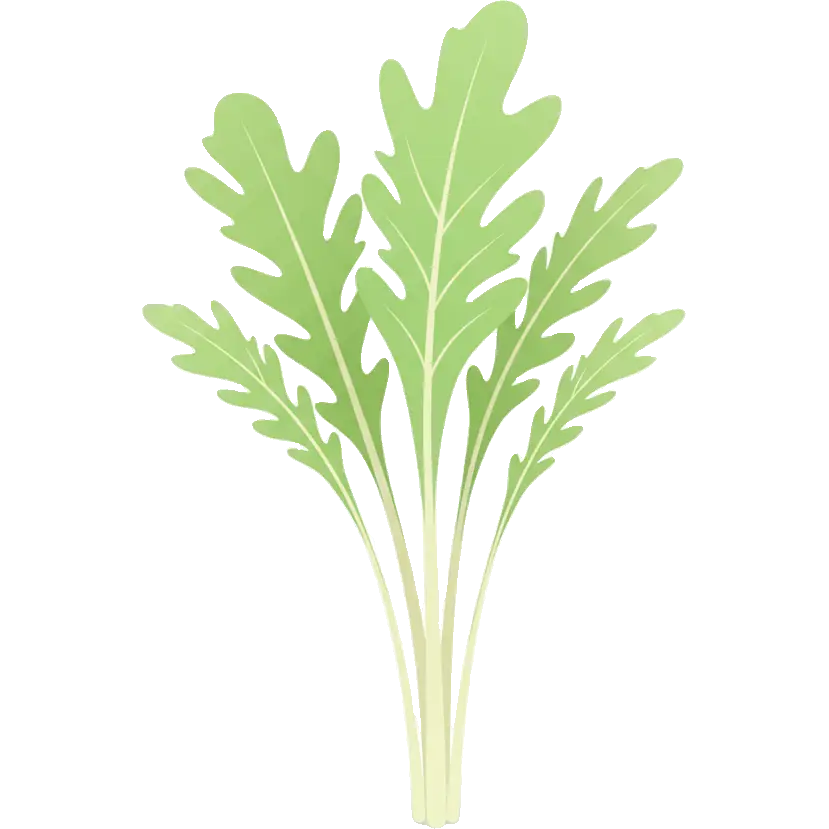
mizuna
Vegetables
Is mizuna inflammation-compatible?
See whether mizuna fits an inflammation diet, with a clear compatible-or-avoid verdict plus its FODMAP, histamine and other trigger ratings in one place.
Related checkers
Compare mizuna across criteria
Sensitivity notes
Why inflammation diet checker matters
An anti-inflammatory diet focuses on foods that help reduce chronic inflammation in the body. It emphasizes fruits, vegetables, fatty fish, nuts, and whole grains while limiting processed foods, refined sugars, and certain oils.
- Focus on omega-3 rich foods like fatty fish, walnuts, and flaxseed
- Colorful fruits and vegetables provide anti-inflammatory antioxidants
- Extra virgin olive oil is a cornerstone of anti-inflammatory eating
- Limit refined sugars, processed foods, and industrial seed oils
- Turmeric and ginger are powerful anti-inflammatory spices
Sensitivities
What mizuna contains
FODMAPs
Histamine & Amines
Plant compounds
Irritants
Additives
Allergens
Diet fit
Where mizuna fits
Therapeutic diets
Lifestyle diets
Religious diets
What to know about mizuna
Mizuna is the feathery, faintly peppery Japanese green that makes up a large share of the average bag of mixed salad leaves. It is one of the cleanest rows in this whole database: graded low FODMAP outright, with every FODMAP subgroup, oxalate, histamine, tyramine, nickel, sulfite, nitrite, gluten, lactose and glutamate all clean. The single grade that is not top marks is a borderline on salicylates, and histamine liberation is unrated rather than flagged. If you are working through an elimination diet and you want a leaf you can build a salad on without arithmetic, this is a strong candidate.
Watch for
- Borderline on salicylates, and that is the only trigger grade above clean on the page.It is a mild peppery leaf rather than a bland one, and pepperiness tracks salicylate loosely, so on a strict salicylate elimination it goes in the middle tier rather than the free tier.
- Histamine liberation is unrated, not cleared.Histamine content itself is graded clean, so mizuna is not an amine source, but if you react to a salad you have not eliminated the leaf as a liberator by pointing at that grade.
- What you dress it with usually outranks the leaf.Mizuna is almost always eaten under a vinaigrette, a sesame dressing or with cheese, cured meat and pickles, all of which carry far heavier trigger loads. Log the salad, not the green.
- It is a brassica, so raw daily bulk brings the usual thyroid question.Cooking mizuna cuts its glucosinolate load, and normal salad amounts are not the scenario the goitrogen literature is concerned with.






Explore related in Vegetables
Compare similar foods to build a personalized list of swaps that work for your system.


Inflammation Guide
Everything you need to know about inflammation compatibility and smart food choices.
An anti-inflammatory diet focuses on foods that help reduce chronic inflammation in the body. It emphasizes fruits, vegetables, fatty fish, nuts, and whole grains while limiting processed foods, refined sugars, and certain oils.
These foods are typically compatible with a Inflammation approach:
View all safe options





Practical guidance for following a Inflammation diet:
- 1Focus on omega-3 rich foods like fatty fish, walnuts, and flaxseed
- 2Colorful fruits and vegetables provide anti-inflammatory antioxidants
- 3Extra virgin olive oil is a cornerstone of anti-inflammatory eating
- 4Limit refined sugars, processed foods, and industrial seed oils
- 5Turmeric and ginger are powerful anti-inflammatory spices
Pro tip: Keep a food diary to track your reactions. The Triggerbites app makes this easy with automatic pattern detection.
Want personalized tracking?
Download Triggerbites to log meals, track symptoms, and discover your unique triggers.
Get the AppFAQ
Does mizuna fit an inflammation diet?
Inflammation: fits well for most plans.
What if I eat it occasionally?
Still check preparation and add-ins.
What are safer swaps?
Compare within the Vegetables group.