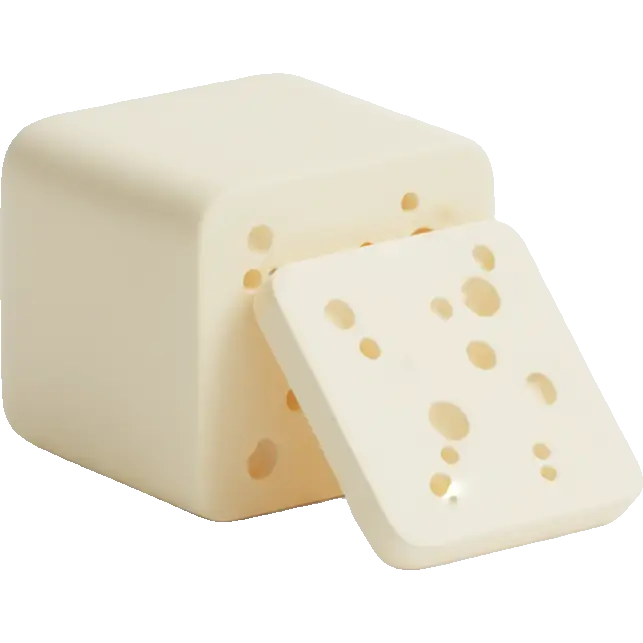
havarti
Dairy & Alternatives
Is havarti inflammation-compatible?
See whether havarti fits an inflammation diet, with a clear compatible-or-avoid verdict plus its FODMAP, histamine and other trigger ratings in one place.
Related checkers
Compare havarti across criteria
Sensitivity notes
Why inflammation diet checker matters
An anti-inflammatory diet focuses on foods that help reduce chronic inflammation in the body. It emphasizes fruits, vegetables, fatty fish, nuts, and whole grains while limiting processed foods, refined sugars, and certain oils.
- Focus on omega-3 rich foods like fatty fish, walnuts, and flaxseed
- Colorful fruits and vegetables provide anti-inflammatory antioxidants
- Extra virgin olive oil is a cornerstone of anti-inflammatory eating
- Limit refined sugars, processed foods, and industrial seed oils
- Turmeric and ginger are powerful anti-inflammatory spices
Sensitivities
What havarti contains
FODMAPs
Histamine & Amines
Plant compounds
Irritants
Additives
Allergens
Diet fit
Where havarti fits
Therapeutic diets
Lifestyle diets
Religious diets
What to know about havarti
Havarti is a buttery, supple Danish cheese, mild and creamy when young but sharper and firmer as it ages. That aging is what matters for triggers: young havarti is fairly gentle, but the longer it matures the more histamine and tyramine it builds, which lands it at a moderate level overall. It stays high in dairy protein at any age and moderate in lactose. So a slice of young, creamy havarti may sit easier than aged cheddar, while a well-aged, sharp havarti behaves much more like a classic amine trigger.
Watch for
- Moderate in histamine and tyramine, and both climb the longer it is aged, so a sharp mature havarti is riskier than a young, mild one
- High in dairy protein (casein and whey), which makes it unsuitable for a dairy-free diet at any age
- Also acts as a histamine liberator, which can add flushing or headaches on top of the amines it already contains






Explore related in Dairy & Alternatives
Compare similar foods to build a personalized list of swaps that work for your system.

Inflammation Guide
Everything you need to know about inflammation compatibility and smart food choices.
An anti-inflammatory diet focuses on foods that help reduce chronic inflammation in the body. It emphasizes fruits, vegetables, fatty fish, nuts, and whole grains while limiting processed foods, refined sugars, and certain oils.
These foods are typically compatible with a Inflammation approach:
View all safe options






Practical guidance for following a Inflammation diet:
- 1Focus on omega-3 rich foods like fatty fish, walnuts, and flaxseed
- 2Colorful fruits and vegetables provide anti-inflammatory antioxidants
- 3Extra virgin olive oil is a cornerstone of anti-inflammatory eating
- 4Limit refined sugars, processed foods, and industrial seed oils
- 5Turmeric and ginger are powerful anti-inflammatory spices
Pro tip: Keep a food diary to track your reactions. The Triggerbites app makes this easy with automatic pattern detection.
Want personalized tracking?
Download Triggerbites to log meals, track symptoms, and discover your unique triggers.
Get the AppFAQ
Does havarti fit an inflammation diet?
Inflammation: mixed fit - check ingredients.
What if I eat it occasionally?
Keep portions small and verify ingredients.
What are safer swaps?
Compare within the Dairy & Alternatives group.