alfalfa
Vegetables
Is alfalfa inflammation-compatible?
See whether alfalfa fits an inflammation diet, with a clear compatible-or-avoid verdict plus its FODMAP, histamine and other trigger ratings in one place.
Related checkers
Compare alfalfa across criteria
Sensitivity notes
Why inflammation diet checker matters
An anti-inflammatory diet focuses on foods that help reduce chronic inflammation in the body. It emphasizes fruits, vegetables, fatty fish, nuts, and whole grains while limiting processed foods, refined sugars, and certain oils.
- Focus on omega-3 rich foods like fatty fish, walnuts, and flaxseed
- Colorful fruits and vegetables provide anti-inflammatory antioxidants
- Extra virgin olive oil is a cornerstone of anti-inflammatory eating
- Limit refined sugars, processed foods, and industrial seed oils
- Turmeric and ginger are powerful anti-inflammatory spices
Sensitivities
What alfalfa contains
FODMAPs
Histamine & Amines
Plant compounds
Irritants
Additives
Allergens
Diet fit
Where alfalfa fits
Therapeutic diets
Lifestyle diets
Religious diets
What to know about alfalfa
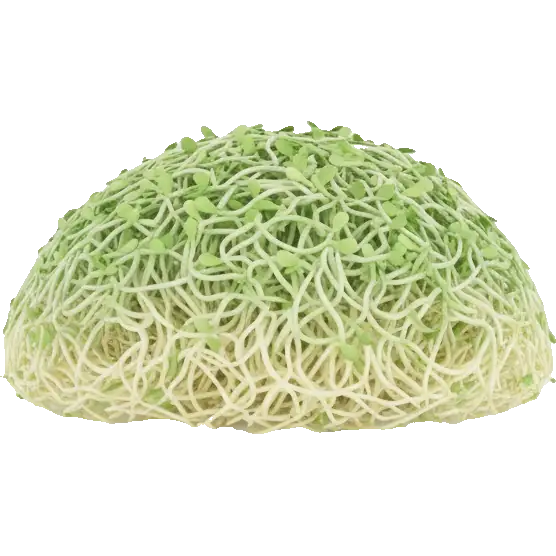
Most people meet alfalfa as the fine, thready sprouts on a sandwich, and it looks like the most harmless thing on the plate. Chemically it is nearly clean in our data: graded A on histamine liberation, oxalate, nickel, gluten, lactose, sulfites, free glutamates and nightshade chemistry, and only B on total FODMAPs. The one flagged trigger is salicylate, graded D, which puts alfalfa on the high side for anyone reacting to salicylates from aspirin sensitivity or an RPAH-style elimination diet. Two further concerns sit outside the trigger grades entirely and are worth knowing before you keep buying it: raw sprouts are a repeated source of Salmonella and E. coli outbreaks, and alfalfa contains L-canavanine, an amino acid linked in case reports and primate studies to lupus flares.
Watch for
- Salicylate graded D, the only flagged trigger in our data for alfalfa.If salicylates are your issue, alfalfa sprouts are not the neutral sandwich filler they look like, and lettuce (graded A) or cucumber (graded C) are lower
- Raw sprouts are a documented food safety risk, not a fringe worry.The warm humid conditions that germinate the seed also suit Salmonella and E. coli, bacteria can be present inside the seed where rinsing cannot reach them, and alfalfa sprouts have been implicated in repeated outbreaks. The FDA advises children, older adults, pregnant people and anyone immunocompromised to avoid raw sprouts and to eat them cooked instead
- Alfalfa contains L-canavanine, a non-protein amino acid concentrated in the seeds and sprouts.It has been linked to a lupus-like syndrome in primate studies and to reactivation of quiescent lupus in human case reports, which is why people with lupus or other autoimmune conditions are frequently advised to avoid alfalfa and alfalfa supplements. The evidence is case-report level rather than settled, so treat it as a documented concern worth discussing with your rheumatologist rather than a proven rule
- Alfalfa tablets and powders are a much larger exposure than a pinch of sprouts, since they concentrate leaf and seed material.If you are avoiding alfalfa for either of the reasons above, check your supplement stack as well as your salad
- Histamine content is unrated in our data, so we cannot tell you either way.Histamine liberation is graded A, which at least means alfalfa is not expected to trigger release of your own histamine






Explore related in Vegetables
Compare similar foods to build a personalized list of swaps that work for your system.

Inflammation Guide
Everything you need to know about inflammation compatibility and smart food choices.
An anti-inflammatory diet focuses on foods that help reduce chronic inflammation in the body. It emphasizes fruits, vegetables, fatty fish, nuts, and whole grains while limiting processed foods, refined sugars, and certain oils.
These foods are typically compatible with a Inflammation approach:
View all safe options






Practical guidance for following a Inflammation diet:
- 1Focus on omega-3 rich foods like fatty fish, walnuts, and flaxseed
- 2Colorful fruits and vegetables provide anti-inflammatory antioxidants
- 3Extra virgin olive oil is a cornerstone of anti-inflammatory eating
- 4Limit refined sugars, processed foods, and industrial seed oils
- 5Turmeric and ginger are powerful anti-inflammatory spices
Pro tip: Keep a food diary to track your reactions. The Triggerbites app makes this easy with automatic pattern detection.
Want personalized tracking?
Download Triggerbites to log meals, track symptoms, and discover your unique triggers.
Get the AppFAQ
Does alfalfa fit an inflammation diet?
Inflammation: fits well for most plans.
What if I eat it occasionally?
Still check preparation and add-ins.
What are safer swaps?
Compare within the Vegetables group.